CM Sai Shares President Murmu's Words on Chhattisgarh's Naxal Fight
Synopsis
Chief Minister Vishnu Deo Sai shared President Draupadi Murmu's statement crediting central and state government efforts for bringing Chhattisgarh's youth out of Naxalism and into the mainstream, framing the shift as both a security and development achievement.
Key Takeaways
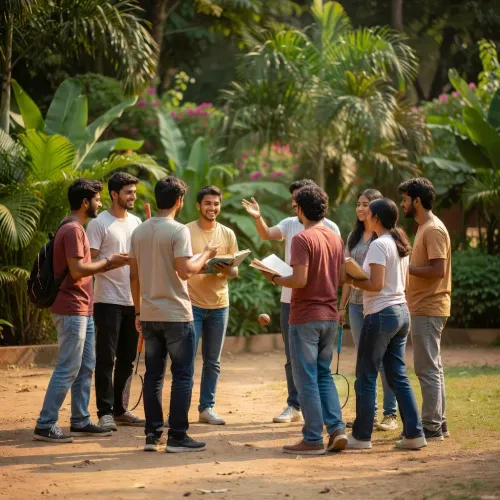
President Draupadi Murmu stated that Chhattisgarh's youth are leaving Naxalism behind through state and central government support combined with personal willpower.
CM Vishnu Deo Sai amplified the President's remarks on 22 October 2026 , linking them to ongoing anti-Naxal governance efforts.
India's National Policy and Action Plan on Left Wing Extremism (2015) pairs security operations with development programmes in affected districts.
Chhattisgarh's surrender and rehabilitation schemes offer Naxal cadres structured reintegration including stipends and skills training.
Districts like Bastar and Dantewada have seen a measurable decline in Naxal incidents over the past decade under this dual-track approach.
President Murmu's tribal origins add particular weight to her remarks on communities most affected by the insurgency.
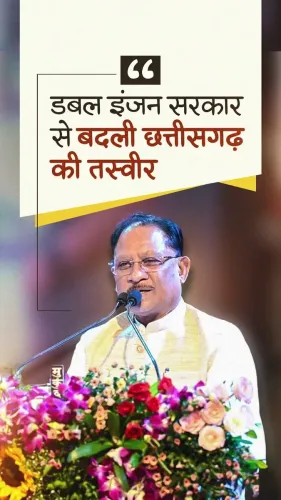
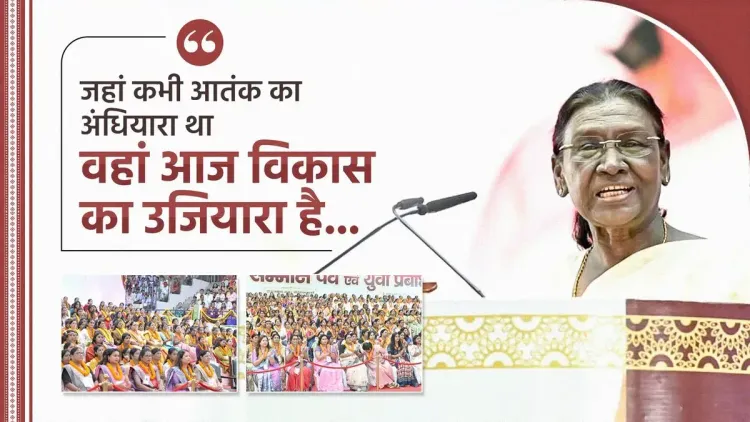
Where terror once cast its shadow, development now lights the way — that is how President Draupadi Murmu has described the transformation unfolding in Chhattisgarh, and Chief Minister Vishnu Deo Sai amplified her words on Thursday, 22 October 2026, sharing them as a testament to what coordinated governance can achieve against Left Wing Extremism.
The quote CM Sai posted from President Murmu reads: 'केंद्र और राज्य सरकार के प्रयासों से और अपनी इच्छाशक्ति के बल पर आज छत्तीसगढ़ का युवा नक्सलवाद के भटकाव से मुक्त होकर मुख्यधारा में शामिल हो रहा है।' — 'Through the efforts of the central and state governments, and on the strength of their own willpower, the youth of Chhattisgarh today are freeing themselves from the misguided path of Naxalism and joining the mainstream. Where once there was the darkness of terror, today there is the light of development.'
Decades of Dual-Track Strategy in Bastar and Dantewada
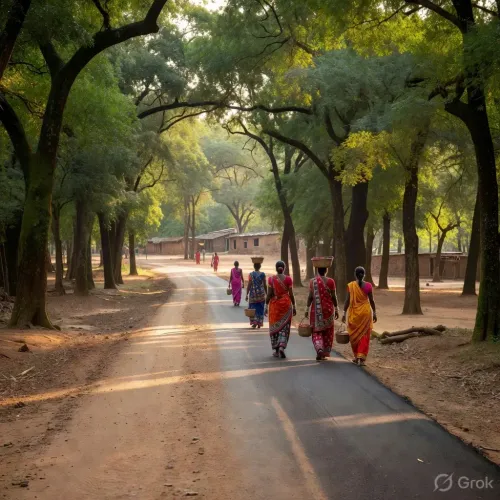
The shift President Murmu describes did not happen overnight. For decades, districts like Bastar and Dantewada in southern Chhattisgarh were synonymous with Maoist insurgency — ambushes, road blockades, and the slow strangulation of basic services. The central government's National Policy and Action Plan on Left Wing Extremism (2015) formalised a two-pronged approach: sustained security operations alongside schools, roads, mobile connectivity, and banking access in conflict zones.
Chhattisgarh's own surrender and rehabilitation schemes have run in parallel, offering Naxal cadres a structured exit — stipends, skills training, and social reintegration. Successive state governments expanded these programmes, and the state has recorded a measurable decline in Naxal incidents over the past decade. What the President's words capture is the human dimension of that statistics-level shift: a generation of young tribal men and women choosing the mainstream over the forest.
Why the President's Voice Carries Weight Here
Draupadi Murmu, who became President of India in 2022, is herself of tribal origin — a fact that lends particular resonance to her remarks on communities most ravaged by the insurgency. The Adivasi villages of Chhattisgarh's Red Corridor were never abstractions to her; they are constituencies of lived experience. When the constitutional head of state speaks of 'willpower' as the engine of this change, she is addressing the agency of the very communities that bore the heaviest cost.
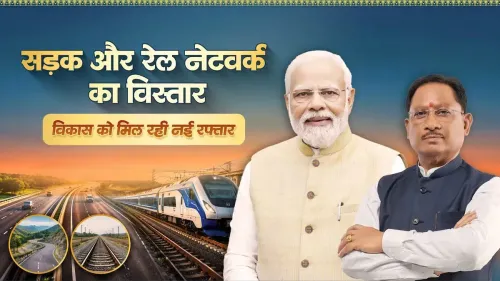
For CM Sai — a BJP leader who assumed office in 2023 — amplifying the President's framing serves to underline the continuity between New Delhi's security-plus-development doctrine and the state's on-ground implementation. The message is clear: Chhattisgarh's anti-Naxal story is not just a police story. It is a governance story.
The Road from 'Andhere' to 'Ujiyara'
President Murmu's original Hindi phrasing — 'aatank ka andhiyara' (the darkness of terror) giving way to 'vikas ka ujiyara' (the light of development) — is more than rhetorical flourish. It maps directly onto the policy architecture: connectivity projects cutting through what were once Naxal supply corridors, health camps in villages that once had neither roads nor clinics, and young people enrolling in vocational programmes rather than being recruited at gunpoint.
The work is far from finished. Rehabilitation packages must be sustained, infrastructure promises must be kept, and security gains must be converted into permanent economic stakes for tribal youth. But the direction, as both the President and the Chief Minister signal, is set.
Point of View
Amplified by CM Sai, reflects the ruling establishment's effort to frame the declining Naxal footprint as a governance dividend rather than purely a security achievement — a narrative shift that matters as elections and tribal welfare programmes remain live political issues in Chhattisgarh. The invocation of youth 'willpower' alongside institutional effort is a deliberate signal that the state sees former insurgents as citizens to be reclaimed, not merely adversaries to be defeated. For CM Sai, whose tenure began in 2023, projecting visible presidential endorsement of Chhattisgarh's trajectory strengthens the BJP's claim that its model of paired security and development is delivering results. The broader test, however, remains whether rehabilitation infrastructure keeps pace with security gains in the most remote tribal pockets.
NationPress
23 Oct 2026
Frequently Asked Questions
What did President Draupadi Murmu say about Chhattisgarh and Naxalism?
President Murmu stated that through central and state government efforts, and on the strength of their own willpower, Chhattisgarh's youth are leaving Naxalism behind and joining the mainstream — describing the shift as replacing the darkness of terror with the light of development.
What is Chhattisgarh's surrender and rehabilitation scheme for Naxals?
Chhattisgarh runs surrender and rehabilitation programmes that offer Naxal cadres a structured exit from insurgency, including financial stipends, vocational skills training, and support for social reintegration into mainstream communities.
What is India's national policy on Left Wing Extremism?
India's National Policy and Action Plan to address Left Wing Extremism, formalised in 2015, combines security operations with development programmes — covering roads, schools, healthcare, and banking access — in affected states including Chhattisgarh.
Which districts in Chhattisgarh were most affected by Naxal activity?
Districts such as Bastar and Dantewada in southern Chhattisgarh have historically recorded the highest levels of Naxal activity and have been the primary focus of both security operations and state rehabilitation efforts.
Who is Vishnu Deo Sai and what is his role in Chhattisgarh's anti-Naxal efforts?
Vishnu Deo Sai is the Chief Minister of Chhattisgarh and a BJP leader who took office in 2023. He has overseen the state's security and development policies, including ongoing rehabilitation schemes targeting former Naxal cadres.