CM Sai Invites the World to Chhattisgarh on Tourism Day
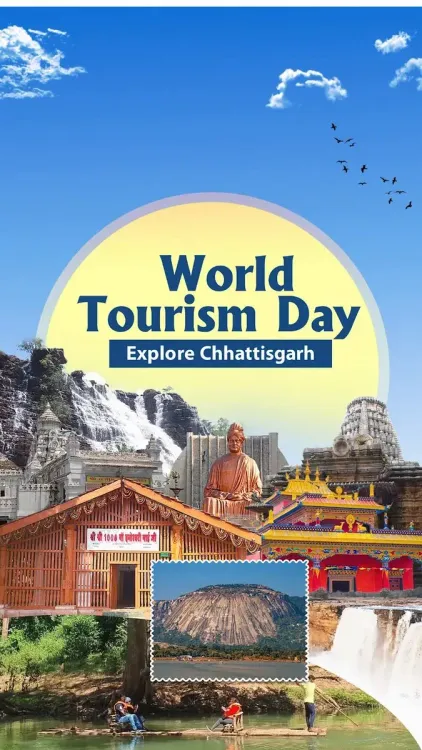
Synopsis
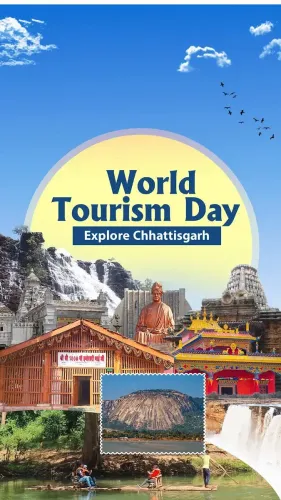
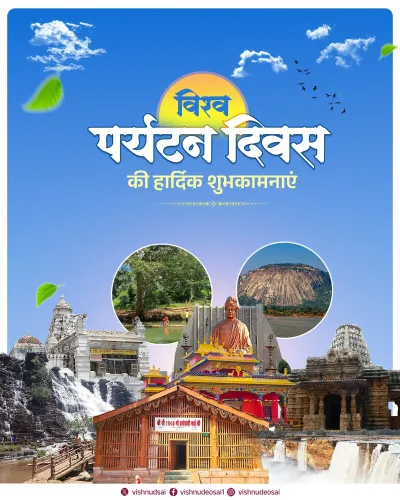
On World Tourism Day, 27 September 2026, Chhattisgarh CM Vishnu Deo Sai invited travellers to explore the state's landscapes, tribal traditions and heritage, invoking the Indian hospitality ethos of 'Atithi Devo Bhavah' in a message posted on X.
Key Takeaways
World Tourism Day falls on 27 September annually; CM Sai used the occasion to promote Chhattisgarh on X.
Sai highlighted four pillars: breathtaking landscapes, vibrant tribal traditions, timeless heritage, and the warmth of local people.
The post invoked Atithi Devo Bhavah — a national tourism philosophy meaning 'the guest is god' — to anchor Chhattisgarh's hospitality identity.
Chhattisgarh has developed eco-tourism and tribal heritage circuits over the past decade to attract visitors beyond established circuits.
Key attractions include the Bastar tribal belt, Chitrakoot Falls , ancient temple clusters, and living Gondi cultural traditions.
Every once in a while, a destination quietly rewrites what travel can mean — and Chhattisgarh Chief Minister Vishnu Deo Sai is making a pointed case that his state is exactly that kind of place. On World Tourism Day, 27 September 2026, Sai took to X to extend a warm invitation to travellers, framing Chhattisgarh not as an undiscovered corner of India, but as a full-spectrum experience waiting to be claimed.
In his post, Sai wrote: 'Some journeys take you to new places, while some become memories for a lifetime... Chhattisgarh is a land where every journey brings a new discovery — breathtaking landscapes, vibrant tribal traditions, timeless heritage and the heartfelt warmth of its people.' He closed with a call rooted in the ancient Indian philosophy of hospitality: Atithi Devo Bhavah — the guest is god.
A State Selling Its Soul, Not Just Its Scenery
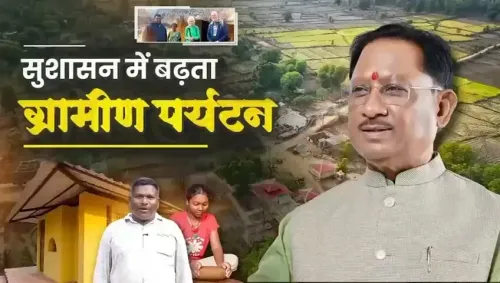
Chhattisgarh, carved out as a separate state in 2000, sits at the heart of central India with one of the country's most striking concentrations of tribal communities, dense forest cover, and ancient temple circuits. Its tourism pitch leans hard on what mass-circuit destinations cannot offer: authenticity. The dense Bastar forests, the roaring Chitrakoot Falls — often called India's own Niagara — and living Gondi and Halbi tribal traditions form the backbone of a visitor experience that feels genuinely distinct.
State tourism policy through the 2010s and into this decade has deliberately cultivated eco-tourism corridors and tribal heritage circuits, seeking to route visitor footfall away from overcrowded northern and southern hubs and into Chhattisgarh's interior.
Why World Tourism Day Messaging Carries Real Weight
World Tourism Day, observed globally every 27 September, is precisely the kind of platform Indian states compete on — a single-day window when tourism boards, chief ministers, and cultural ministries all jostle to plant a destination image in the national and global conversation. For a state like Chhattisgarh, which does not command the automatic brand recognition of Rajasthan or Kerala, landing a clear, evocative message on this day is strategic, not ceremonial.
Sai's invocation of Atithi Devo Bhavah — a slogan long embedded in national tourism campaigns — signals alignment with India's broader push to position its interior regions as world-class cultural destinations, not just transit points. The philosophy elevates hospitality from service to identity. That is a meaningful distinction for tribal communities whose way of life is itself the attraction.
What Travellers and the Sector Will Be Watching Next
The real test of Tourism Day rhetoric is what follows it: new circuit announcements, infrastructure investments, connectivity upgrades, or visitor-season targets. Chhattisgarh's tribal heartlands, while compelling, remain logistically challenging for first-time travellers. Any state-backed move to ease access — roads, homestay networks, guided tribal immersion programmes — would translate this invitation from aspiration into itinerary.
For now, CM Sai has set the tone: Chhattisgarh is open, proud, and ready to be discovered on its own terms.
Point of View
The state is positioning itself as experiential rather than transactional — a harder sell, but a more durable one. For the BJP government in Raipur, visible tourism promotion also serves a political dividend: linking development with cultural pride in a state where tribal identity is both an electoral and governance reality. The next meaningful signal will be whether this messaging is backed by concrete infrastructure and connectivity announcements in the upcoming travel season.
NationPress
27 Sept 2026
Frequently Asked Questions
When is World Tourism Day celebrated?
World Tourism Day is observed every year on 27 September to highlight the economic, social and cultural importance of tourism globally.
What is 'Atithi Devo Bhavah'?
' Atithi Devo Bhavah ' is a Sanskrit phrase meaning 'the guest is equivalent to god.' It is a long-running Indian hospitality campaign and cultural philosophy used to promote welcoming attitudes towards tourists.
What are the main tourist attractions in Chhattisgarh?
Chhattisgarh is known for the Bastar tribal belt, Chitrakoot Falls , ancient Shaivite temple circuits, dense forest eco-tourism zones, and living Gondi and Halbi tribal cultural traditions.
Who is Vishnu Deo Sai?
Vishnu Deo Sai is the Chief Minister of Chhattisgarh and a senior BJP leader, heading the state government in Raipur.
What is Chhattisgarh's tourism strategy?
Chhattisgarh has focused on developing eco-tourism corridors and tribal heritage circuits since the 2010s, aiming to attract visitors seeking authentic cultural and natural experiences beyond mainstream tourist circuits.