CM Sai Ties Chhattisgarh Tourism to Local Jobs on World Tourism Day
Synopsis
On World Tourism Day 2026, Chhattisgarh's CMO highlighted CM Vishnu Deo Sai's initiative to harness the state's natural and cultural heritage for local employment, entrepreneurship, and handicraft sales through tourism infrastructure development.
Key Takeaways
World Tourism Day (27 September 2026) was used by the Chhattisgarh CMO to articulate the state's tourism-as-economy strategy.
CM Vishnu Deo Sai (in office since December 2023) is positioning tourism development as a pillar of the 'Viksit Chhattisgarh' growth vision.
The government's focus is on improving facilities at tourist destinations to boost footfall and local spending.
Key beneficiaries identified: local product sellers, handicraft artisans (including Bastar and Dhokra craft traditions), and service sector workers.
Chhattisgarh's tourism push aligns with the national Swadesh Darshan scheme (launched 2014-15), which funds theme-based tourist circuits across states.
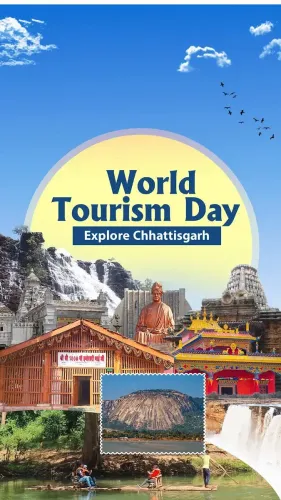
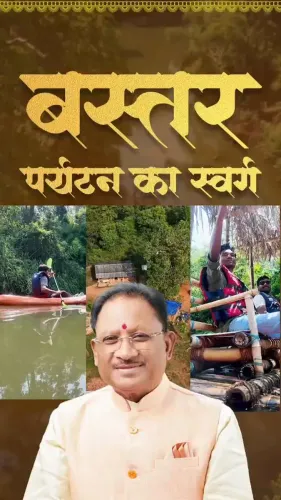
The state's natural assets — Chitrakote Falls, Sirpur temples, Bastar forests — form the core tourism draw that the government aims to commercialise responsibly.
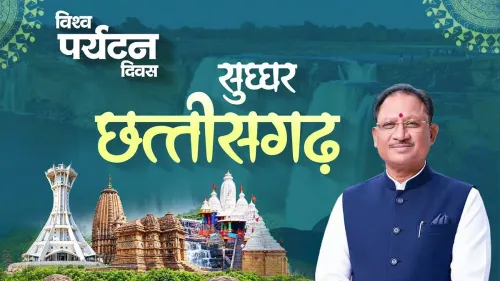
On World Tourism Day, 27 September 2026, the Chief Minister's Office of Chhattisgarh turned the global observance into a pointed economic statement — positioning the state's forests, waterfalls, and tribal heritage not merely as scenic backdrops, but as engines of local livelihood.
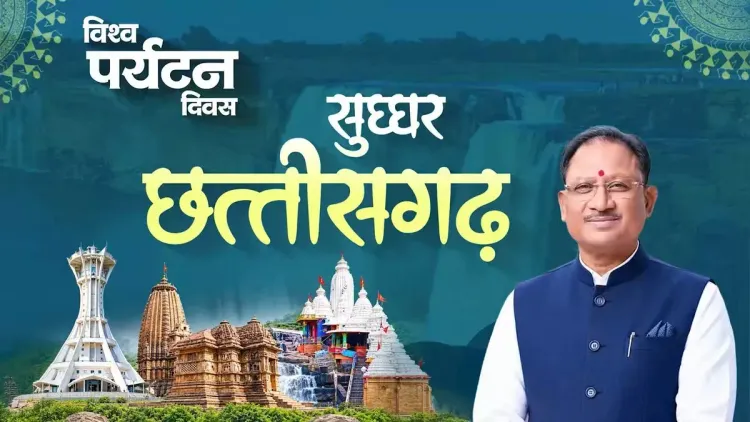
The CMO's post declared: 'Our Chhattisgarh, rich in nature and culture — the growing recognition of Chhattisgarh's tourist destinations is opening new opportunities for local business, employment and entrepreneurship.' The message framed rising tourist footfall as a direct catalyst for handicraft sellers, service workers, and small entrepreneurs across the state.
Tourism as Economic Infrastructure, Not Just Scenery
The post explicitly linked the 'Sushasan Sarkar' — the BJP government's self-styled 'good governance administration' — to active infrastructure upgrades at tourist sites. The logic is deliberate: better roads, facilities, and signage translate to longer visitor stays, and longer stays translate to more rupees spent in village markets rather than highway dhabas.
Chief Minister Vishnu Deo Sai, who took office in December 2023, has consistently framed tourism development within the broader 'Viksit Chhattisgarh' (Developed Chhattisgarh) vision — connecting dot between tribal handicrafts, forest-edge homestays, and formal employment generation. Sunday's message reinforced that the government sees these dots as a single policy line, not separate portfolios.
A State Built for Tourism, Still Finding Its Footing
Chhattisgarh, carved out as an independent state in 2000, sits on extraordinary natural assets — the thundering Chitrakote Falls, the cave temples of Sirpur, and the dense sal forests of Bastar. Yet the state's tourism numbers have historically lagged behind neighbours like Madhya Pradesh and Odisha, partly due to infrastructure gaps and security concerns in its southern districts.
The national Swadesh Darshan scheme, launched in 2014-15, designated theme-based tourist circuits that included Chhattisgarh, providing central funding for trail development and site connectivity. The current state government's push to upgrade tourist facilities dovetails with that framework — and with a broader pattern visible across India, where resource-rich states have turned to tourism as a diversification tool beyond mining and agriculture.
What Local Artisans and Entrepreneurs Stand to Gain
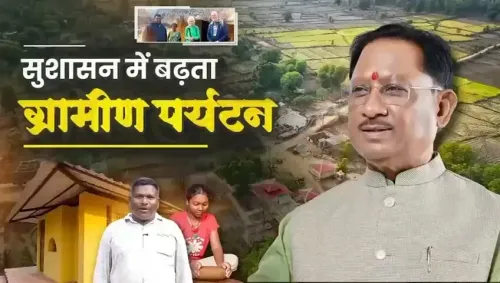
The CMO's post singled out three specific beneficiary groups: producers of local products, handicraft artisans, and service providers. Chhattisgarh's craft traditions — Bastar iron craft, Dhokra metal casting, and Kosa silk weaving — have long held cultural prestige with limited commercial scale. Tourism-linked retail, whether at site-adjacent stalls or curated craft bazaars, offers artisans a direct revenue channel that bypasses multiple middlemen.
For a state where a significant portion of the population depends on forest produce and agriculture, even a marginal shift toward tourism-linked income can alter economic outcomes at the household level. That is the real bet embedded in Sai's tourism push — and on World Tourism Day 2026, his government chose to say it plainly.
Whether the infrastructure investments materialise fast enough to match that ambition is the question Chhattisgarh's next tourism season will begin to answer.
Point of View
The Chhattisgarh government is doing more than marking a calendar event — it is staking a policy identity. For a BJP state government seeking visible economic wins ahead of future electoral cycles, turning cultural heritage into a jobs narrative is strategically tidy: it appeals simultaneously to tribal identity, entrepreneurship, and development optics. The explicit naming of artisans and service workers as beneficiaries signals an effort to make trickle-down tangible and politically legible at the village level. Whether the infrastructure budgets and execution keep pace with the rhetoric will determine if this becomes a genuine economic story or a recurring World Tourism Day talking point.
NationPress
27 Sept 2026
Frequently Asked Questions
What did Chhattisgarh CMO post on World Tourism Day 2026?
The Chief Minister's Office of Chhattisgarh posted that the state's growing tourism recognition is creating new opportunities for local businesses, handicraft artisans, and service workers, crediting CM Vishnu Deo Sai's efforts to link tourism with the local economy.
Who is the Chief Minister of Chhattisgarh in 2026?
Vishnu Deo Sai is the Chief Minister of Chhattisgarh, having taken office in December 2023 from the BJP.
What is the Swadesh Darshan scheme and does it cover Chhattisgarh?
Swadesh Darshan is a central government scheme launched in 2014-15 to develop theme-based tourist circuits across India; Chhattisgarh is among the states included, receiving funding for trail and site connectivity development.
What are the main tourist destinations in Chhattisgarh?
Key attractions include Chitrakote Falls, the ancient cave temples of Sirpur, the Bastar tribal belt, and dense sal forests — alongside rich craft traditions such as Dhokra metal casting and Kosa silk weaving.
How does tourism help local employment in Chhattisgarh?
Rising tourist footfall creates direct income for handicraft sellers, homestay operators, and service providers, and offers artisans a retail channel that can reduce dependence on agricultural and forest produce income.