CM Samrat Choudhary: 22,000 Anganwadi Posts to Be Filled in Bihar
Synopsis
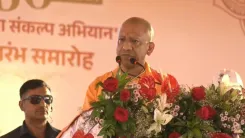
Bihar Chief Minister Samrat Choudhary announced on 29 July 2026 that the state cabinet has approved recruitment of 22,000 Anganwadi Sevika and Sahayika posts under the Integrated Child Development Services scheme, marking a major push to strengthen frontline child and maternal welfare delivery across the state.
Key Takeaways
22,000 Anganwadi Sevika and Sahayika posts will be filled under the ICDS scheme, as announced by the Bihar cabinet.
The decision was announced by Bihar Chief Minister Samrat Choudhary on 29 July 2026 .
ICDS, launched in 1975 , is India's primary programme for child nutrition, preschool education, and maternal health at the village level.
Anganwadi workers are the frontline delivery agents for services targeting children under six and lactating mothers .
Formal recruitment notifications, selection criteria, and a hiring timeline are the next expected steps from the Bihar government.
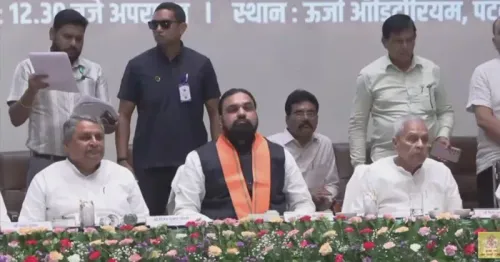
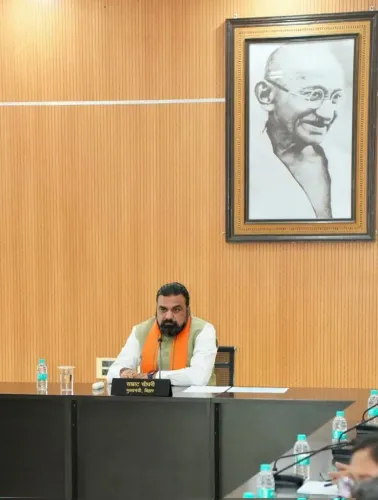
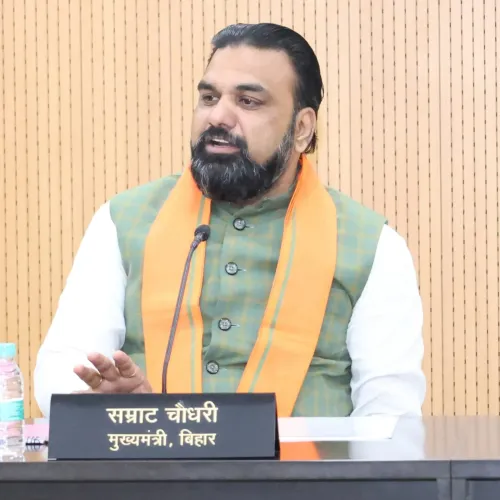
Bihar's cabinet has cleared a recruitment drive that will put 22,000 Anganwadi Sevika and Sahayika workers back on the frontlines of child and maternal welfare — one of the largest such hiring pushes in the state's recent history. Bihar Chief Minister Samrat Choudhary announced the decision on Wednesday, 29 July 2026, flagging it as a cabinet resolution under the Integrated Child Development Services (ICDS) programme.
What the 22,000 Posts Actually Mean on the Ground
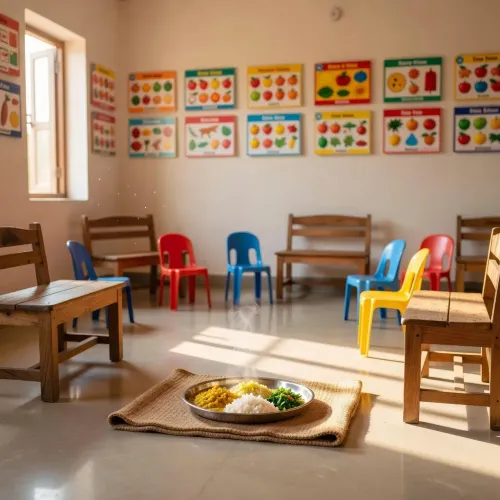
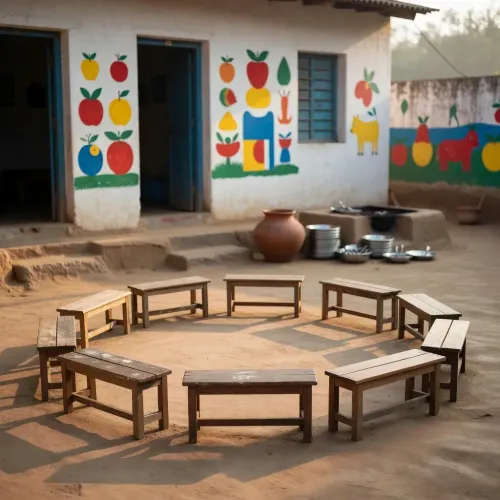
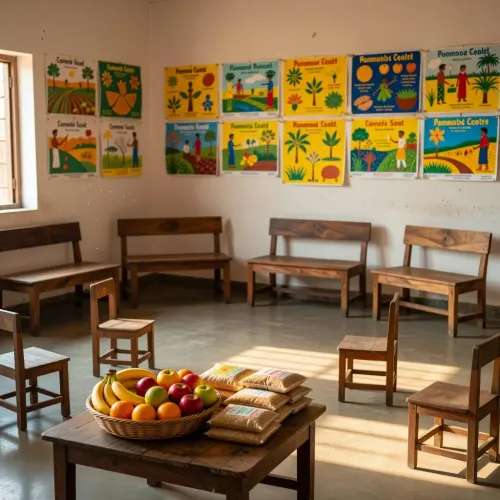
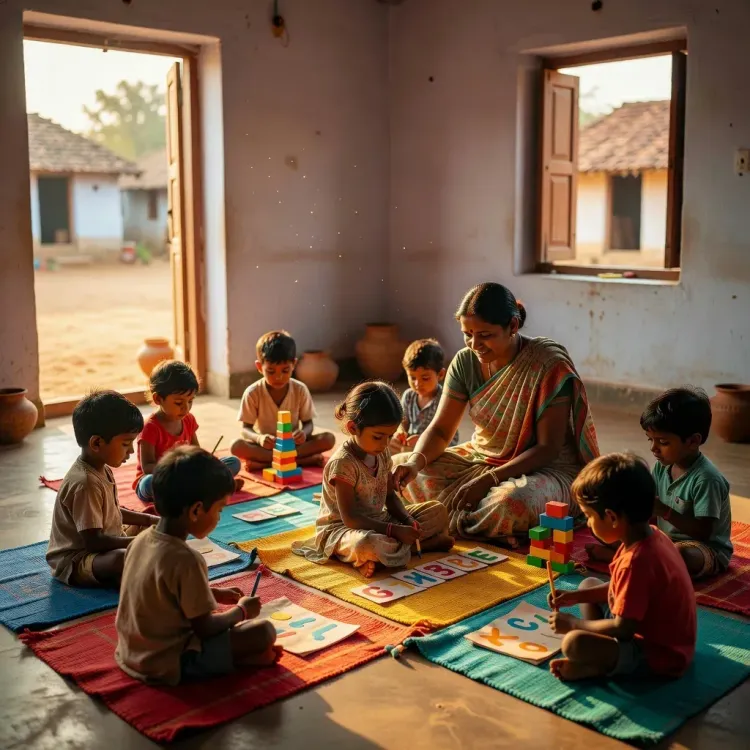
Anganwadi Sevikas and Sahayikas are the last-mile delivery agents of India's oldest child welfare architecture. Every centre they staff is a point of access for supplementary nutrition, preschool education, and basic health check-ups for children under six and lactating mothers — services that reach families with no other safety net. Filling 22,000 vacancies in one cabinet decision signals a significant gap in Bihar's current ICDS coverage that the state is now moving to close.
ICDS: A 1975 Scheme Still Carrying Heavy Lifting
The Integrated Child Development Services scheme was launched by the Government of India in 1975 — making it one of the world's longest-running early childhood intervention programmes. It operates through a network of Anganwadi centres, each staffed by a Sevika (the primary worker) and a Sahayika (her assistant), who together deliver the programme's six core services at the village level. Bihar, with its large rural population and persistently high child malnutrition indicators, has historically depended on this network more heavily than most states.
Bihar's Recruitment Pattern and What Comes Next
State governments periodically announce Anganwadi recruitment drives to fill vacancies that accumulate through retirements, attrition, and expansion of the network. Bihar manages state-level implementation and honorarium payments within the framework of central ICDS norms. The immediate watch-points are the publication of formal recruitment notifications, the selection criteria for candidates, and the timeline the state sets for completing the hiring process. The cabinet decision is the starting gun — the recruitment machinery now has to follow.
For hundreds of thousands of children and mothers in Bihar's rural blocks, the speed of that follow-through is the only number that matters.
Point of View
000 Anganwadi posts is a politically visible welfare signal from the Samrat Choudhary government, arriving at a time when Bihar's child malnutrition and maternal health metrics remain under scrutiny. For the BJP-led state administration, large-scale ICDS recruitment serves a dual purpose: it shores up a critical public-health delivery system and generates significant direct employment for rural women, a constituency that matters electorally. The real test, however, lies in execution — Bihar has announced Anganwadi recruitment drives before, and the gap between cabinet approval and actual deployment has historically been wide. Observers will watch whether this round moves faster from notification to appointment.
NationPress
29 Jul 2026
Frequently Asked Questions
What is the Bihar Anganwadi recruitment 2026 announcement?
Bihar Chief Minister Samrat Choudhary announced on 29 July 2026 that the state cabinet has approved filling 22,000 Anganwadi Sevika and Sahayika vacancies under the Integrated Child Development Services (ICDS) scheme.
What do Anganwadi Sevikas and Sahayikas do?
Anganwadi Sevikas and Sahayikas are frontline workers who run Anganwadi centres under the ICDS scheme, delivering supplementary nutrition, preschool education, and basic health services to children under six and their mothers in rural and urban areas.
What is the ICDS scheme?
The Integrated Child Development Services (ICDS) is a Government of India scheme launched in 1975 to address child malnutrition and support early childhood development through a nationwide network of Anganwadi centres.
When will the Bihar Anganwadi recruitment notification be released?
The Bihar government is yet to publish formal recruitment notifications following the cabinet decision. The selection criteria and application timeline are the immediate next steps to watch.
Who is Samrat Choudhary?
Samrat Choudhary is the Chief Minister of Bihar and a senior leader of the Bharatiya Janata Party (BJP).