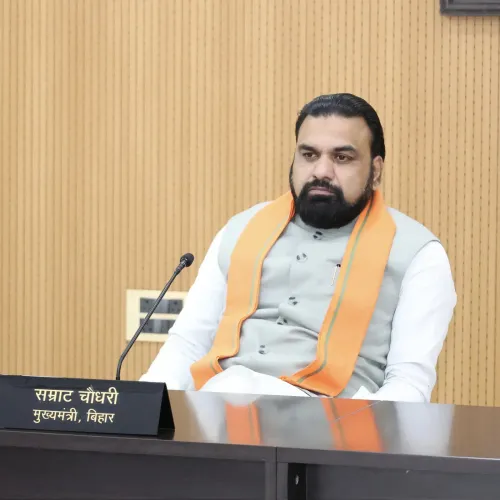
CM Samrat Choudhary: Bihar to Launch 211 New Degree Colleges
Synopsis
Bihar Chief Minister Samrat Choudhary announced the simultaneous inauguration of 211 new degree colleges on 15 July 2026 and unveiled a proposal for a central university on 220 acres honouring the ancient Vikramshila legacy, in a major push to expand higher education and research in the state.
Key Takeaways
211 newly established degree colleges in Bihar are set to be inaugurated simultaneously on 15 July 2026 .
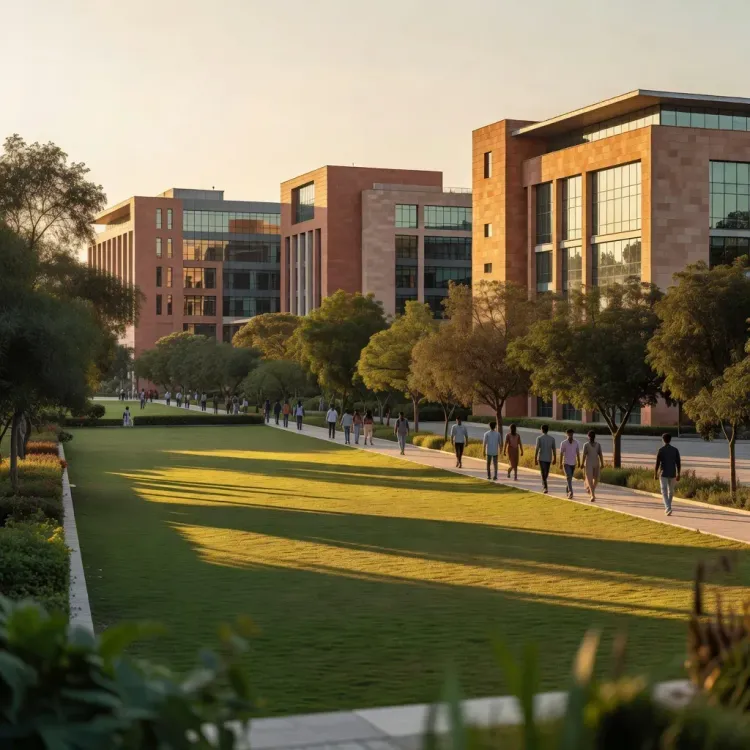
A central university spanning approximately 220 acres is proposed in the name of the ancient Vikramshila institution in Bhagalpur district .
The announcements were made by Bihar Chief Minister Samrat Choudhary via a post on X on 14 July 2026 .
The initiatives aim to raise Bihar's gross enrolment ratio and establish the state as a hub for higher education, research, and innovation.
The proposed central university draws on the legacy of Vikramshila , a major Buddhist centre of learning active from the 8th to 12th century .
Formal central government notification and funding will be required before the Vikramshila Central University becomes operational.
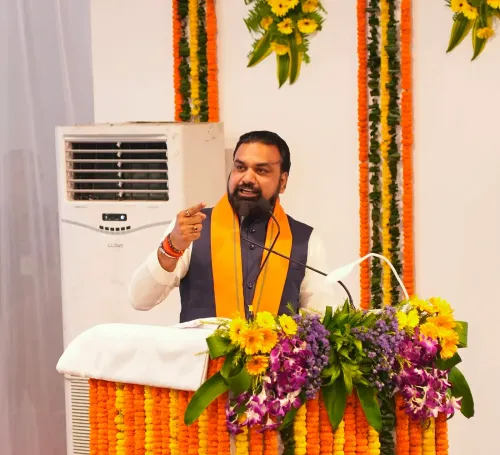
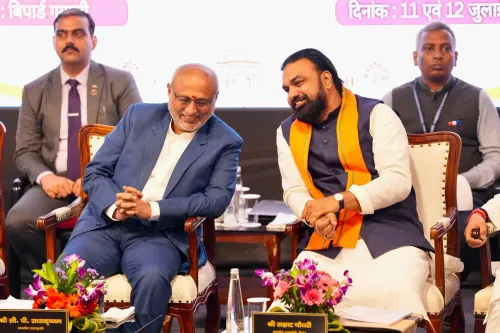
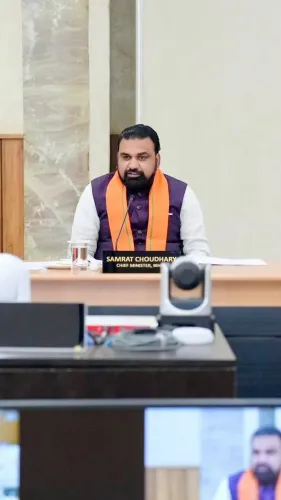
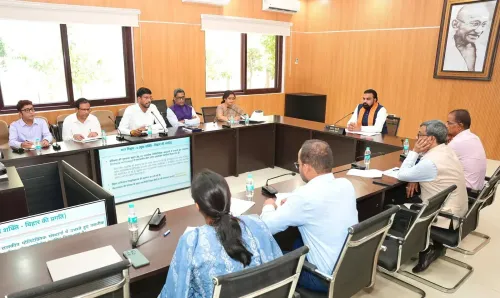
Bihar Chief Minister Samrat Choudhary announced on Tuesday, 14 July 2026, that 211 newly established degree colleges across Bihar will be inaugurated simultaneously the following day, alongside a proposal to establish a central university spanning approximately 220 acres in the name of the ancient Vikramshila institution.
Context
Posting on X, Chief Minister Choudhary described the twin announcements as a historic step toward making Bihar a powerful centre of higher education, research, and innovation. In his words, the initiative would give 'नई ऊर्जा' ('new energy') to the glorious legacy of the world-renowned Vikramshila, while simultaneously expanding access to degree-level education across the state.
The simultaneous launch of 211 colleges in a single day is an unusually large-scale rollout for any Indian state, signalling a deliberate push to raise Bihar's gross enrolment ratio in higher education, which has historically lagged behind the national average.
Policy Backdrop
Vikramshila was one of the great Buddhist universities of medieval India, functioning from the 8th to the 12th century in present-day Bhagalpur district of Bihar. Its revival as a central university would draw on the Central Universities Act, 2009, which empowered the union government to establish new central universities in states to widen access to quality higher education.
Bihar has pursued an active agenda of educational infrastructure expansion in recent policy cycles, seeking to leverage its historical association with major seats of learning — including Nalanda — to build contemporary research and academic institutions. The proposed Vikramshila Central University on approximately 220 acres would fit within this broader pattern of heritage-linked institution-building.
Stakeholders and Impact
The most immediate beneficiaries of the 211 new degree colleges are students in rural and semi-urban Bihar who currently face long distances or financial barriers to accessing higher education. Expanding the college network directly addresses geographic inequity in enrolment.
Academic researchers and faculty stand to gain from the proposed central university, which — if established — would bring central funding, autonomous governance, and research infrastructure to a region that has few such institutions. Local communities around Bhagalpur, the historical seat of Vikramshila, could see economic and social development tied to a major campus.
What's Next
The operational readiness of the 211 colleges post-inauguration — including faculty appointments, infrastructure, and affiliation status — will be closely watched by education stakeholders. A formal central government notification and budgetary allocation will be necessary before the Vikramshila Central University can move from proposal to reality.
If both initiatives achieve their stated goals, Bihar could meaningfully alter its higher-education landscape, positioning itself alongside states that have successfully converted historical educational legacies into modern academic institutions.
Point of View
Buddhist heritage that resonates with cultural nationalism while also serving genuine development goals. The central university proposal, however, hinges on union government action, meaning the state government is effectively making a promise that requires Delhi's concurrence to fulfil. Watchers will distinguish between the college inaugurations, which are within state authority, and the central university, which remains aspirational until a formal notification is issued.
NationPress
14 Jul 2026
Frequently Asked Questions
When will Bihar's 211 new degree colleges be inaugurated?
Bihar's 211 newly established degree colleges are scheduled to be inaugurated simultaneously on 15 July 2026 , as announced by Chief Minister Samrat Choudhary on 14 July 2026.
Where will the proposed Vikramshila Central University be located?
The proposed Vikramshila Central University is planned on approximately 220 acres of land, drawing on the legacy of the ancient Vikramshila institution located in Bhagalpur district of Bihar.
What was Vikramshila and why is it significant for Bihar?
Vikramshila was one of medieval India's foremost Buddhist universities, active from the 8th to the 12th century in present-day Bhagalpur district. Its revival as a central university is seen as both an educational and cultural milestone for Bihar.
Who announced the 211 colleges and Vikramshila university in Bihar?
Bihar Chief Minister Samrat Choudhary , a senior BJP leader, made the announcement via a post on X on 14 July 2026 .
What law governs the establishment of a new central university in Bihar?
The Central Universities Act, 2009 provides the legal framework for establishing new central universities in Indian states, including Bihar, and would govern the proposed Vikramshila Central University.