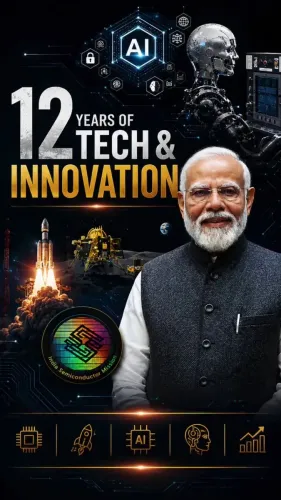
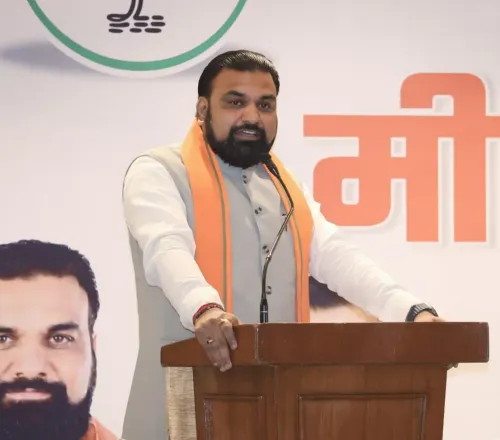
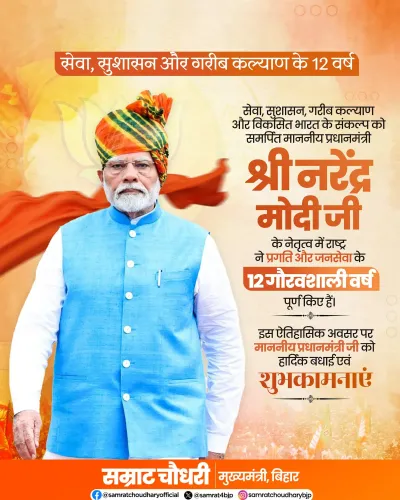
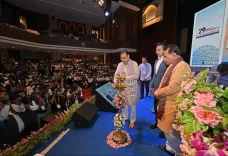
CM Samrat Choudhary Marks 11 Years of Digital India
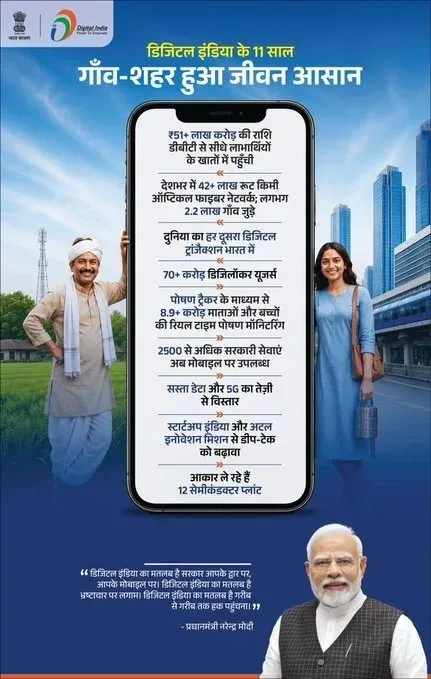
Synopsis
Bihar Chief Minister Samrat Choudhary marked the 11th anniversary of Digital India on 1 July 2026, praising PM Modi's leadership for advancing governance, transparency and citizen empowerment through digital infrastructure over the past decade.
Key Takeaways
Digital India completed 11 years on 1 July 2026 , having been launched by PM Narendra Modi on 1 July 2015.
Bihar CM Samrat Choudhary posted on X to mark the anniversary, calling the programme a 'transformative force' for a self-reliant and developed India.
Choudhary credited PM Modi's 'visionary leadership' for reshaping good governance, transparency and people's empowerment over 11 years.
The post highlighted India's digital reach from villages to the global stage, referencing platforms like UPI and Aadhaar -linked services.
The #11YearsOfDigitalIndia hashtag was used, reflecting a coordinated BJP effort to mark the milestone across social media.
Upcoming Digital India Phase 2 targets and Ministry of Electronics policy statements are expected to define the next phase of the programme.
Bihar Chief Minister Samrat Choudhary on Wednesday, 1 July 2026 hailed the Digital India programme as a 'transformative force' for a developed and self-reliant India, marking the initiative's 11th anniversary with a post on X that credited Prime Minister Narendra Modi's 'visionary leadership' for reshaping governance, transparency and citizen empowerment over the past decade.
Context
Digital India was formally launched on 1 July 2015 by Prime Minister Narendra Modi as a flagship central government programme to build digital infrastructure, expand e-governance services and empower citizens through technology. The initiative has since become an umbrella framework for a range of public digital platforms spanning payments, identity and broadband connectivity.
Choudhary's post, written in Hindi, declared: 'Digital India aaj viksit aur aatmanirbhar Bharat ki parivartankari shakti ban chuka hai' ('Digital India has today become the transformative force of a developed and self-reliant India'). He added that over the past 11 years, the 'digital revolution' had given 'new direction to good governance, transparency and people's empowerment.'
Policy Backdrop
The Digital India programme sits at the intersection of several central government priorities, including Atmanirbhar Bharat (self-reliant India) and the long-term goal of Viksit Bharat (developed India). Successive Union budgets have channelled funds into digital public infrastructure, and platforms such as Aadhaar-linked services and the Unified Payments Interface (UPI) have been positioned as concrete outcomes of the programme.
Choudhary noted in his post that India's digital identity had reached 'new heights from the village to the global stage,' reflecting the government's framing of UPI's international expansion and rural broadband rollout as evidence of the programme's reach. The hashtag #11YearsOfDigitalIndia trended alongside similar posts from BJP leaders across the country on the anniversary.
Stakeholders and Impact
The primary beneficiaries cited in the government's own framing of Digital India are Indian citizens, particularly rural populations who have gained access to banking, welfare delivery and government services through digital channels. Choudhary's post specifically described the programme as making the lives of 'crores of fellow citizens simpler, safer and more empowered.'
As Bihar Chief Minister, Choudhary's endorsement also carries a state-level dimension: Bihar has historically been among the states with lower digital penetration, making central digital infrastructure investments particularly significant for its population. The post underscores the BJP's political investment in associating governance outcomes with the Digital India brand ahead of any forthcoming policy announcements.
What's Next
Observers will watch for announcements related to Digital India Phase 2 components and any new targets set by the Ministry of Electronics and Information Technology in upcoming policy statements or the next Union Budget. The anniversary serves as a natural moment for the central government to outline the next phase of digital public infrastructure expansion, with rural connectivity and AI-enabled governance frequently cited as priority areas.
For Bihar specifically, the coming months may see state-level digital initiatives framed within the broader Digital India narrative, as the ruling coalition seeks to demonstrate on-ground delivery of the programme's promises to voters.
Point of View
The post deliberately ties a decade-old programme to the ruling coalition's long-term electoral and ideological framing. For Bihar, a state with historically lower digital penetration, such endorsements also serve a local purpose: associating the state government with visible national progress. The anniversary creates a political window for fresh announcements, and Choudhary's post positions him as an early, enthusiastic participant in that moment.
NationPress
1 Jul 2026
Frequently Asked Questions
When was Digital India launched and who launched it?
Digital India was launched on 1 July 2015 by Prime Minister Narendra Modi as a flagship programme to build digital infrastructure and expand e-governance services across India.
What did Bihar CM Samrat Choudhary say about Digital India?
Bihar Chief Minister Samrat Choudhary called Digital India a 'transformative force' for a developed and self-reliant India, crediting PM Modi's visionary leadership for reshaping governance, transparency and citizen empowerment over 11 years.
What is the significance of 11 years of Digital India in 2026?
The 11th anniversary of Digital India on 1 July 2026 marks over a decade of the central government's effort to expand digital public infrastructure, including UPI payments, Aadhaar -linked services and rural broadband, transforming service delivery for crores of citizens.
What is Viksit Bharat and how does it relate to Digital India?
Viksit Bharat (Developed India) is the central government's long-term development vision, and Digital India is positioned as a foundational pillar of that goal, providing the digital infrastructure for governance, economic participation and citizen empowerment.
What comes next for Digital India after 11 years?
Policy watchers expect announcements on Digital India Phase 2 targets, including rural connectivity expansion and AI-enabled governance, likely to be outlined in upcoming Ministry of Electronics and Information Technology statements or the next Union Budget.