CM Sukhu Backs Community Plantation Drive Under Rajiv Gandhi Van Sanvardhan Yojana
Synopsis
Himachal Pradesh CM Sukhvinder Singh Sukhu announced on 25 June 2026 that the state is providing sustained financial and material support to women's mandals, youth mandals, and self-help groups for tree plantation on vacant land under the Rajiv Gandhi Van Sanvardhan Yojana, and warned officials against refusing applications.
Key Takeaways
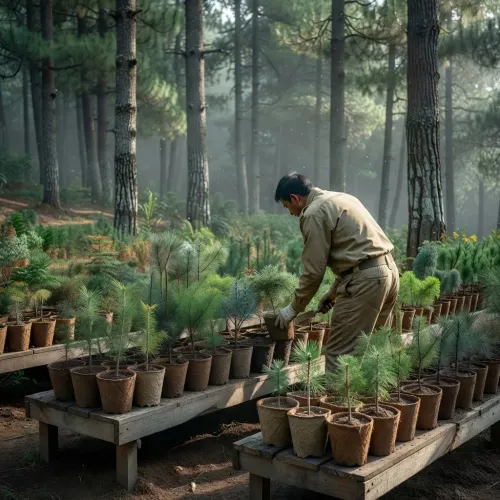
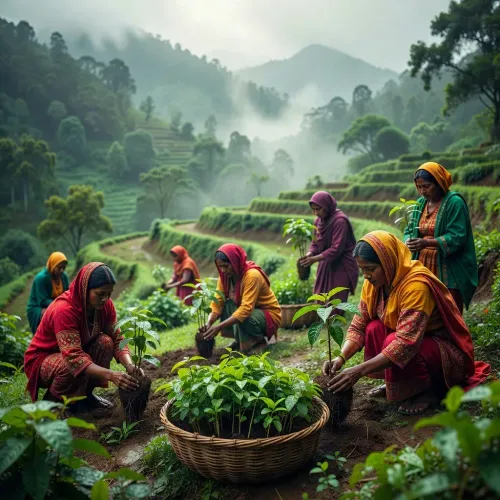
The Rajiv Gandhi Van Sanvardhan Yojana provides financial assistance to women's mandals , youth mandals , and self-help groups in Himachal Pradesh for planting saplings on vacant land.
Financial support under the scheme continues until saplings grow into full trees, not just at the planting stage.
The state government is supplying all necessary resources for sapling protection alongside monetary aid.
Citizens can apply at their nearest forest department office to avail the scheme's benefits.
CM Sukhu issued a direct accountability warning, asking citizens to report any official who refuses to accept an application.
The scheme builds on India's participatory forestry tradition dating to the National Forest Policy of 1988 and Joint Forest Management guidelines of 1990 .
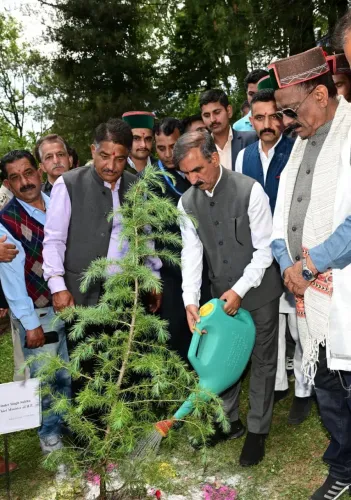
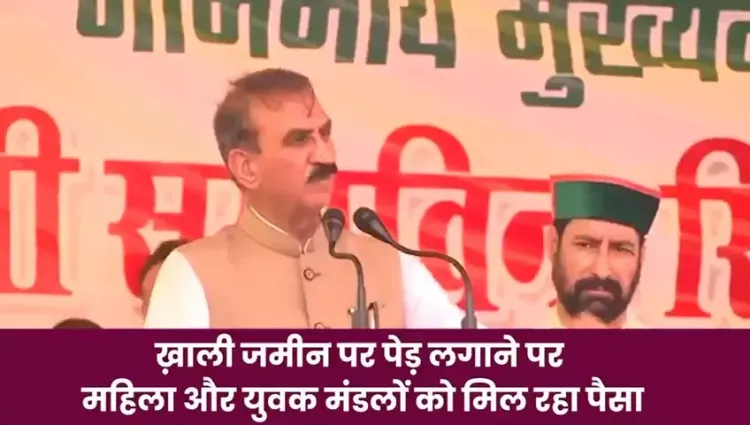
Himachal Pradesh Chief Minister Sukhvinder Singh Sukhu on Thursday, 25 June 2026, announced that his government is providing financial assistance to women's mandals, youth mandals, and self-help groups to carry out plantation drives on vacant land under the Rajiv Gandhi Van Sanvardhan Yojana, and urged community members to apply at their nearest forest department office.
Context
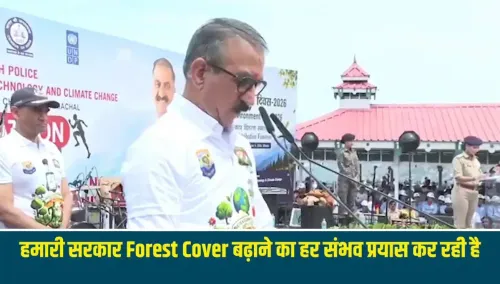
In his post on X, CM Sukhu stated in Hindi: 'हमारी सरकार राजीव गांधी वन संवर्धन योजना के तहत महिला मंडलों, युवक मंडलों एवं स्वयं सहायता समूहों को खाली जमीन पर पौधरोपण करने के लिए आर्थिक सहायता प्रदान कर रही है' ('Our government is providing financial assistance to women's mandals, youth mandals, and self-help groups to plant saplings on vacant land under the Rajiv Gandhi Van Sanvardhan Yojana'). He added that this support will continue until the saplings mature into trees, and that the state government is also making all necessary resources available for their protection.
The Chief Minister further called on citizens to apply at their nearest forest department office, and issued a direct accountability warning: if any official refuses to accept an application, the matter should be reported to him personally.
Policy Backdrop
The Rajiv Gandhi Van Sanvardhan Yojana is a Himachal Pradesh government scheme that channels sustained financial and material support to community groups undertaking afforestation on barren or vacant land. The scheme draws from a long tradition of participatory forestry in the state, rooted in the National Forest Policy of 1988 and the Joint Forest Management guidelines of 1990 issued by the Government of India, both of which emphasised local community involvement in forest protection and regeneration.
Himachal Pradesh has implemented successive van sanrakshan and social forestry programmes since the 1990s. These state-level drives have typically aligned with central initiatives such as the National Afforestation Programme and the Green India Mission, which seek to expand India's forest and tree cover to meet national ecological targets.
Stakeholders and Impact
The scheme directly targets women's mandals, youth mandals, and self-help groups — grassroots community structures that are widely present across Himachal Pradesh's rural landscape. By tying financial assistance to the survival of saplings rather than just their planting, the scheme creates an incentive for long-term stewardship rather than one-time activity.
The provision of protective resources by the state government addresses a common failure point in afforestation drives — sapling mortality due to inadequate follow-up care. For self-help groups, particularly those in rural and semi-urban areas, the scheme also offers a supplementary livelihood avenue linked to ecological work.
What's Next
The Chief Minister's direct appeal for citizens to report unresponsive officials signals that the government intends to monitor field-level implementation closely. The Himachal Pradesh forest department will be a key agency to watch for application processing rates and grievance resolution outcomes. Broader uptake by community groups across the state's forested districts could contribute meaningfully to Himachal Pradesh's ongoing efforts to balance ecological restoration with community livelihoods amid intensifying climate pressures in the Himalayan region.
Point of View
Reinforcing political branding alongside policy delivery. The emphasis on sustained assistance until saplings mature into trees distinguishes this approach from criticism-prone one-day plantation drives, signalling an attempt at durable ecological impact. Set against the backdrop of Himalayan climate vulnerability, the scheme also positions the Sukhu government as responsive to both livelihood and environmental concerns ahead of future electoral cycles.
NationPress
25 Jun 2026
Frequently Asked Questions
What is the Rajiv Gandhi Van Sanvardhan Yojana in Himachal Pradesh?
The Rajiv Gandhi Van Sanvardhan Yojana is a Himachal Pradesh government scheme that provides financial and material assistance to women's mandals, youth mandals, and self-help groups to plant saplings on vacant or barren land, with support continuing until the saplings grow into trees.
Who can apply for the Rajiv Gandhi Van Sanvardhan Yojana?
Women's mandals, youth mandals, and self-help groups in Himachal Pradesh are eligible to apply. Applications can be submitted at the nearest forest department office.
How long does the government provide financial help under this plantation scheme?
According to CM Sukhu, financial assistance is provided continuously until the planted saplings mature into full-grown trees, not just at the time of planting.
What should I do if a forest department official refuses my application?
CM Sukhu has asked citizens to directly inform him or his office if any official refuses to accept an application under the Rajiv Gandhi Van Sanvardhan Yojana.
How does this scheme connect to India's national forest policy?
The scheme builds on India's participatory forestry framework established through the National Forest Policy of 1988 and Joint Forest Management guidelines of 1990, which encouraged states to involve local communities in afforestation and forest protection.