CM Sukhu Launches 500 kW Solar Plant in Solan Under Green Panchayat Yojana
Synopsis
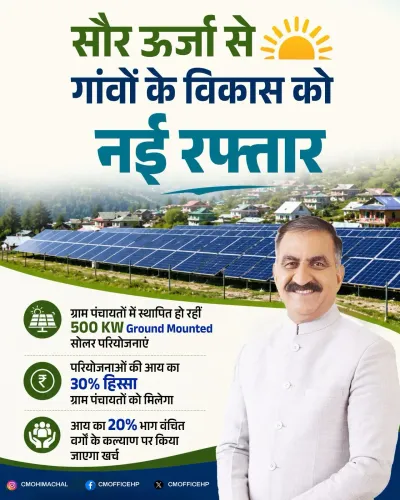
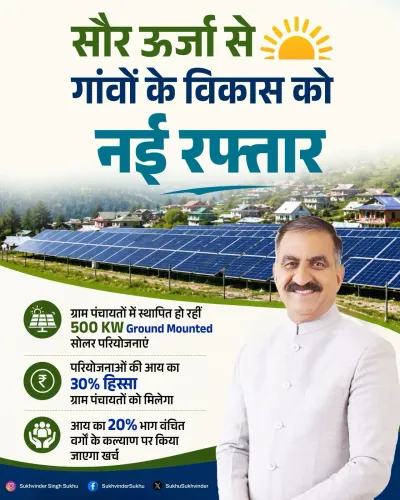
Himachal Pradesh CM Sukhvinder Singh Sukhu inaugurated a Rs 2 crore, 500 kW solar plant at Gram Panchayat Mamlig in Solan under the Green Panchayat Yojana. The plant will generate 8 lakh units annually, earning the panchayat Rs 14 lakh per year, with 25% each allocated to development works and welfare of orphans and widows.
Key Takeaways
CM Sukhu virtually inaugurated a 500 kW ground-mounted solar project at Gram Panchayat Mamlig, Solan district on 14 July 2026 .
The plant was built at a cost of Rs 2 crore under the Green Panchayat Yojana , executed by HimUrja .
Expected output is approximately 3,000 units per day and 8 lakh units annually of clean electricity.
The panchayat will earn an estimated Rs 14 lakh per year from the project's revenue.
Revenue is split: 25% for panchayat development, 25% for orphans and widows, 20% to the state government, 20% to HimUrja, and 10% for operations and maintenance .
HP Legislative Assembly Speaker Kuldeep Singh Pathania and Health Minister Dr.
Dhani Ram Shandil were present at the inauguration.
Himachal Pradesh Chief Minister Sukhvinder Singh Sukhu on Tuesday, 14 July 2026, virtually inaugurated a 500-kilowatt ground-mounted solar energy project at Gram Panchayat Mamlig in Solan district, under the state government's Green Panchayat Yojana. The plant, built at a cost of Rs 2 crore, is designed to generate approximately 3,000 units of clean electricity daily and nearly 8 lakh units annually, yielding the panchayat an estimated Rs 14 lakh per year in revenue.
Context
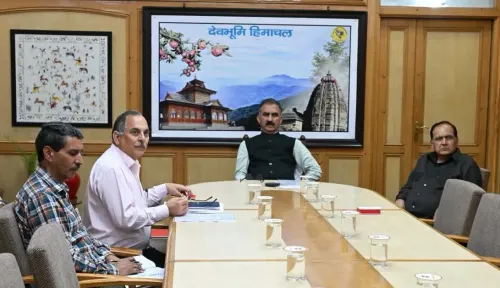
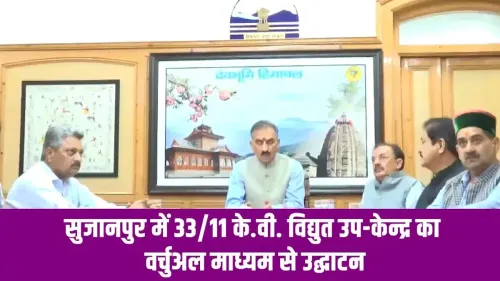
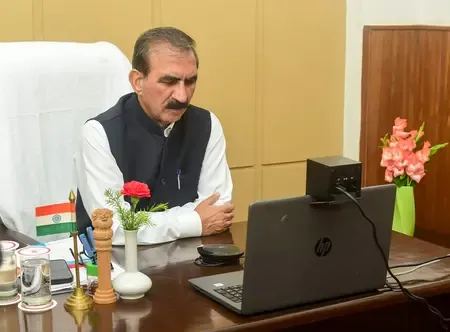
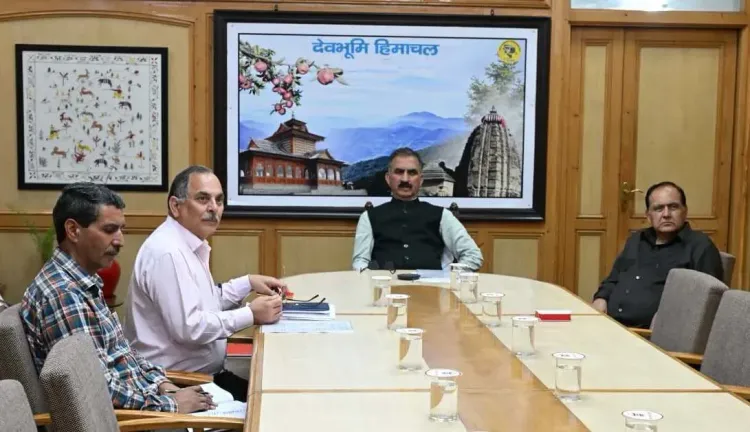
Sukhu inaugurated the project from Shimla via virtual mode, with Himachal Pradesh Legislative Assembly Speaker Kuldeep Singh Pathania present in Shimla and Health and Family Welfare Minister Dr. (Col.) Dhani Ram Shandil attending the event on the ground at Mamlig. The Chief Minister posted details of the launch on X, stating in Hindi: 'आज शिमला से वर्चुअल माध्यम से... ग्रीन पंचायत योजना के अंतर्गत 500 किलोवाट क्षमता की ग्राउंड-माउंटेड सौर ऊर्जा परियोजना का उद्घाटन किया' ('Today, from Shimla via virtual mode, a 500-kilowatt ground-mounted solar energy project under the Green Panchayat Yojana was inaugurated').
The project is executed by HimUrja, the Himachal Pradesh Energy Development Agency, which is the state's nodal body for planning and implementing renewable energy projects.
Policy Backdrop
The Green Panchayat Yojana is a Himachal Pradesh government initiative aimed at embedding solar generation capacity directly within gram panchayats, enabling rural bodies to become both energy producers and revenue earners. The scheme fits within India's broader target of achieving 500 GW of non-fossil fuel capacity by 2030, with decentralised, panchayat-level projects forming a critical pillar of that ambition.
Himachal Pradesh has been aligning such projects with its carbon-neutrality roadmap, channelling central and state funds to rural institutions for simultaneous infrastructure development and social protection. The lineage of this approach traces back to the Jawaharlal Nehru National Solar Mission launched in 2010, which prompted states to design decentralised rural solar programmes.
Revenue Distribution Model
The defining feature of the Mamlig solar project, as highlighted by CM Sukhu, is its structured revenue-sharing framework. Of the estimated Rs 14 lakh annual income, the distribution is as follows: 25% goes toward gram panchayat development works; 25% is earmarked for the welfare of orphans and widows; 20% is retained by the state government; 20% goes to HimUrja; and the remaining 10% covers operations and maintenance.
The explicit allocation of a quarter of revenues to orphans and widows marks this as a social welfare instrument as much as an energy project, directly linking clean power generation to vulnerable community groups at the village level.
Stakeholders and Impact
Gram Panchayat Mamlig in Solan district stands as the immediate beneficiary, gaining a self-sustaining revenue stream to fund local development without dependence on discretionary state grants. Widows and orphans in the panchayat area will receive a dedicated welfare allocation from the plant's earnings each year.
At the state level, HimUrja and the Himachal Pradesh government each secure a share of revenues that can be recycled into further renewable deployments. The model, if replicated across the state's roughly 3,600 gram panchayats, could meaningfully scale both clean generation capacity and rural social spending simultaneously.
What's Next
The Himachal Pradesh government is expected to extend the Green Panchayat Yojana to additional districts, with the Mamlig project serving as a replicable template. The actual realisation of projected revenues and welfare disbursements will be a key metric to watch in the state's next budget cycle. Broader adoption will also test HimUrja's execution capacity as demand for decentralised solar installations grows across the hill state.
Point of View
If standardised across Himachal Pradesh's thousands of gram panchayats, could create a self-financing welfare layer at the village level, reducing dependence on annual budget allocations. The model also aligns Himachal Pradesh's carbon-neutrality ambitions with grassroots economic empowerment, a combination that gives the Congress-led state government a distinct policy narrative ahead of future electoral cycles. The real test, however, will be whether actual revenue realisation and welfare disbursements match the projected figures once the plant reaches full operational maturity.
NationPress
14 Jul 2026
Frequently Asked Questions
What is the Green Panchayat Yojana in Himachal Pradesh?
The Green Panchayat Yojana is a Himachal Pradesh government scheme that installs solar energy projects at the gram panchayat level, enabling rural bodies to generate clean electricity and earn revenue from it for local development and welfare activities.
How much electricity will the Mamlig solar plant produce?
The 500 kW ground-mounted solar plant at Gram Panchayat Mamlig in Solan district is expected to produce approximately 3,000 units of electricity per day and around 8 lakh units per year.
How will the revenue from the Mamlig solar project be distributed?
Of the estimated Rs 14 lakh annual revenue, 25% goes to panchayat development works, 25% to welfare of orphans and widows, 20% to the Himachal Pradesh state government, 20% to HimUrja, and 10% toward operations and maintenance.
What is HimUrja and what role does it play in this project?
HimUrja, or the Himachal Pradesh Energy Development Agency, is the state's nodal body for renewable energy. It executed the Mamlig solar project and receives a 20% share of the plant's annual revenue.
Who attended the inauguration of the Mamlig solar project?
CM Sukhvinder Singh Sukhu inaugurated the project virtually from Shimla. HP Legislative Assembly Speaker Kuldeep Singh Pathania was present in Shimla, while Health and Family Welfare Minister Dr. (Col.) Dhani Ram Shandil attended at the Mamlig site in Solan district.