CM Tamang raises Sikkim connectivity, NEIIPP at NITI Aayog meet
Synopsis
Sikkim Chief Minister Prem Singh Tamang appeared before NITI Aayog on June 12, 2026, pressing for Pakyong Airport flight restoration, expedited Sivok–Rangpo rail completion, NEIIPP extension beyond 2027, and climate-resilient infrastructure in North Sikkim — framing connectivity as central to Sikkim Vision 2047.
Key Takeaways
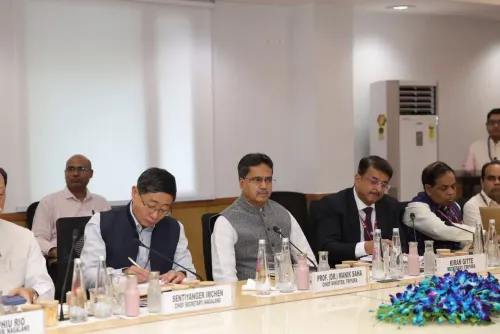
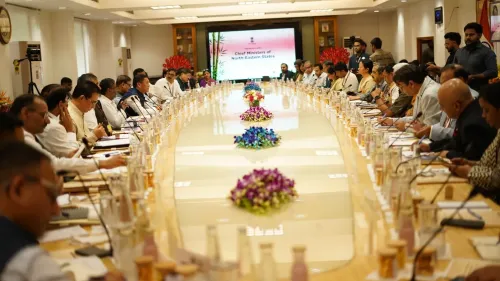
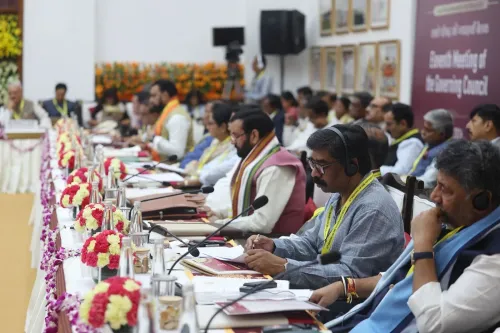
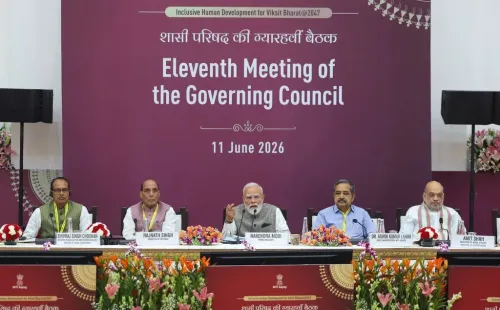
CM Prem Singh Tamang participated in a NITI Aayog interaction with North-Eastern Chief Ministers and Chief Secretaries in New Delhi on June 12, 2026 .
He highlighted Sikkim being declared a Fully Literate State and its progress under Sikkim Vision 2047 in education, women's empowerment, and environmental conservation.
Tamang sought restoration of regular flight services at Pakyong Airport , Sikkim's primary air gateway operational since 2018 .
He called for expeditious completion of the Sivok–Rangpo railway project , first approved by the Union Cabinet in 2008 , and proposed new rail connectivity to Bagdogra Airport .
Extension of NEIIPP beyond its 2027 sunset and climate-resilient infrastructure for North Sikkim were among the key demands placed before the centre.
Demographic challenges facing Sikkim were also raised, reflecting concerns shared by several border states in the region.
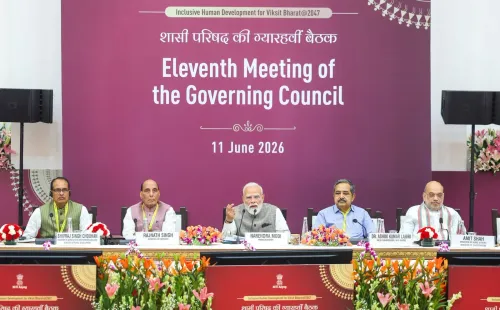
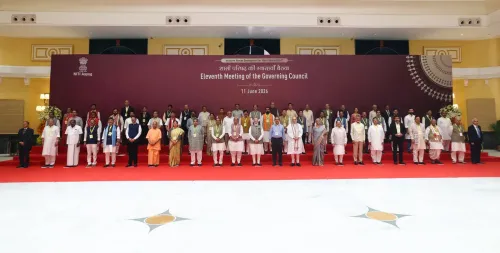
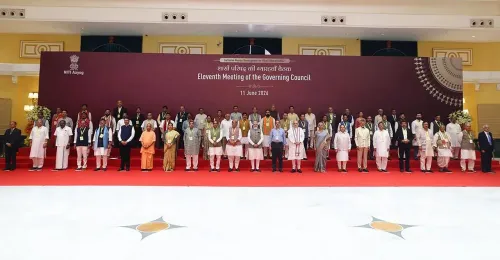
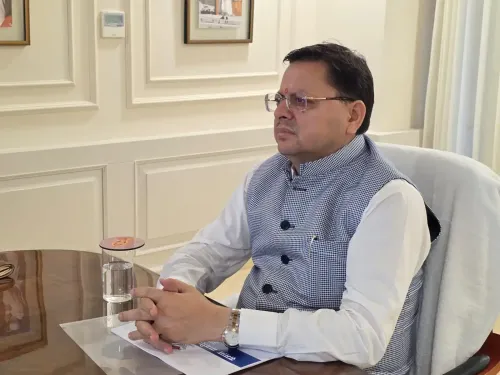
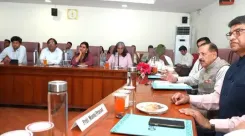
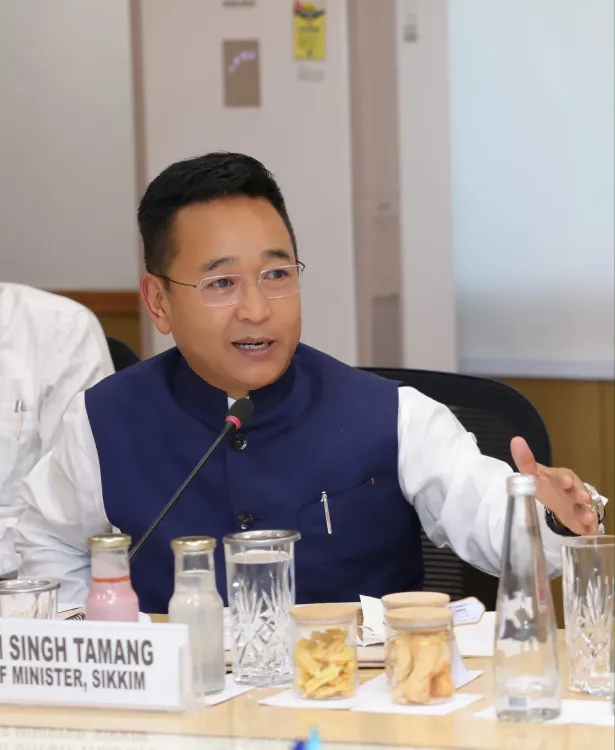
Sikkim Chief Minister Prem Singh Tamang on Friday, June 12, 2026, participated in an interaction programme between NITI Aayog and the Chief Ministers and Chief Secretaries of North-Eastern States in New Delhi, where he placed Sikkim's development priorities — spanning multimodal connectivity, climate-resilient infrastructure, and industrial policy — before the country's apex planning body.
Context
At the meeting, Chief Minister Tamang highlighted Sikkim's achievement of being declared a Fully Literate State, alongside the state's progress in environmental conservation, education, women's empowerment, and mental health. These achievements, he noted, are anchored in the state's long-term development blueprint, Sikkim Vision 2047, which focuses on sustainability and inclusive growth.
Tamang also sought central support for restoring regular flight services at Pakyong Airport, Sikkim's greenfield air gateway that has been operational since 2018. The airport serves as the state's primary air link to the rest of the country, and disruptions to its scheduled services have long been a concern for residents and businesses alike.
Policy Backdrop
NITI Aayog, established in 2015 to replace the Planning Commission and strengthen cooperative federalism, convenes such interactions to align state-level aspirations with national policy frameworks. The forum has been a key channel through which North-Eastern states have historically flagged infrastructure gaps and sought targeted central interventions.
The Sivok–Rangpo railway project, which received Union Cabinet approval as far back as 2008, remains one of Sikkim's most consequential pending infrastructure projects — a rail corridor that would connect the state to India's national railway network for the first time. CM Tamang called for its expeditious completion and additionally proposed railway connectivity to the upgraded Bagdogra Airport to enable seamless multimodal access for Sikkim.
On industrial policy, Tamang urged the extension of the North East Industrial and Investment Promotion Policy (NEIIPP) — originally launched in 2007 to spur investment and employment across the North East — beyond its current sunset of 2027. The extension is seen as critical to sustaining industrial momentum in states that lack large domestic markets and face high logistics costs.
Stakeholders and Impact
The demands raised by CM Tamang cut across multiple constituencies: residents who depend on air connectivity, border traders who rely on improved trade infrastructure, women entrepreneurs who stand to benefit from continued industrial incentives, and communities in North Sikkim exposed to climate-related risks. Sikkim's status as India's first fully organic state — recognised in 2016 — lends additional weight to its calls for climate-resilient infrastructure investment.
The demographic challenges flagged by Tamang at the meeting reflect a concern shared by several border states in the North East, where questions of migration, resource allocation, and community representation frequently intersect with broader national security and development debates. Greater central attention to these pressures, he argued, is essential for balanced regional growth.
What's Next
The immediate focus will be on whether NITI Aayog translates the interaction's outcomes into concrete follow-up — including revised project timelines for the Sivok–Rangpo rail link, a decision on NEIIPP extension, and allocations for climate-resilient infrastructure in North Sikkim. These asks are likely to surface again in pre-budget consultations and in the North East Council's planning cycles. For Sikkim, the stakes are high: the state's geographic isolation means that progress on connectivity is not merely a convenience but a prerequisite for economic integration with the national mainstream.
Point of View
And Pakyong Airport's connectivity gaps have persisted despite the infrastructure's existence. By bundling connectivity asks with Sikkim's 'Fully Literate State' credential and its organic-state legacy, the Chief Minister positions Sikkim as a model performer deserving priority attention rather than a petitioner. The push to extend NEIIPP beyond 2027 also signals early lobbying ahead of what is expected to be a contested policy renewal cycle for North-Eastern industrial incentives. Taken together, the intervention reflects a broader pattern of Himalayan border states using high-visibility central forums to convert geographic disadvantage into a policy claim.
NationPress
15 Sept 2026
Frequently Asked Questions
What did Sikkim CM Prem Singh Tamang say at the NITI Aayog meeting?
CM Tamang highlighted Sikkim's declaration as a Fully Literate State and its progress under Sikkim Vision 2047, while seeking central support for restoring Pakyong Airport flights, completing the Sivok–Rangpo railway, extending NEIIPP beyond 2027, and building climate-resilient infrastructure in North Sikkim.
What is the Sivok–Rangpo railway project?
The Sivok–Rangpo railway project is an ongoing rail corridor that will connect Sikkim to India's national railway network for the first time. It received Union Cabinet approval in 2008 but has seen prolonged delays in execution.
What is Pakyong Airport and why is its connectivity important?
Pakyong Airport is Sikkim's greenfield airport, operational since 2018, and serves as the state's primary air gateway. Disruptions to regular scheduled services have limited air access for residents, businesses, and tourists, making restoration a longstanding priority for the state government.
What is NEIIPP and when does it expire?
The North East Industrial and Investment Promotion Policy (NEIIPP) was launched in 2007 to promote industrial investment and employment across North-Eastern states through fiscal incentives. Its current provisions are set to expire in 2027, and CM Tamang has urged the centre to extend it further.
What is Sikkim Vision 2047?
Sikkim Vision 2047 is the state's long-term development blueprint focused on sustainability, education, inclusive growth, women's empowerment, and environmental conservation, aligning state planning with India's centenary independence goals.