CM Yogi Calls Forensic Officers Key Partners in Delivering Justice
Synopsis
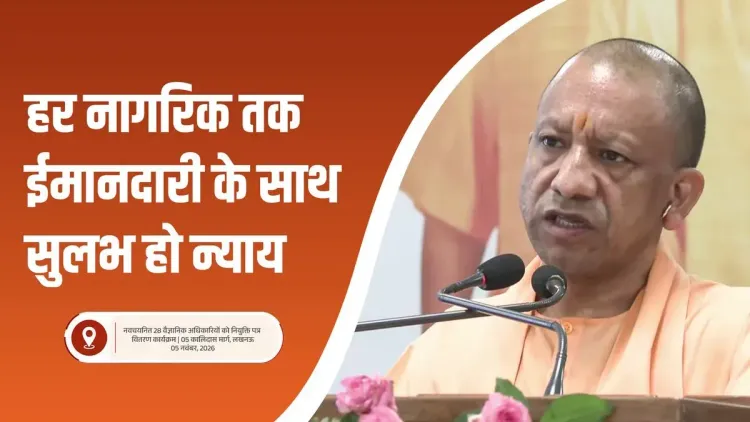
Chief Minister Yogi Adityanath on 5 November 2026 directed Uttar Pradesh's forensic officers to act as key partners in delivering honest justice, aligning the state's criminal justice machinery with India's 2024 mandate for forensic investigation in serious offences.
Key Takeaways
CM Yogi Adityanath on 5 November 2026 publicly called forensic officers a 'critical partner' in UP's justice delivery process.
India's Bharatiya Nagarik Suraksha Sanhita , effective July 2024 , makes forensic investigation mandatory for serious offences — giving forensic science a statutory role in criminal procedure for the first time.
The statement aligns with the Yogi government's consistent law-and-order reform agenda since 2017 , which has emphasised scientific evidence and improved conviction rates.
District-level forensic lab expansion and officer training in Uttar Pradesh are the key operational tests that will follow from the directive.
Forensic rigour protects both victims and the wrongly accused — CM Yogi framed the goal explicitly as 'honest justice' reaching every person.
Honest justice for every citizen — that is the standard Chief Minister Yogi Adityanath set for Uttar Pradesh's forensic officers on Thursday, 5 November 2026, placing scientific investigation at the heart of the state's criminal justice reform agenda.
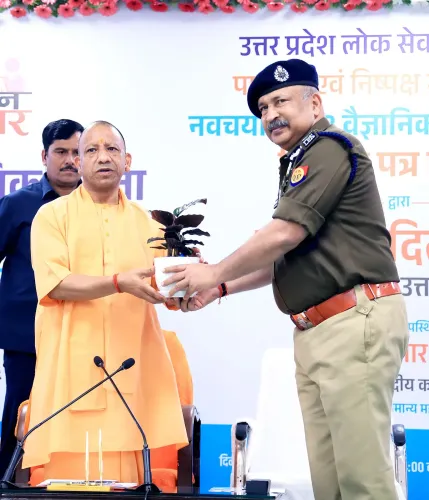
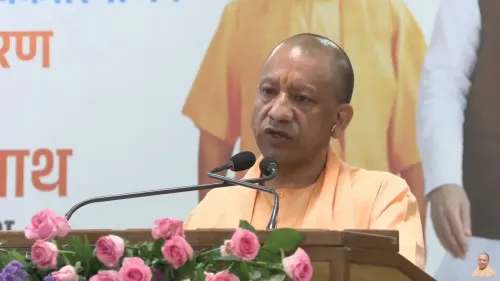
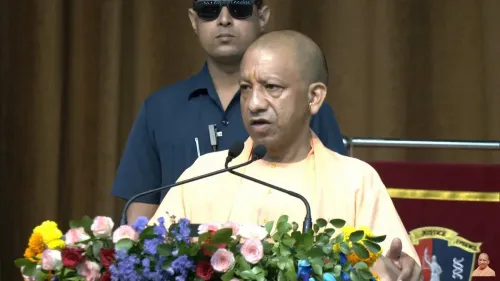
Speaking through the Chief Minister's Office account on X, CM Yogi stated: 'For honest justice to reach every person, forensic officers must fulfil their role as an important partner in the process of delivering justice.' The remark is a direct call to the state's forensic machinery to match the ambition of a legal system that is increasingly staking its credibility on evidence over assertion.
Why Forensics Now — The National Legal Shift Behind the Statement
The timing is not incidental. India's new criminal procedural law — the Bharatiya Nagarik Suraksha Sanhita, effective July 2024 — mandates forensic investigation for serious offences. For the first time, forensic science has a statutory footing in Indian criminal procedure, transforming forensic officers from optional experts into obligatory participants in serious criminal cases. What was once a support function is now a legal requirement. CM Yogi's statement signals that Uttar Pradesh intends to treat that mandate seriously.A Decade of Police Modernisation in UP — and Its Unfinished Chapter
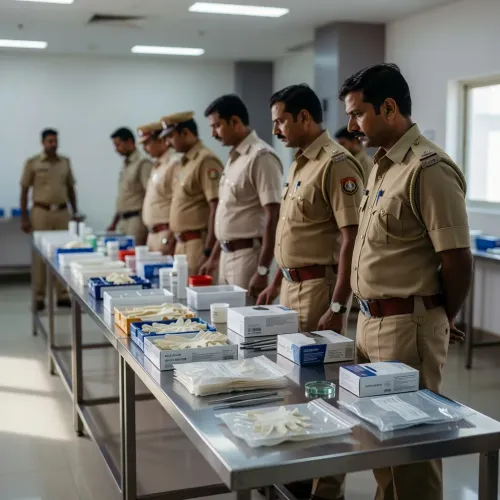
Since 2017, the Yogi administration has anchored its governance identity on law and order. Conviction rates, police response times, and the rollout of scientific investigation methods have been consistent administrative talking points. Pushing forensics into the mainstream of justice delivery is a logical extension of that arc — but it demands a parallel investment in infrastructure. District-level forensic laboratories, examiner training pipelines, and faster sample-to-report turnaround times are the unglamorous machinery that will determine whether Thursday's directive produces results in courtrooms. That rollout is what to watch.What It Means for the Accused — and for Victims
Forensic rigour cuts both ways, and that is precisely its value. A properly processed crime scene protects the innocent from wrongful conviction as surely as it builds an airtight case against the guilty. When CM Yogi frames forensics as a tool for imaandaari ke saath nyay — 'honest justice' — he is implicitly acknowledging that justice systems fail not only through corruption but through evidentiary sloppiness. That is a sharper diagnostic than most political statements on law and order tend to offer.Point of View
And a state government that has built its political brand on law-and-order delivery. By elevating forensic officers to 'partners in justice' rather than mere technical auxiliaries, the administration is nudging an institutional culture shift — one that courts and police alike will need to internalise. The real test is infrastructure: without district-level labs and trained examiners, the mandate is policy on paper. If Uttar Pradesh follows through with investment, it could set a replicable model for large states navigating the same transition under the new criminal laws.
NationPress
5 Nov 2026
Frequently Asked Questions
What did CM Yogi Adityanath say about forensic officers?
On 5 November 2026, CM Yogi Adityanath stated that forensic officers must fulfil their role as an important partner in the justice delivery process, so that honest justice reaches every person.
Why is forensic investigation now mandatory in India?
India's Bharatiya Nagarik Suraksha Sanhita, which came into effect in July 2024, legally mandates forensic investigation for serious offences — making it a statutory requirement in criminal procedure for the first time.
What has Uttar Pradesh done to improve law and order since 2017?
Since 2017, the Yogi Adityanath government has focused on police modernisation, scientific evidence use, and improving conviction rates as part of a broad law-and-order reform agenda.
What should we watch for after CM Yogi's forensic justice statement?
The key development to track is the rollout of expanded forensic laboratories and officer training programmes at the district level across Uttar Pradesh.
How does forensic science improve justice for ordinary citizens?
Rigorous forensic investigation builds evidence-based cases that can both secure convictions of the guilty and protect innocent people from wrongful prosecution, improving the overall fairness of the criminal justice system.