CM Yogi: UP trains 600+ cops in forensic science ahead of new laws
Synopsis
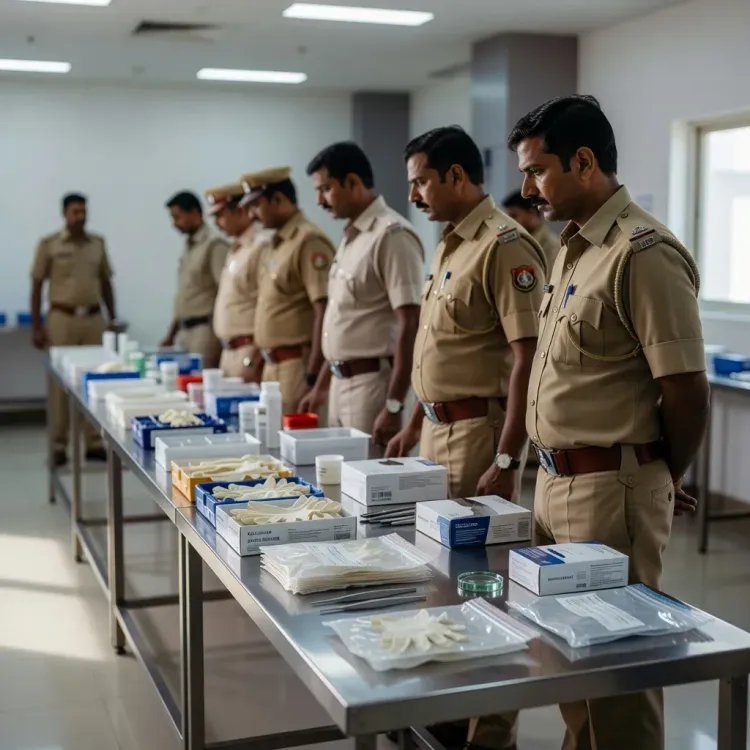
Uttar Pradesh has trained over 600 police officers in forensic evidence collection through UPSIFS, surpassing its 500-officer target set in response to the three new criminal laws that make forensic evidence mandatory for offences carrying seven or more years' imprisonment.
Key Takeaways
India's three new criminal laws — effective 1 July 2024 — mandate forensic evidence for all offences carrying a sentence of seven or more years .
Uttar Pradesh set an internal target of training 500 police officers in forensic evidence collection ahead of the laws' implementation.
The state has surpassed that target, with over 600 officers now trained through the UP State Institute of Forensic Science (UPSIFS) .
UPSIFS was established before the new criminal laws came into force , making UP one of the early-movers in forensic capacity building.
Chief Minister Yogi Adityanath cited the milestone as evidence of proactive, pre-emptive governance aligned with national criminal justice modernisation.
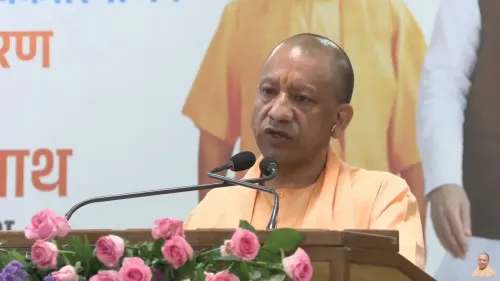
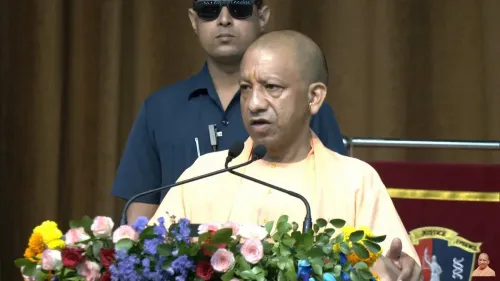
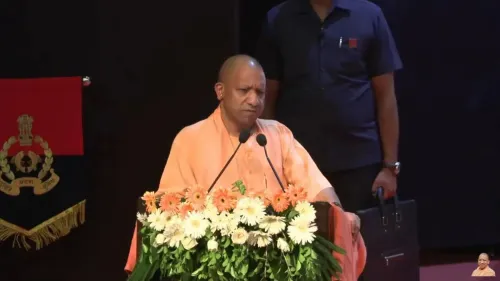
Before India's sweeping new criminal codes even took effect, Uttar Pradesh had already begun building the forensic backbone that those laws would demand — and on 5 November 2026, Chief Minister Yogi Adityanath's office announced the state has not just met its target, but surpassed it.
Quoting Chief Minister Yogi Adityanath directly, the post states: 'तीन नए आपराधिक कानूनों में स्पष्ट था कि सात वर्ष से ऊपर की किसी भी सजा के लिए फॉरेंसिक एविडेंस आवश्यक है।' ('The three new criminal laws made it clear that forensic evidence is mandatory for any offence carrying a sentence of more than seven years.') The government had set an internal target of 500 trained police officers. The final count: over 600.
What the new criminal laws actually demand
When Parliament passed the Bharatiya Nyaya Sanhita, the Bharatiya Nagarik Suraksha Sanhita, and the Bharatiya Sakshya Adhiniyam in December 2023 — replacing the colonial-era IPC, CrPC, and Indian Evidence Act — it inserted a binding scientific requirement: for any offence punishable by seven or more years, forensic evidence collection at the crime scene becomes mandatory. No forensics, potentially no conviction.
That single clause transformed the evidentiary standard for a large category of serious crimes, from assault and robbery to organised violence. It put enormous pressure on state police forces, most of which had no systematic forensic training pipeline in place. The laws came into force on 1 July 2024.
UPSIFS: UP's pre-emptive forensic strike
Uttar Pradesh's answer was the Uttar Pradesh State Institute of Forensic Science (UPSIFS), established before the new laws even cleared Parliament. The Chief Minister's office noted that the state had begun preparations proactively — 'नए कानून लागू होने से पहले ही' ('even before the new laws came into force') — recognising that training hundreds of field officers in evidence collection, preservation, and documentation could not be done overnight.
UPSIFS became the institutional vehicle for translating the new legal mandate into on-ground police capacity. The institute's training programme targeted hands-on forensic evidence collection: how to document, secure, and hand over evidence in a way that holds up under the new statutory standard.
600+ trained — and why the number matters
Clearing 600 officers past a target of 500 is not incidental. India's most populous state — and historically one of its most challenged in criminal justice outcomes — has made a verifiable, institution-backed investment in the machinery the new laws require. The broader national picture shows multiple states racing to build forensic infrastructure; UP is now signalling it crossed the finish line early.
The real test, however, comes in the courts. As conviction rates and case-disposal timelines under the new framework begin to accumulate, whether that training translates into watertight forensic evidence chains will tell the definitive story. For now, UP has the numbers — and an institute designed to keep producing them.
Point of View
The milestone feeds a broader political narrative around law-and-order modernisation in India's most electorally significant state. The 600-officer benchmark, however, is just an input metric; the deeper policy question is whether forensic evidence chains now being built will raise conviction rates in serious crime cases. That verdict will emerge from courtrooms, not press releases.
NationPress
5 Nov 2026
Frequently Asked Questions
What are the three new criminal laws in India?
The three new criminal laws are the Bharatiya Nyaya Sanhita, the Bharatiya Nagarik Suraksha Sanhita, and the Bharatiya Sakshya Adhiniyam. They replaced the colonial-era Indian Penal Code, Code of Criminal Procedure, and Indian Evidence Act respectively, and came into force on 1 July 2024.
Why is forensic evidence mandatory under the new criminal laws?
The new laws mandate forensic evidence collection at the crime scene for any offence that carries a punishment of seven or more years. This is intended to modernise India's criminal justice system and reduce dependence on confessions or unreliable testimony.
How many UP police officers have been trained in forensic evidence collection?
According to the Chief Minister's Office of Uttar Pradesh, over 600 police officers have been trained in forensic evidence collection through UPSIFS, exceeding the government's original target of 500 officers.
Which states are building forensic infrastructure for the new criminal laws?
Multiple states across India have accelerated forensic infrastructure development and police training to meet the evidentiary standards introduced by the 2024 criminal laws. Uttar Pradesh is among the early movers, having set up a dedicated institute before the laws even came into force.