SIR exercise a democratic tradition, not a new tactic: CM Fadnavis
Synopsis
Maharashtra CM Devendra Fadnavis went on the offensive on 5 October 2026, using an X post to frame the SIR as a constitutional routine with roots going back to 1952 — and to dismantle opposition claims linking the process to alleged 2024 election fraud. With the Thackeray brothers' 'Garjana Morcha' demanding a halt to the exercise, the electoral roll revision has become the newest flashpoint in Maharashtra's post-election political battle.
Key Takeaways
CM Devendra Fadnavis defended the Special Intensive Revision (SIR) of electoral rolls on 5 October 2026 , calling it a decades-old democratic practice.
Fadnavis listed multiple rounds of nationwide revisions dating back to 1952 , including overhauls in 1983–1984, 1987–1989, 1992, 1993, 1995, 2002, 2003, and 2004 .
The 'Garjana Morcha' by Uddhav Thackeray and Raj Thackeray had demanded scrapping of the SIR and a return to ballot-paper elections.
Fadnavis rejected demands to remove Chief Election Commissioner Gyanesh Kumar , noting Kumar took charge in 2025 — after the 2024 Maharashtra Assembly elections .
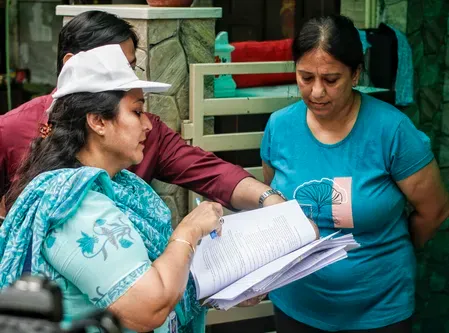
The SIR process includes door-to-door visits, Enumeration Form collection, record cleaning, and a public verification window.
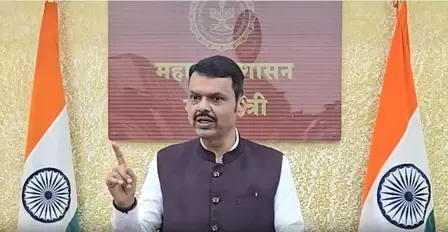
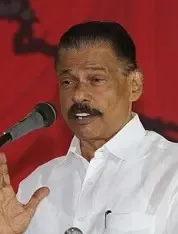
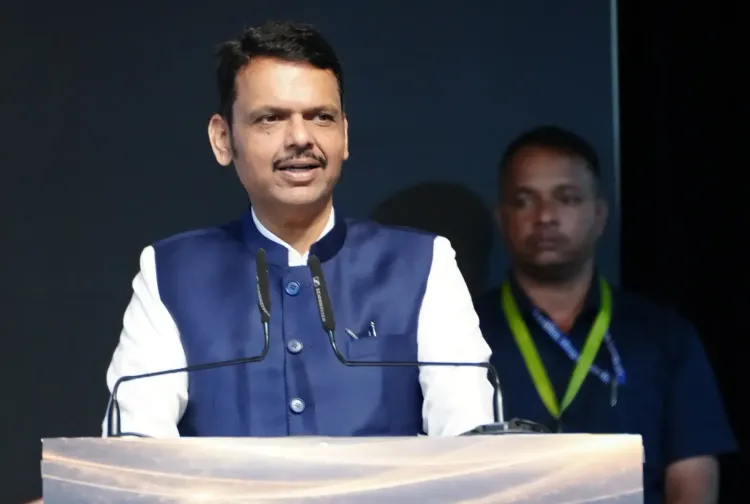
Maharashtra Chief Minister Devendra Fadnavis on Monday, 5 October 2026, mounted a spirited defence of the ongoing Special Intensive Revision (SIR) of electoral rolls, describing it as the natural continuation of a decades-long democratic tradition upheld by the Election Commission of India (ECI). Speaking through a post on X, Fadnavis argued that periodic intensive revisions are a constitutional necessity, not a political manoeuvre, aimed at preserving the foundational principle of 'One Citizen, One Vote.'
A Historical Precedent for Intensive Revisions
Fadnavis traced the lineage of intensive electoral roll revisions to the very beginning of India's democratic journey. He listed multiple rounds of nationwide overhauls: the first major revision conducted between 1952 and 1956 following India's early general elections; successive revisions in 1957, 1961, 1965, and 1966 to account for population growth and demographic shifts; door-to-door enumeration drives in 1983–1984, 1987–1989, 1992, 1993, and 1995 during periods of rapid political and social transition; and comprehensive voter list overhauls ahead of major polling cycles in 2002, 2003, and 2004.
'Over the past 20 years alone, millions of names have been added and deleted. Periodic, in-depth verification is essential so that no eligible citizen is excluded, and no illegal or duplicate entry remains,' Fadnavis said.
How the SIR Process Works
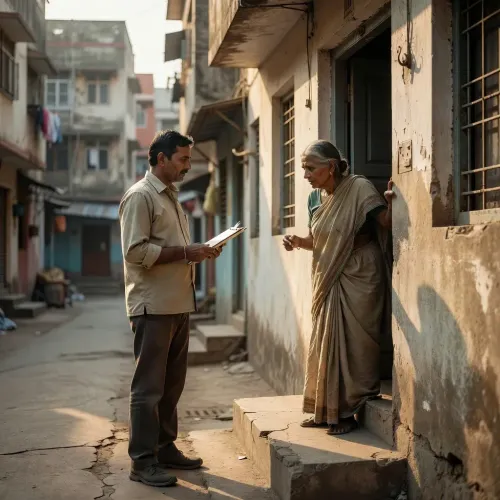
The Chief Minister outlined the operational steps that make the current SIR exercise both transparent and verifiable. These include door-to-door visits by enumerators to physically verify household voter data; distribution and collection of official Enumeration Forms; record cleaning to remove deceased voters and eliminate duplicate registrations; and a public verification window allowing citizens to correct address or spelling errors and submit updated credentials.
Fadnavis stressed that rapid urbanisation, frequent migration, the addition of newly eligible young voters, and unrecorded deaths continuously alter voter demographics — making periodic field-level verification indispensable.
Fadnavis Hits Back at the Thackeray Rally
The Chief Minister's post came a day after the 'Garjana Morcha' organised by Uddhav Thackeray and Raj Thackeray, which demanded the scrapping of the SIR in Maharashtra and a return to ballot-paper elections. Fadnavis launched a sharp counter-offensive, calling the rally an attempt to 'reclaim lost ground,' and noted that despite extensive publicity, turnout at the event was reportedly low.
He accused both leaders of redirecting public frustration at the Election Commission after, in his view, being rejected by voters. He also raised strong objections to their demand for the removal of Chief Election Commissioner Gyanesh Kumar, calling the allegation logically untenable.
The Timeline Argument Against Fraud Claims
Fadnavis offered a pointed rebuttal to opposition claims of electoral irregularities in the Maharashtra Assembly elections of 2024. He clarified that Gyanesh Kumar assumed the office of Chief Election Commissioner only in 2025, and the current SIR was conducted in 2026. 'How can a Chief Election Commissioner appointed in 2025 and an SIR conducted in 2026 possibly impact elections held in 2024?' he asked, questioning the internal logic of the opposition's allegations.
What This Means for Maharashtra's Electoral Process
The political battle over the SIR reflects a broader national debate about the integrity and inclusivity of electoral rolls at a time of rapid demographic change. The ECI's periodic revisions, while procedurally routine, carry significant political weight when they coincide with post-election grievances. As the SIR process continues across Maharashtra, the outcomes — particularly the scale of additions and deletions — are expected to draw sustained scrutiny from all sides.
Point of View
But it sidesteps the structural question of whether the ECI's current revision methodology is genuinely insulated from political pressure. Maharashtra's political class would be better served by an independent audit of SIR outcomes rather than a war of rallies and X posts.
NationPress
5 Oct 2026
Frequently Asked Questions
What is the Special Intensive Revision (SIR) of electoral rolls in Maharashtra?
The Special Intensive Revision (SIR) is a periodic exercise by the Election Commission of India to rebuild and verify electoral rolls from the ground up through door-to-door enumeration, form collection, record cleaning, and public verification. It aims to remove deceased voters and duplicate entries while ensuring all eligible citizens are registered.
Why are the Thackeray brothers opposing the SIR?
Uddhav Thackeray and Raj Thackeray organised the 'Garjana Morcha' demanding the scrapping of the SIR and a return to ballot-paper elections, alleging irregularities in the Maharashtra Assembly elections of 2024. CM Fadnavis dismissed these claims as politically motivated, noting that the officials they blame assumed their roles after the 2024 polls.
How does Fadnavis justify the SIR as a legitimate exercise?
Fadnavis cited a continuous record of nationwide intensive revisions dating back to 1952, including multiple rounds in the 1960s, 1980s, 1990s, and early 2000s. He argued that rapid urbanisation, migration, and demographic shifts make periodic deep-verification essential to uphold the principle of 'One Citizen, One Vote.'
What is the controversy around Chief Election Commissioner Gyanesh Kumar?
Opposition leaders have demanded the removal of Chief Election Commissioner Gyanesh Kumar, linking him to alleged irregularities. Fadnavis countered that Kumar became Chief Election Commissioner in 2025, while the Maharashtra Assembly elections were held in 2024, making it logically impossible for him to have influenced those results.
What are the key steps in the SIR process in Maharashtra?
The SIR involves four main steps: door-to-door visits by enumerators to verify household voter data; distribution and collection of official Enumeration Forms; record cleaning to remove deceased voters and eliminate duplicate registrations; and a public verification window for citizens to correct errors and update their credentials.