Delhi Cabinet clears PARIVARTAN scheme to replace 2 lakh old buses, trucks
Synopsis
Delhi's Cabinet has cleared a Central scheme that could pull more than 2 lakh old, polluting trucks and buses off NCR roads — replacing them with BS-VI or electric vehicles backed by a 100 per cent tax waiver, OEM discounts, and interest subvention. The catch: in Delhi, all new LGVs must be electric, setting a stricter bar than the Central scheme itself.
Key Takeaways
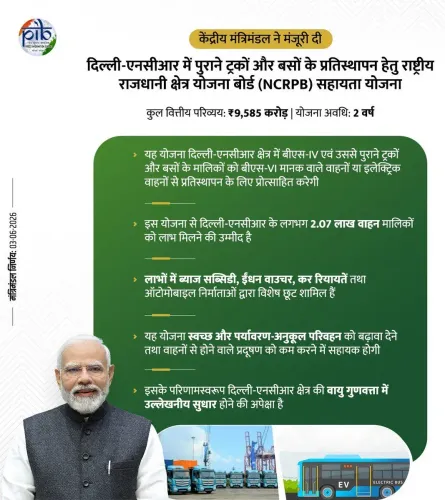
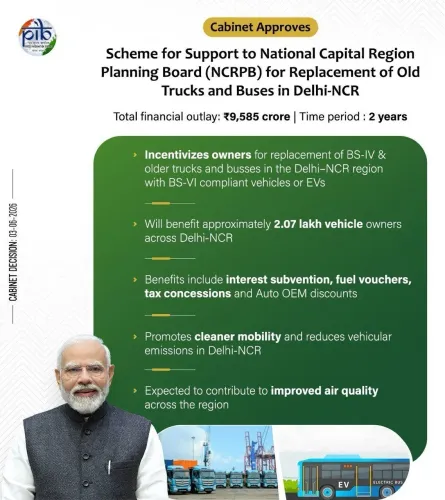
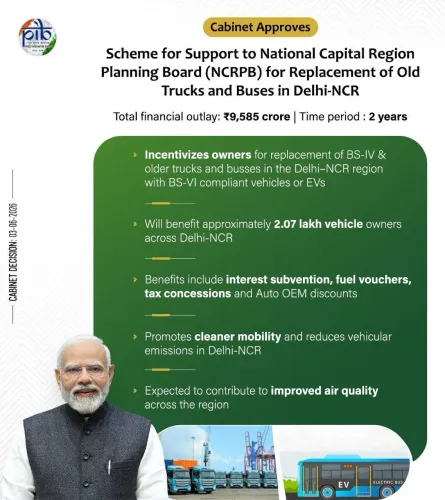
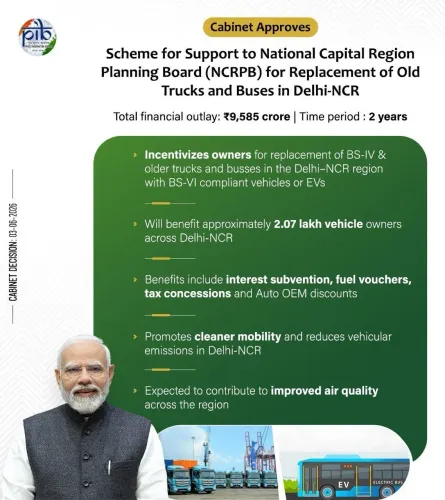
Delhi Cabinet approved the Central government's PARIVARTAN scheme on 20 July to phase out over 2.07 lakh old commercial vehicles in Delhi-NCR .
Scheme targets replacement of BS-IV or older trucks and buses with BS-VI , higher-emission-standard, or electric vehicles .
New electric LGV buyers in Delhi get a 100 per cent motor vehicle tax and registration fee exemption for 10 years , plus a 5 per cent interest subvention and 8 per cent OEM discount .
Delhi mandates that all new LGVs purchased under the scheme must be electric ; buses must be BS-VI CNG or electric .
BS-IV vehicles need not be scrapped — they may be sold in non-NCAP cities outside the NCR.
Eligible scrapped vehicles will also receive relief on outstanding road tax and fitness penalty dues pending over one year.
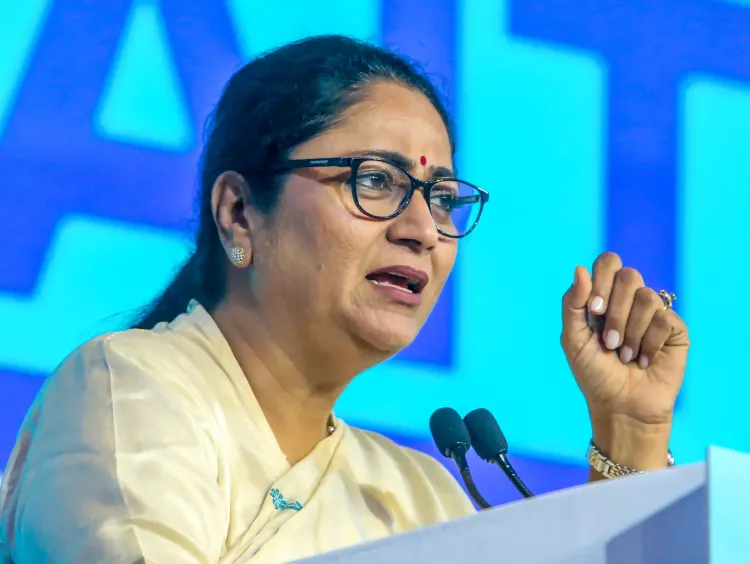
The Delhi Cabinet has approved the implementation of the Central government's PARIVARTAN scheme, greenlighting a plan to phase out more than 2 lakh old, high-emission trucks and buses across Delhi-NCR and replace them with BS-VI, higher-emission-standard, or electric vehicles. Chief Minister Rekha Gupta announced the Cabinet decision on Monday, 20 July, describing it as a decisive step toward cleaner commercial transport in the capital.
What PARIVARTAN Covers
PARIVARTAN — the Programme for Accelerated Renewal and Incentivisation of Vehicle Assets for Reducing Transport Air Pollution and Network Emissions — is a Union Ministry of Road Transport and Highways initiative. Its Delhi rollout targets approximately 2.07 lakh truck and bus owners registered in the Delhi-NCR region. The scheme applies simultaneously across all NCR states, with each state government providing concessions applicable to vehicles registered within its jurisdiction.
Notably, the Delhi government has added a stricter local condition: all Light Goods Vehicles (LGVs) purchased in Delhi under the scheme must be electric. For buses, only BS-VI CNG or electric variants will be permitted — a standard that goes beyond the Central scheme's baseline requirements.
Incentives for Vehicle Owners
Owners of BS-IV or older LGVs who scrap their vehicles and buy a new electric LGV will receive a 100 per cent exemption on motor vehicle tax and registration fees for 10 years, a 5 per cent interest subvention, an 8 per cent OEM discount, and fuel vouchers or a one-time equivalent benefit. Those opting for a used electric LGV instead will receive a 50 per cent tax exemption for 10 years, the 5 per cent interest subvention, and the fuel voucher benefit.
Owners of BS-IV or older Medium Goods Vehicles (MGVs) and Heavy Goods Vehicles (HGVs) who scrap and purchase new BS-VI or electric goods vehicles are eligible for a 100 per cent motor vehicle tax exemption for 10 years, a 100 per cent registration fee waiver, a 5 per cent interest subvention, an 8 per cent OEM discount, and fuel vouchers. Buyers of used BS-VI or electric goods vehicles receive a 50 per cent tax exemption, the interest subvention, and the fuel voucher benefit.
Old BS-IV and older buses are also covered, but replacement is restricted to BS-VI CNG or electric buses, with the same benefit structure as goods vehicles. Additionally, eligible scrapped vehicles will receive relief on outstanding road tax and fitness penalty dues pending for more than one year.
The Non-NCAP Provision
The scheme includes a notable flexibility clause: BS-IV vehicles covered under PARIVARTAN do not necessarily have to be scrapped. They may instead be sold in non-NCAP cities — cities outside the National Clean Air Programme (NCAP) and outside the NCR — allowing owners an alternative exit route that recovers some residual vehicle value.
Why This Matters for Delhi's Air Quality
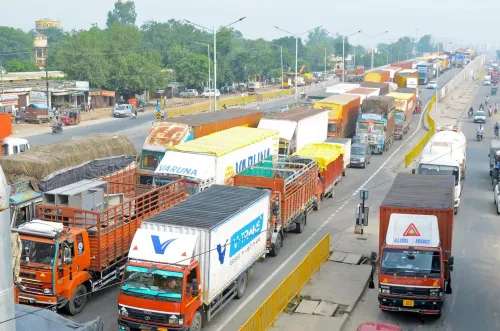
Delhi consistently ranks among India's most polluted cities, with transport emissions accounting for a significant share of its PM2.5 and NOx load. Old commercial vehicles — particularly pre-BS-IV trucks and buses — are disproportionate contributors to roadside pollution. This is the first large-scale, incentive-backed fleet modernisation push in the capital under the current administration. Chief Minister Gupta said the scheme will strengthen Delhi's clean transport infrastructure while simultaneously modernising the commercial vehicle fleet. The scheme's success will hinge on uptake rates among small fleet operators, many of whom cite upfront financing costs as the primary barrier to vehicle replacement.
Point of View
OEM discounts, and interest subvention rather than relying on a single lever. But the scheme's real test will be penetration among small operators — the segment that owns the oldest, most polluting vehicles and is least able to absorb even subsidised upgrade costs. Delhi's insistence on electric-only for new LGVs is an ambitious overlay that could stall uptake if charging infrastructure in industrial and freight corridors does not keep pace. The non-NCAP resale clause is pragmatic but risks displacing pollution rather than eliminating it.
NationPress
20 Oct 2026
Frequently Asked Questions
What is the PARIVARTAN scheme approved by the Delhi Cabinet?
PARIVARTAN stands for Programme for Accelerated Renewal and Incentivisation of Vehicle Assets for Reducing Transport Air Pollution and Network Emissions. It is a Union Ministry of Road Transport and Highways scheme, now approved for Delhi implementation, that incentivises owners of BS-IV or older commercial vehicles to scrap them and replace them with BS-VI, higher-emission-standard, or electric vehicles. The Delhi Cabinet cleared it on 20 July, with Chief Minister Rekha Gupta announcing the decision.
How many vehicles does the PARIVARTAN scheme cover in Delhi-NCR?
The scheme is expected to benefit approximately 2.07 lakh truck and bus owners registered in the Delhi-NCR region. It targets old, high-emission commercial vehicles — including Light Goods Vehicles, Medium Goods Vehicles, Heavy Goods Vehicles, and buses — that are BS-IV or older.
What financial incentives are available under PARIVARTAN for Delhi vehicle owners?
Owners who scrap a BS-IV or older vehicle and buy a new electric LGV receive a 100 per cent exemption on motor vehicle tax and registration fees for 10 years, a 5 per cent interest subvention, an 8 per cent OEM discount, and fuel vouchers. MGV, HGV, and bus owners replacing with new BS-VI or electric vehicles get the same package. Buyers of used eligible vehicles receive a 50 per cent tax exemption, the interest subvention, and the fuel voucher benefit.
Does Delhi require electric vehicles specifically under PARIVARTAN?
Yes. The Delhi government has set a stricter local condition: all new LGVs purchased in Delhi under the scheme must be electric. For buses, only BS-VI CNG or electric vehicles are permitted. This goes beyond the Central scheme's baseline, which also allows BS-VI higher-emission-standard vehicles.
Do old BS-IV vehicles have to be scrapped under the PARIVARTAN scheme?
Not necessarily. The scheme allows BS-IV vehicles covered under PARIVARTAN to be sold in non-NCAP cities — those outside the National Clean Air Programme and outside the NCR — as an alternative to scrapping. Additionally, eligible vehicles that are scrapped will receive relief on outstanding road tax and fitness penalty dues pending for more than one year.