Delhi Chief Minister Engages with Gig Workers and Farmers Ahead of Budget 2026-27
Synopsis
Delhi CM Rekha Gupta's consultations with gig workers and farmers aim to shape the Budget 2026-27 to reflect the diverse needs of the community. Stakeholders voiced critical demands for improved working conditions, agricultural support, and infrastructure enhancements.
Key Takeaways
Public participation is crucial for effective governance.
Gig workers demand social security and better working conditions.
Farmers seek improvements in agricultural infrastructure .
Recognizing gig workers as employees is a key proposal.
Enhancements in EV infrastructure are necessary for sustainable transport.
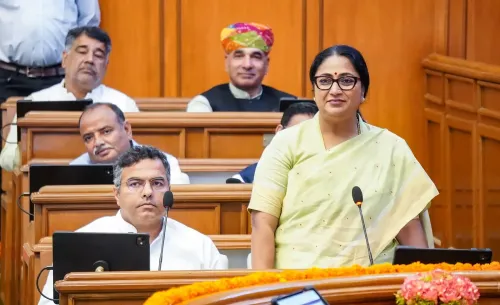
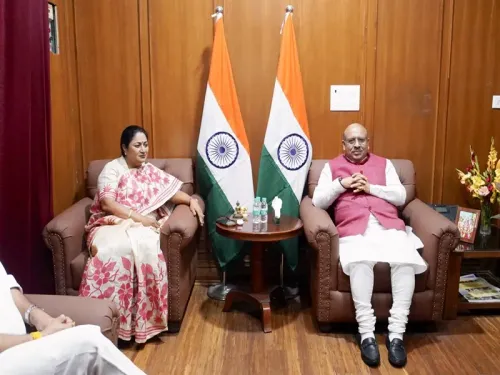
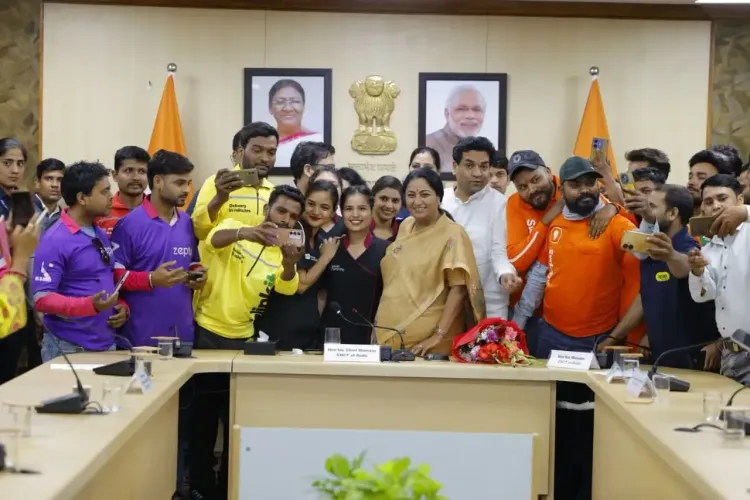
New Delhi, March 19 (NationPress) In an effort to tailor the Budget 2026-27 to cater to the diverse needs of the population, Delhi's Chief Minister, Rekha Gupta, conducted extensive discussions at the Delhi Secretariat on Thursday. These meetings included gig workers, farmers, representatives from rural areas, and various labor organizations.
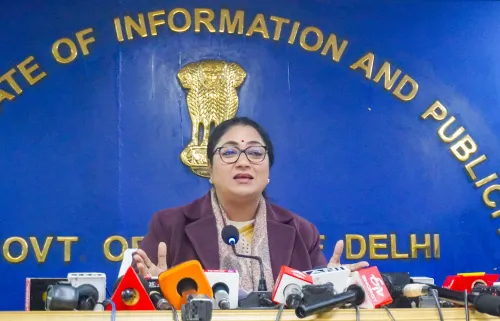
“Community engagement is the cornerstone of a thriving Delhi,” stated the Chief Minister as she held distinct sessions with each stakeholder group, allowing participants to share their experiences while voicing their concerns, suggestions, and expectations, as reported by an official statement.
The Chief Minister actively engaged with the attendees, attentively listening and assuring them that their feedback would be prioritized in the forthcoming budget.
She emphasized that the government's ambition is to present a Budget that embodies the aspirations of every segment of society.
Present at the discussions were Labour Minister Kapil Mishra and Delhi Gram Vikas Board Chairman Rajkumar Chauhan.
During the consultations, gig workers and drivers highlighted the necessity for robust policies aimed at enhancing working conditions and ensuring social security.
A significant demand was the establishment of adequate and secure parking facilities for drivers. They also advocated for the expansion of EV infrastructure and subsidies for women purchasing electric vehicles, as per the statement.
On the topic of social security, participants urged for the inclusion of gig workers in provident fund schemes and health insurance.
Several representatives proposed recognizing gig workers as ‘employees’ instead of ‘partners’ and suggested the formation of a dedicated task force to protect their interests and address their issues, the statement noted.
Other requests included creating rest areas for drivers and workers, increasing the availability of public toilets, and implementing practical reforms in traffic regulations.
Participants also pointed out inconsistencies between central and state labor laws, urging for their alignment to ensure that benefits reach the workforce effectively, according to the statements.
Farmers and rural representatives outlined a comprehensive list of requests aimed at bolstering agricultural infrastructure.
These requests included enhancements to irrigation systems, development of rural roads, and reforms in mandi operations. They also stressed the importance of improving basic village facilities such as drainage, sanitation, drinking water, and electricity, as per the statement.
Farmers sought formal acknowledgment of their status in Delhi and called for agricultural subsidies and incentive programs. Issues regarding land pooling policies and consolidation (chakbandi) were also discussed, with recommendations to make these frameworks more favorable and effective for farmers.
Additionally, they requested a survey to update the circle rates for agricultural land, create fair compensation systems, and improve land development policies. Other demands included electricity subsidies, enhanced drinking water supply, and the revival of agricultural mandis to guarantee fair pricing for produce.
To enhance their financial stability, farmers requested greater access to Kisan Credit Cards, streamlined access to loans for tractors and farming equipment, and the removal of barriers to loan approval.
They also emphasized the effective implementation of crop insurance programs and the necessity for training initiatives to introduce modern agricultural practices and boost productivity, as stated.
Point of View
It's evident that engaging with various stakeholder groups is essential. The input gathered from gig workers and farmers emphasizes the need for robust policies and infrastructure improvements, reflecting a focused approach to inclusive governance.
NationPress
20 Sept 2026
Frequently Asked Questions
What was the purpose of the consultations held by the Delhi CM?
The consultations aimed to gather input from gig workers, farmers, and rural representatives to shape the Budget 2026-27 according to their needs and expectations.
What key issues did gig workers raise during the consultations?
Gig workers emphasized the need for better working conditions, social security measures, and adequate parking facilities.
What demands did farmers present during the meetings?
Farmers requested improvements in agricultural infrastructure, irrigation, and formal recognition of their status, along with various subsidy programs.
Who participated in the discussions alongside the Chief Minister?
Labour Minister Kapil Mishra and Delhi Gram Vikas Board Chairman Rajkumar Chauhan were present at the consultations.
What are Kisan Credit Cards?
Kisan Credit Cards are financial tools that provide farmers with easy access to credit for agricultural needs.