Delhi Metro stations fully reopen after protest-linked closures on 12 October
Synopsis
For the second time in three days, Delhi Metro shuttered stations across the heart of the capital — this time six key hubs from 6 am to 4 pm — as the Congress-led INDIA bloc marched toward the Supreme Court. With 45 stations closed just days earlier for a CJP protest, the frequency of Metro disruptions is becoming a flashpoint for commuters and civil liberties advocates alike.
Key Takeaways
DMRC restored full operations at all Delhi Metro stations on Monday evening, 12 October 2026 , around 5 pm .
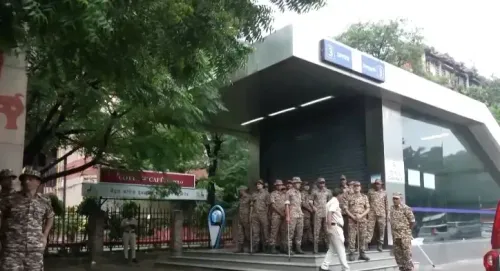
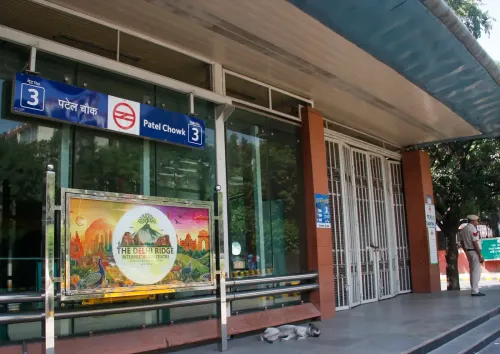
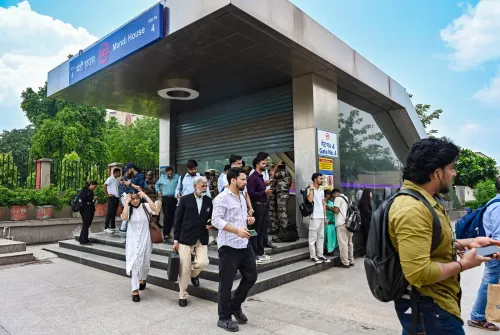
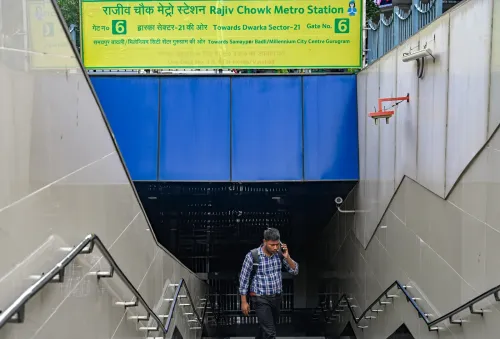
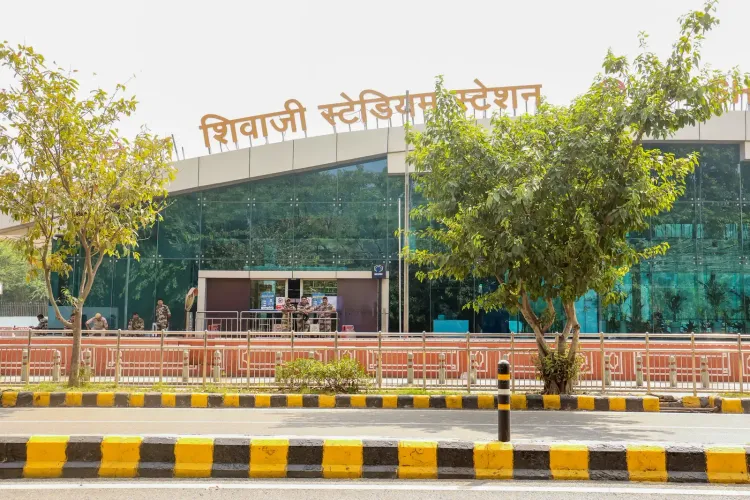
Six central Delhi stations — Rajiv Chowk , Central Secretariat , Patel Chowk , Janpath , Mandi House , and Barakhamba Road — were closed from 6 am to 4 pm .
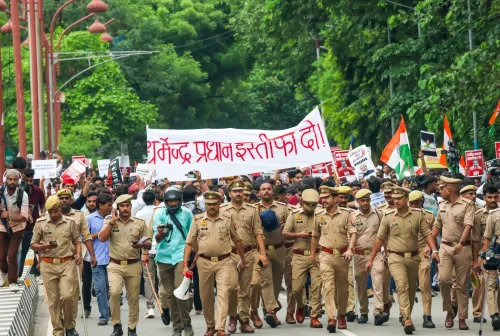
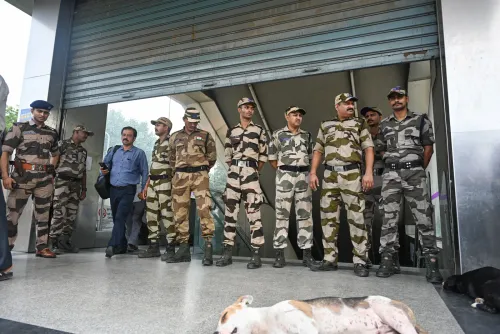
Closures were imposed citing security concerns ahead of a Congress -led INDIA bloc protest march towards the Supreme Court .
Interchange facilities remained available at all six affected stations throughout the closure period.
The disruption came two days after 45 Metro stations were shut for a separate Cockroach Janta Party (CJP) protest.
All entry and exit gates across the Delhi Metro network were restored to full operation on Monday evening, 12 October 2026, after a day of intermittent closures triggered by security concerns ahead of a protest march in Central Delhi. The Delhi Metro Rail Corporation (DMRC) confirmed the resumption in a post on social media platform X around 5 pm.
What DMRC Announced
In its evening update, the DMRC stated: 'Entry and exit gates of all Metro Stations of the Delhi Metro network are now open. The interchange facility at all the concerned Metro stations is also available.' The announcement brought an end to restrictions that had been in place since early morning.
Which Stations Were Affected
Six stations in central Delhi had their entry and exit facilities suspended from 6 am to 4 pm: Rajiv Chowk, Central Secretariat, Patel Chowk, Janpath, Mandi House, and Barakhamba Road. Interchange facilities, however, remained operational at all six stations throughout the closure period.
Why the Closures Were Imposed
The DMRC cited security concerns as the reason for the restrictions, noting that the Congress-led INDIA bloc had planned a protest march towards the Supreme Court. In its morning advisory, the corporation warned commuters that stations on the network could be 'temporarily closed intermittently' and urged them to track official DMRC social media channels and the website for real-time updates.
Broader Pattern of Protest-Linked Disruptions
Monday's closures came just two days after authorities shut down as many as 45 Metro stations in connection with a separate protest organised by the Cockroach Janta Party (CJP). The back-to-back disruptions have renewed debate about the frequency with which Metro access — a critical daily lifeline for millions of Delhi commuters — is curtailed during political demonstrations. Notably, the DMRC clarified that security agencies would continue to review the situation and issue further updates if necessary, leaving open the possibility of future restrictions tied to ongoing political activity in the capital.
With all stations now operational, commuter services on the Delhi Metro network have returned to normal, though the situation will continue to be monitored by security agencies in the days ahead.
Point of View
With costs borne almost entirely by ordinary commuters rather than political actors. Closing six stations at the heart of the capital — including the busiest interchange at Rajiv Chowk — for ten hours raises questions about proportionality that security justifications alone do not settle. This is the second such mass closure in three days, suggesting a pattern rather than an exception. If DMRC closures become a standard response to political gatherings, the burden falls disproportionately on working-class Delhi residents who depend on the Metro and cannot simply reschedule their day.
NationPress
12 Oct 2026
Frequently Asked Questions
Why were Delhi Metro stations closed on 12 October 2026?
The DMRC suspended entry and exit at six central Delhi stations from 6 am to 4 pm on 12 October 2026, citing security concerns ahead of a protest march by the Congress-led INDIA bloc towards the Supreme Court. Interchange facilities continued to operate at all affected stations during this period.
Which Metro stations were closed during the protest?
The six stations affected were Rajiv Chowk, Central Secretariat, Patel Chowk, Janpath, Mandi House, and Barakhamba Road — all in central Delhi. Passengers could still use interchange facilities at these stations even when entry and exit gates were shut.
When did Delhi Metro fully reopen on 12 October?
The DMRC announced the restoration of all entry and exit gates across its network at around 5 pm on Monday, 12 October 2026. The closures had been in effect since 6 am that morning.
Were there other recent Metro closures linked to protests in Delhi?
Yes. Just two days before the 12 October closures, authorities shut down as many as 45 Metro stations in connection with a protest organised by the Cockroach Janta Party (CJP). Back-to-back disruptions have raised concerns about the growing frequency of protest-linked Metro restrictions.
What should Delhi Metro commuters do during such closures?
The DMRC advises commuters to monitor its official social media channels and website for real-time updates during any closures. Interchange facilities typically remain available even when entry and exit at specific stations are suspended.