Delhi EV Policy 2026: ₹7.91 crore in incentives disbursed to 2,700+ residents
Synopsis
Just 100 days into its launch, Delhi's EV Policy 2026 has processed nearly 7,800 applications and pushed out ₹7.91 crore in incentives — with two-wheelers leading the charge. The early numbers signal real public demand, but the true test will be whether disbursement velocity can keep pace as applications continue to pile up ahead of Delhi's peak pollution season.
Key Takeaways
The Delhi EV Policy 2026 has disbursed ₹7.91 crore in incentives since its launch on 1 July 2026 . ₹7.61 crore was given as purchase incentives to 2,707 beneficiaries ; ₹29.50 lakh as scrapping incentives to 79 beneficiaries .
A total of 7,782 applications were received by 8 October 2026 , of which 7,706 are for two-wheelers.
Four-wheeler owners received the larger share of scrapping disbursements by value — ₹24 lakh across 24 beneficiaries .
The policy also offers a 100% waiver on road tax and registration fees for eligible EVs.
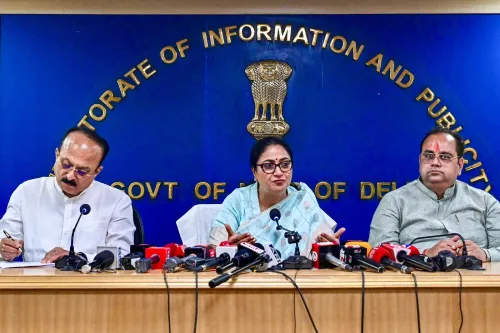
The Delhi EV Policy 2026 has disbursed ₹7.91 crore in vehicle purchase and scrapping incentives to more than 2,700 residents since its launch on 1 July 2026, according to an official statement released on Sunday, 11 October. The figures mark the first detailed progress report on the policy, which aims to accelerate the shift to electric mobility and combat the capital's chronic air pollution.
Key Disbursement Figures
Of the total amount disbursed, ₹7.61 crore was released as purchase incentives to 2,707 beneficiaries, while ₹29.50 lakh was paid as scrapping incentives to 79 beneficiaries. In all, 7,782 incentive applications were received between the policy's launch and 8 October 2026, with the overwhelming majority — 7,706 applications — filed by two-wheeler owners.
Who Is Applying and Who Is Benefiting
Two-wheelers dominate the applicant pool, accounting for 7,706 of 7,782 total applications, including 116 scrapping incentive applications. The data also includes six applications for N1-category trucks — vehicles with a gross vehicle weight of up to 3.5 tonnes — of which one falls under the scrapping category. Additionally, 70 applications have been filed for e-car scrapping incentives.
Within the scrapping component, 55 two-wheeler beneficiaries received ₹5.50 lakh, while 24 four-wheeler beneficiaries received ₹24 lakh — making the four-wheeler segment the larger share of scrapping disbursements by value, despite being a smaller share by volume.
What the Policy Offers
The Delhi EV Policy 2026 provides a combination of financial and regulatory incentives to speed up EV adoption. These include direct purchase incentives for new EVs, scrappage bonuses when eligible older vehicles are retired, and a 100 per cent waiver on road tax and registration fees for qualifying electric vehicles. The policy is framed as a structural intervention to reduce vehicular emissions in one of the world's most polluted capital cities.
'The policy aims to promote the adoption of electric vehicles through purchase incentives and encourage the scrapping of eligible vehicles on purchase of new EVs,' the official statement noted, adding that the figures represent an overview of implementation 'during the initial period following the policy's commencement.'
Broader Context and What Comes Next
This comes amid Delhi's recurring struggle with hazardous air quality, particularly in the October-to-February period when stubble burning from neighbouring states compounds vehicular and industrial emissions. The EV push is part of a wider suite of pollution-control measures that the city government has pursued over recent years, including odd-even road rationing and restrictions on diesel vehicles. Notably, the current policy's early application data — with nearly 8,000 applications in roughly 100 days — suggests demand is substantial, though disbursement pace will be the more meaningful indicator of real-world uptake over the coming months. The Delhi government said it remains committed to the policy's effective implementation, with a continued focus on expanding clean transport options across the capital.
Point of View
But context matters: ₹7.91 crore across 2,700-plus beneficiaries in a city of 20 million is a start, not a shift. Two-wheelers dominating applications reflects affordability constraints — the average Delhiite can more plausibly switch a scooter than a car. The real inflection point will come when four-wheeler and commercial vehicle adoption numbers move meaningfully, which will require both higher incentive ceilings and a denser charging network. Delhi's pollution season is now underway; the government's ability to accelerate disbursements in the next 60 days will signal whether this policy is operationally ready to scale or still in a pilot-pace mode.
NationPress
11 Oct 2026
Frequently Asked Questions
What is the Delhi EV Policy 2026?
The Delhi EV Policy 2026 is the Delhi government's initiative to accelerate electric vehicle adoption by offering purchase incentives, scrappage bonuses, and a 100% waiver on road tax and registration fees for eligible EVs. It was launched on 1 July 2026 to address vehicular air pollution in the capital.
How much has been disbursed under the Delhi EV Policy 2026 so far?
As of 8 October 2026, ₹7.91 crore has been disbursed — ₹7.61 crore in purchase incentives to 2,707 beneficiaries and ₹29.50 lakh in scrapping incentives to 79 beneficiaries. A total of 7,782 applications have been received since the policy launched.
Who is eligible for incentives under the Delhi EV Policy 2026?
Two-wheeler and four-wheeler owners, as well as owners of N1-category trucks (up to 3.5 tonnes), are eligible for either purchase incentives when buying a new EV or scrapping incentives when retiring an older vehicle. The policy also covers e-car scrapping applications.
Why are two-wheelers dominating the applications?
Of the 7,782 applications received, 7,706 are from two-wheeler owners, reflecting the fact that electric two-wheelers are more affordable and accessible for the majority of Delhi's residents compared to electric cars or commercial vehicles.
What other benefits does the Delhi EV Policy 2026 offer besides cash incentives?
Beyond direct purchase and scrapping incentives, the policy offers a 100% waiver on road tax and registration fees for eligible electric vehicles, further lowering the total cost of EV ownership for Delhi residents.