Delhi PPP model: MoUs signed to revamp spaces under flyovers
Synopsis
Delhi has signed MoUs to turn garbage-strewn, encroached spaces under flyovers into green community zones — with private firms picking up both the cost and long-term maintenance. The 2.5-km Deepali-to-Mangolpuri stretch and a two-acre green belt on Mathura Road are the first test cases of this PPP-driven urban reset.
Key Takeaways
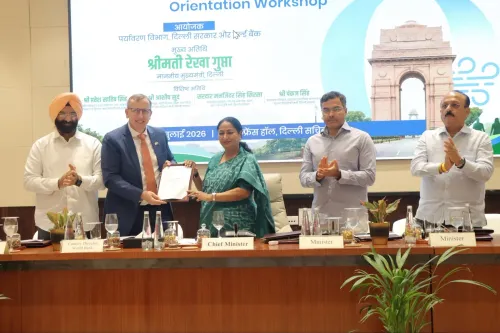
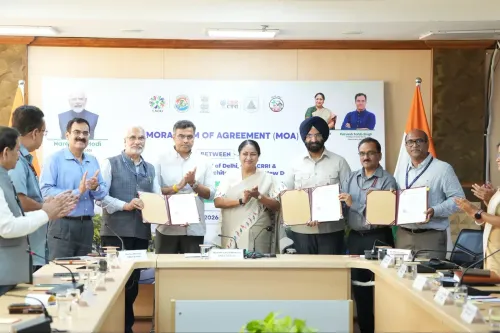
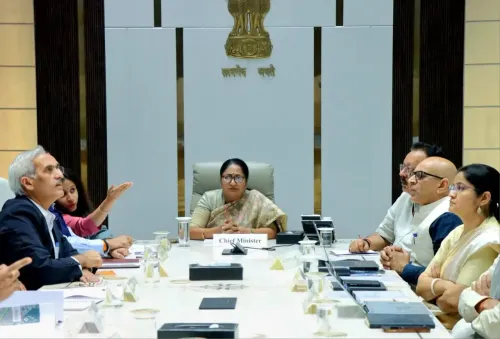
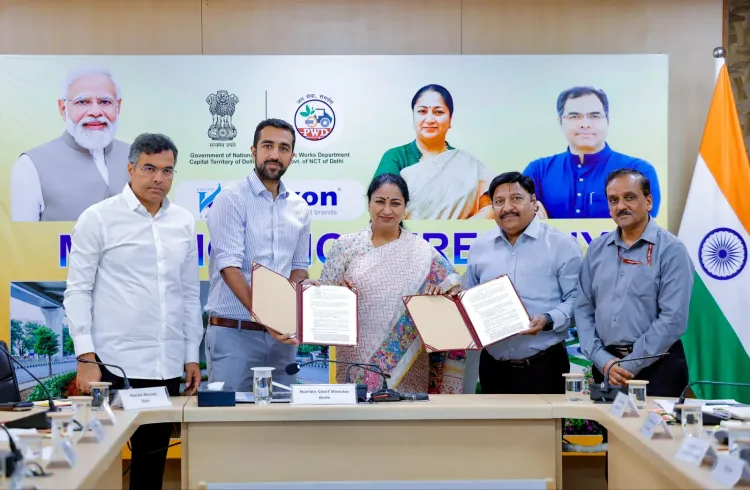
Delhi CM Rekha Gupta oversaw the signing of MoUs between Delhi PWD and two private partners on Monday, 31 August .
Dixon Technologies and Vrikshit Foundation will develop a 2.5-km community space from Deepali to Mangolpuri Market beneath a flyover.
Artwork will be created on 61 flyover pillars , covering around 5,100 square metres .
Kanodia Group will develop and maintain approximately two acres of green belt along Mathura Road and MP Road under a CSR initiative.
Current issues in these spaces include garbage dumping, unauthorised slums, and roadside encroachments, according to the official statement.
Delhi Chief Minister Rekha Gupta on Monday presided over the signing of memoranda of understanding (MoUs) aimed at transforming neglected urban spaces — particularly those beneath flyovers — through a public-private partnership (PPP) model. The agreements were executed between the Delhi government's Public Works Department (PWD) and two private entities, according to an official statement.
What the MoUs Cover
The partnership is designed to convert underutilised and often encroached spaces under and around flyovers into clean, green, safe, and functional public areas. The initiative will address cleanliness, greenery, beautification, pedestrian access, safety, and environmental awareness simultaneously, Chief Minister Gupta stated.
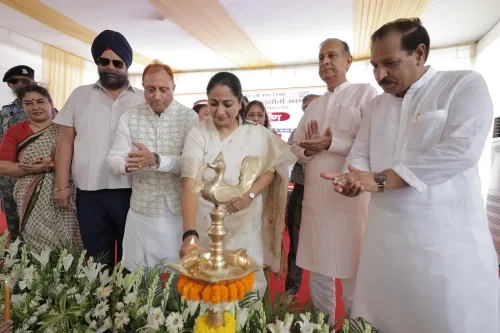
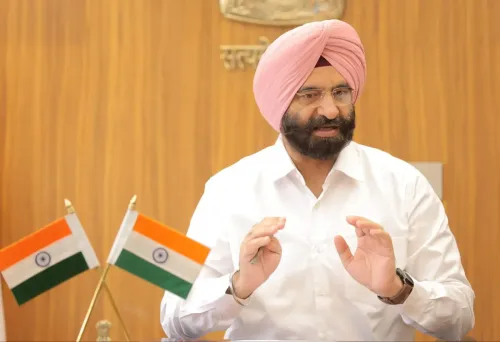
Delhi PWD Minister Parvesh Verma, senior departmental officials, and other dignitaries were present at the signing ceremony.
Key Projects on the Ground
Under a joint initiative by Dixon Technologies and Vrikshit Foundation, a 2.5-km stretch beneath the flyover from Deepali to Mangolpuri Market will be developed into community spaces. The project includes fencing along the entire stretch, environment-friendly mural paintings and artworks on 61 flyover pillars covering approximately 5,100 square metres, and organised greenery using local plant species, grasses, shrubs, and flowering plants.
Separately, the Kanodia Group, under a corporate social responsibility (CSR) initiative, will undertake the development and long-term maintenance of approximately two acres of green belt along Mathura Road and MP Road.
The Problem These Spaces Present
According to the official statement, the areas currently suffer from garbage dumping, unauthorised slums, roadside encroachments, and unplanned usage — all of which degrade greenery, cleanliness, safety, and the visual character of the surrounding neighbourhoods. These are among the most visible urban blight spots in the capital.
This comes amid a broader push by the Delhi government to leverage private investment for civic infrastructure that public budgets alone have struggled to maintain. Notably, the PPP model shifts long-term maintenance responsibility to corporate partners, reducing the burden on the PWD.
What the Government Said
Chief Minister Gupta described a clean, green, and beautiful Delhi as 'a collective responsibility of the government, society and the private sector.' She added that the government is actively encouraging PPP arrangements to convert neglected city spaces into 'better, safer, attractive and environment-friendly public spaces for citizens.'
With guidelines in place and MoUs signed, execution timelines and monitoring mechanisms will be the next critical test for this urban renewal push.
Point of View
The Delhi government is effectively outsourcing what public works departments have failed to deliver. The real question is accountability: without independent monitoring and public reporting of milestones, these MoUs risk becoming photo-op documents. Delhi has seen beautification drives before — what distinguishes this one will be whether the pillars are still painted and the green belts still watered two years from now.
NationPress
31 Aug 2026
Frequently Asked Questions
What are the MoUs signed by the Delhi government for flyover spaces?
The MoUs are agreements between the Delhi PWD and two private entities — a joint initiative by Dixon Technologies and Vrikshit Foundation, and a CSR project by Kanodia Group — to transform neglected spaces under and around flyovers into clean, green, and safe public areas. They were signed on 31 August under the oversight of Chief Minister Rekha Gupta.
Which areas will be covered under the flyover beautification project?
The Dixon Technologies and Vrikshit Foundation project covers a 2.5-km stretch beneath the flyover from Deepali to Mangolpuri Market. The Kanodia Group will develop approximately two acres of green belt along Mathura Road and MP Road.
What work will be done on the flyover pillars?
Environment-friendly mural paintings and artworks on environmental themes and clean energy will be created on 61 flyover pillars, covering an area of around 5,100 square metres, according to the official statement.
Why are these flyover spaces being redeveloped?
The spaces currently suffer from garbage dumping, unauthorised slums, roadside encroachments, and unplanned use, which degrade greenery, cleanliness, safety, and the overall appearance of the surrounding areas. The PPP initiative aims to address all these issues simultaneously.
What is the role of private companies in this initiative?
Private companies are responsible for both the development and long-term maintenance of the spaces under the PPP and CSR frameworks. This shifts upkeep obligations away from the government's PWD and toward corporate partners, according to officials.