Delhi HC declines urgent hearing on Kshatriya Karni Sena protest plea
Synopsis
The Delhi High Court refused to fast-track a plea by the Kshatriya Karni Sena after Delhi Police denied permission for a 20 September protest at Jantar Mantar against UGC equity regulations — regulations that the Supreme Court has already partly stayed over ambiguity concerns. The case sits at the intersection of protest rights, police discretion, and a contested higher-education policy.
Key Takeaways
Delhi High Court declined urgent listing of Kshatriya Karni Sena 's plea on 16 September 2026 .
Upadhyaya directed the petition be auto-listed on Thursday after procedural defects are cured.
The Sena sought permission for a peaceful protest at Jantar Mantar on 20 September from 10 a.m. to 5 p.m. against UGC (Promotion of Equity in Higher Education Institutions) Regulations, 2026 .
Delhi Police had previously denied a 6 September protest citing BRICS Summit preparations.
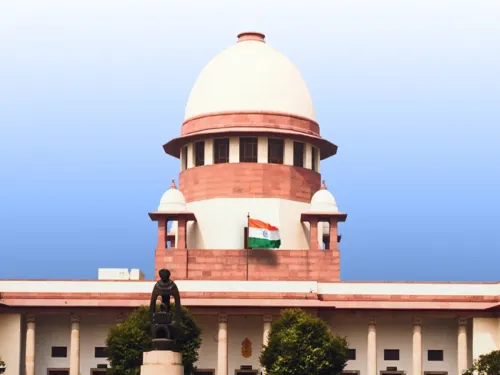
The Supreme Court has kept certain provisions of the UGC regulations in abeyance, noting ambiguities and risk of misuse.
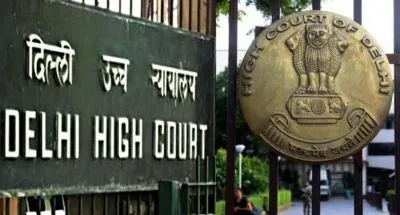
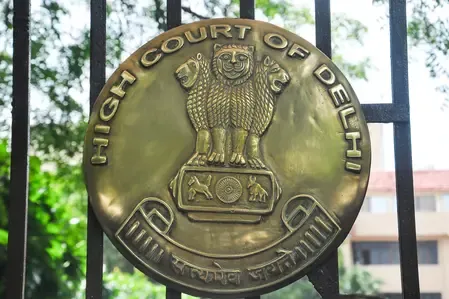
The Delhi High Court on Wednesday, 16 September 2026, declined to urgently hear a plea filed by the Kshatriya Karni Sena challenging the Delhi Police's refusal to permit a protest at Jantar Mantar on 20 September against the University Grants Commission (UGC) regulations. The matter was mentioned before Chief Justice D.K. Upadhyaya, who indicated the petition would be taken up in the ordinary course once procedural defects in it were cured.
What the Court Said
Chief Justice Upadhyaya stated that the plea would be auto-listed on Thursday once the defects were rectified, declining to accord it any out-of-turn priority. The bench did not comment on the merits of the petition at this stage.
Background to the Dispute
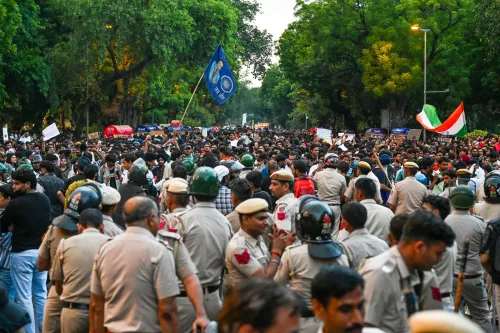
Counsel for the petitioner, Kshatriya Karni Sena President Dr Raj Shekhawat, submitted that permission had initially been granted for the proposed demonstration scheduled for 20 September, but the Delhi Police subsequently communicated that the protest could not proceed on that date. The planned demonstration — a peaceful sit-in at Jantar Mantar from 10 a.m. to 5 p.m. — was organised in opposition to reservation policies and the recently notified UGC (Promotion of Equity in Higher Education Institutions) Regulations, 2026.
Earlier Court Directions
On 7 September, a single-judge bench of Justice Swarana Kanta Sharma had directed the Delhi Police to decide, by 14 September, a fresh application from the Sena seeking permission for the 20 September protest. Justice Sharma had also directed Dr Shekhawat to submit a fresh application after the organisation shifted the proposed protest date. The court had clarified that appropriate conditions could be imposed by the competent authority in accordance with law.
Why the Permission Was Denied
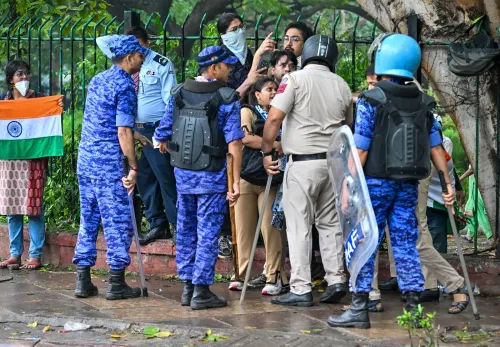
The Delhi Police had earlier denied permission for a separate protest planned for 6 September, citing security preparations for the BRICS Summit. The fresh denial for the 20 September date has not been publicly explained in detail, according to available information.
The UGC Regulations at Issue
The Kshatriya Karni Sena has been demanding withdrawal of the UGC (Promotion of Equity in Higher Education Institutions) Regulations, 2026. The organisation has relied upon a Supreme Court order in which certain provisions of the regulations were kept in abeyance, after the apex court identified ambiguities and noted the possibility of their misuse. The dispute reflects a broader national debate over reservation and equity frameworks in higher education, and the legality of the UGC regulations remains a live question before the courts.
The matter is expected to come up before the Delhi High Court on Thursday, 17 September, once the petition's defects are cured.
Point of View
But the underlying dispute is not. Delhi Police has now denied permission for two consecutive proposed protests by the same organisation — first citing the BRICS Summit, now without a clearly articulated public reason. That pattern deserves scrutiny: police discretion over protest permissions is constitutionally bounded, and sequential denials without transparent reasoning can shade into a de facto veto on assembly. Add to that the Supreme Court's own misgivings about the UGC regulations at the centre of the protest, and the question becomes whether administrative convenience is being used to insulate a contested policy from public pressure.
NationPress
16 Sept 2026
Frequently Asked Questions
Why did the Delhi High Court refuse to urgently hear the Kshatriya Karni Sena's plea?
The Delhi High Court declined urgent listing because the petition had procedural defects that needed to be cured first. Chief Justice D.K. Upadhyaya directed that the matter would be auto-listed in the ordinary course on Thursday once those defects were rectified.
What is the Kshatriya Karni Sena protesting against?
The Kshatriya Karni Sena is protesting against the UGC (Promotion of Equity in Higher Education Institutions) Regulations, 2026, and broader reservation policies. The organisation has demanded withdrawal of the regulations, which the Supreme Court has partly stayed over concerns about ambiguities and potential misuse.
Why did Delhi Police deny permission for the 20 September protest?
The specific reason for denying permission for the 20 September protest has not been publicly detailed. An earlier protest planned for 6 September was denied permission by Delhi Police citing preparations for the BRICS Summit.
What did the Delhi High Court previously direct on this matter?
On 7 September, a single-judge bench of Justice Swarana Kanta Sharma directed Delhi Police to decide, by 14 September, a fresh application seeking permission for the 20 September demonstration. The court also allowed appropriate conditions to be imposed in accordance with law.
What is the status of the UGC Regulations 2026 before the Supreme Court?
The Supreme Court has kept certain provisions of the UGC (Promotion of Equity in Higher Education Institutions) Regulations, 2026 in abeyance after identifying ambiguities in them and noting the possibility of their misuse. The matter remains under judicial consideration.