Delhi Police busts cyber fraud rings: 6 arrested, ₹1.59 crore in complaints linked
Synopsis
Delhi Police's Outer North District cracked four separate cyber fraud networks in one coordinated sweep — busting a 70-account mule ring, a 187-SIM card dealer, a bank account seller, and an APK fraud operator who alone channelled ₹3.73 crore. With 125 NCRP complaints totalling ₹1.59 crore linked to the cases and over ₹1.12 crore already refunded to victims, the operations expose the layered supply chain that keeps India's cyber fraud ecosystem running.
Key Takeaways
Delhi Police arrested six accused across four separate cyber fraud operations in the Outer North District .
The networks collectively arranged 70 mule bank accounts , procured 187 fraudulent SIM cards , and sold three bank accounts for ₹20,000 .
A total of 125 NCRP complaints involving approximately ₹1.59 crore have been linked to the investigations.
Accused Sourav , arrested in Jalandhar , allegedly handled ₹3.73 crore in fraud proceeds via an APK-based network; a bakery factory and car are under investigation. ₹74.94 lakh refunded via the MRM portal; ₹1.12 crore refunded directly to complainants in the covered cases.
Police are still searching for Vicky Chauhan and associates linked to the Hyderabad-based network.
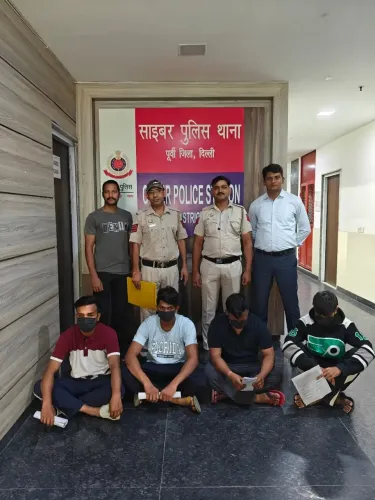
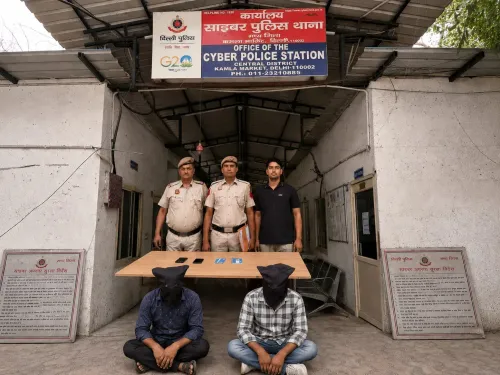
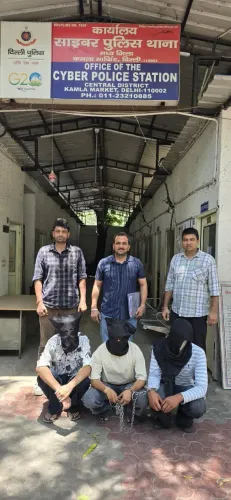
Delhi Police's Cyber Crime Police Station in the Outer North District has dismantled multiple cyber fraud networks in four separate operations, arresting six accused for running mule bank account rackets, fraudulent SIM card procurement schemes, and an APK-based cyber fraud module. A total of 125 National Cybercrime Reporting Portal (NCRP) complaints, involving approximately ₹1.59 crore, have been linked to the combined investigations.
Four Operations, Six Arrests
The crackdown unfolded across four distinct cases, each targeting a different layer of the cyber fraud supply chain — from account mules and SIM card dealers to handlers of stolen digital financial credentials.
In the first case, registered under FIR No. 39/2026, police arrested Devendra alias Sachin, 19, on 24 October 2026. Investigations revealed that he and an associate, Mohit, allegedly lured residents of Shahbad Dairy into opening bank accounts under the pretext of insurance benefits and monetary gains. The duo then collected banking kits and supplied the accounts to a suspected cybercrime network reportedly operating from Hyderabad. Approximately 70 bank accounts were arranged, with the accused retaining around 10 per cent as commission. Mohit is currently lodged in Tihar Jail in a separate case. Nine NCRP complaints involving approximately ₹14.51 lakh are linked to this case.
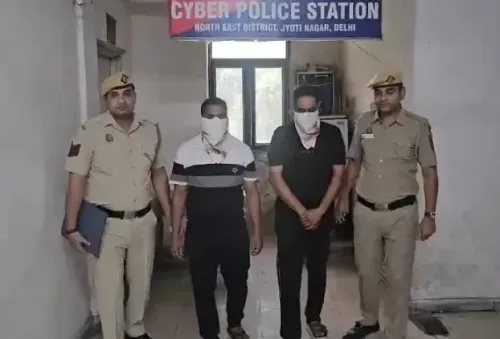
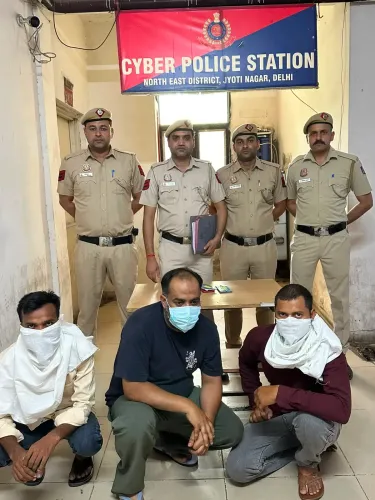
In the second case, three accused — Atul, Sameer alias Sam, and Pankaj — were arrested for allegedly running a fraudulent SIM card network. Atul, described as a telecom dealer, allegedly used customers' photographs and documents to obtain additional SIM cards without their knowledge and sold them to associates for approximately ₹1,500 each. Around 187 SIM cards were allegedly procured through this method in 2026. The network has been linked to 114 NCRP complaints involving approximately ₹1.40 crore.
Mule Accounts Sold, APK Fraud Network Exposed
The third operation led to the arrest of Sumit, who allegedly sold three bank accounts to an associate, Vicky Chauhan, for ₹20,000. Two cyber fraud cases involving approximately ₹4.5 lakh have been traced through this investigation. Police are actively searching for Chauhan and other suspected associates.
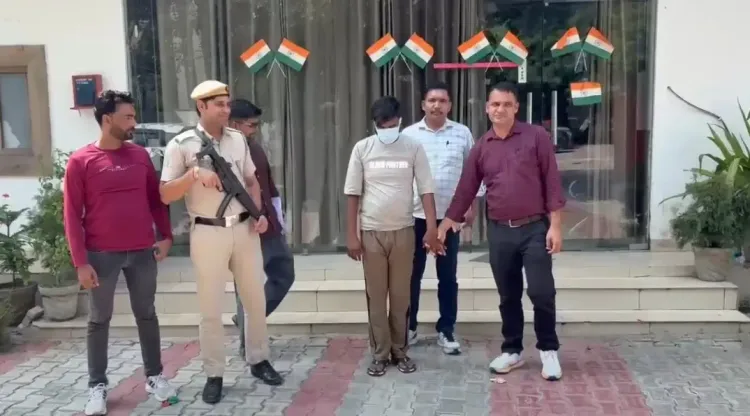
The fourth and most complex case involved the arrest of Sourav in Jalandhar, Punjab, on 18 August 2026, for alleged involvement in an APK-based cyber fraud network. His mobile phone was found to contain details of 124 bank account and card entries — including 29 bank accounts, 85 debit/credit cards, and 10 masked cards. According to police, Sourav handled approximately ₹3.73 crore in cyber fraud proceeds through online gold purchases, gift cards, and credit card payments. A 500-square-yard bakery factory and a car, allegedly acquired from the proceeds, are currently under investigation. Sourav reportedly has eight previous involvements in cybercrime cases.
Seizures and Victim Refunds
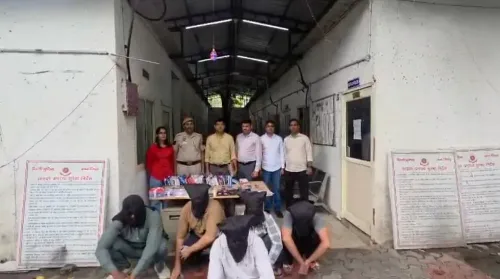
During the four operations, police seized eight mobile phones, eight ATM cards, seven cheque books, two passbooks, a POS device, a pocket router, ₹10,030 in cash, and a Yamaha R15M motorcycle.
Notably, ₹74.94 lakh has been refunded to cyber fraud victims through the MRM portal, while ₹1.12 crore has been refunded to complainants directly linked to these investigations — a relatively swift recovery that underscores the scale of coordinated law enforcement response.
Context: Delhi's Growing Cyber Fraud Threat
The operations reflect a broader national pattern where mule bank accounts and pre-activated SIM cards have become the primary infrastructure enabling cyber fraud at scale. Fraudsters routinely use these assets to route stolen funds and evade tracing. This comes amid growing pressure on telecom operators and banks to implement stronger know-your-customer (KYC) safeguards. The NCRP — India's centralised cybercrime complaint registry — has seen complaint volumes surge in recent years, with financial cyber fraud accounting for a significant and growing share.
With Chauhan and other associates still at large, investigators are expected to expand the probe to trace upstream operators — particularly the Hyderabad-linked network flagged in the first case.
Point of View
Corner-store SIM dealers, and APK handlers are the low-cost infrastructure that keeps large-scale financial crime running. The fact that a single accused in Jalandhar was sitting on 124 card and account entries and had eight prior cybercrime involvements suggests systemic recidivism that police action alone will not solve. The more durable fix lies upstream — with banks and telecom providers who must answer for how 70 accounts and 187 SIM cards moved through their KYC processes undetected. Victim refunds of ₹1.12 crore are a positive signal, but they represent a fraction of the ₹1.59 crore linked to complaints, and the Hyderabad network connection remains unresolved.
NationPress
3 Nov 2026
Frequently Asked Questions
What cyber fraud networks did Delhi Police bust in these operations?
Delhi Police dismantled four networks: a mule bank account ring that arranged 70 accounts, a fraudulent SIM card operation that procured 187 SIMs, a bank account selling racket, and an APK-based cyber fraud module. Six people were arrested across the four cases, with 125 NCRP complaints worth ₹1.59 crore linked to the investigations.
How were mule bank accounts used in the fraud?
Accused Devendra alias Sachin and associate Mohit allegedly lured residents of Shahbad Dairy into opening accounts by promising insurance benefits, then collected the banking kits and sold them to a suspected cybercrime network in Hyderabad. The accused retained about 10 per cent of proceeds as commission.
What was the APK-based fraud network and who was involved?
Accused Sourav, arrested in Jalandhar on 18 August 2026, allegedly used an APK-based method to collect banking credentials, accumulating details of 124 bank accounts and cards on his phone. He reportedly channelled approximately ₹3.73 crore in fraud proceeds through gold purchases, gift cards, and credit card payments.
How much money has been refunded to cyber fraud victims in these cases?
According to Delhi Police, ₹74.94 lakh was refunded to fraud victims through the MRM portal, and ₹1.12 crore was refunded to complainants directly linked to the four investigations.
Are any suspects still at large in these cases?
Yes — police are actively searching for Vicky Chauhan, who allegedly purchased three bank accounts from arrested accused Sumit for ₹20,000, as well as other suspected associates. The Hyderabad-based network linked to the mule account case also remains under investigation.