Naya Safar Yojana: Delhi to replace old trucks, buses in ₹9,585 crore push
Synopsis
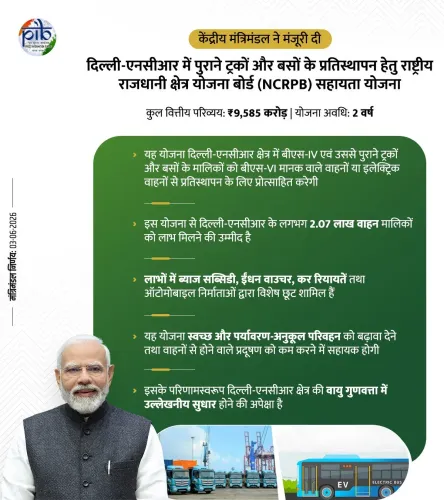
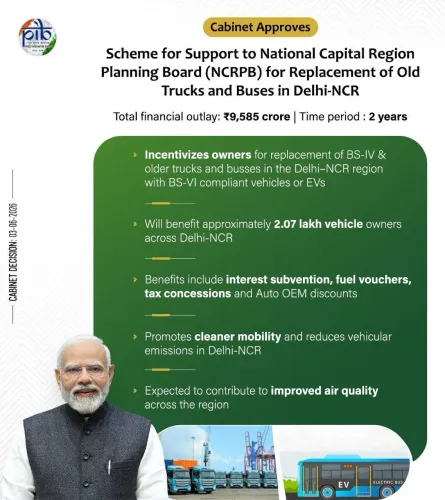
Delhi has moved to implement the Centre's ₹9,585 crore Naya Safar Yojana — one of the most ambitious commercial vehicle fleet overhauls in NCR history. With 2.07 lakh truck and bus owners in scope, 100% motor vehicle tax waivers on the table, and a mandate for EVs on Light Goods Vehicles in Delhi, the scheme is a serious policy bet on cutting vehicular pollution at scale.
Key Takeaways
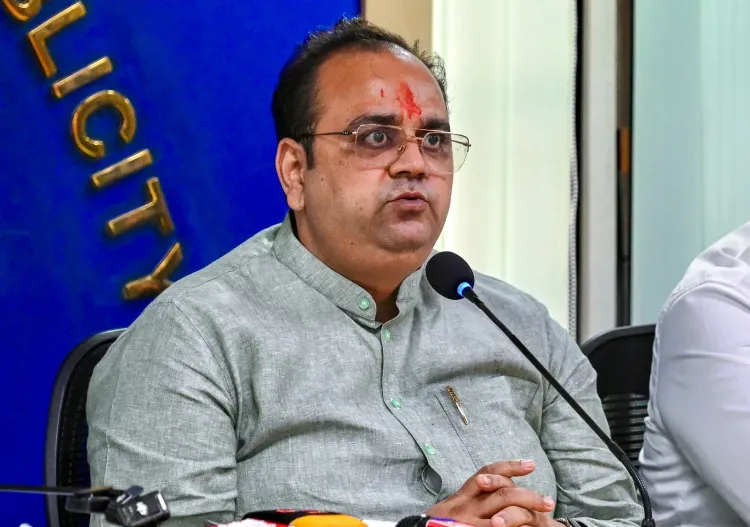
Delhi Transport Minister Pankaj Kumar Singh announced implementation of Naya Safar Yojana on 13 July .
Total scheme outlay is ₹9,585 crore ; the Centre contributes ₹5,041 crore via NCRPB .
Targets owners of BS-IV and older commercial vehicles, covering nearly 2.07 lakh truck and bus owners across Delhi-NCR.
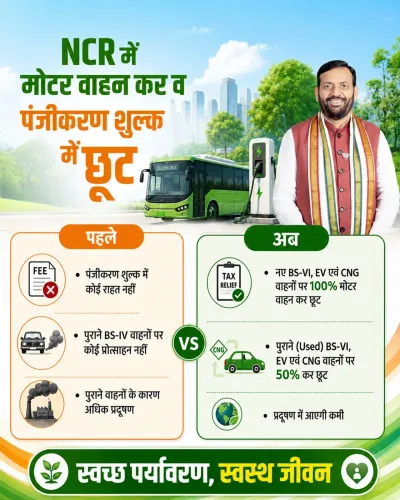
Delhi will offer a 100% Motor Vehicle Tax concession on new eligible vehicles and 50% on used vehicles, both for 10 years .
Light Goods Vehicles bought under the scheme in Delhi must be Electric Vehicles ; buses must be BS-VI CNG or Electric .
The scheme runs for two years via a fully digital Naya Safar Portal with automated benefit disbursal.
Delhi Transport Minister Pankaj Kumar Singh on Monday, 13 July announced that the Rekha Gupta-led Delhi government has begun implementing the Centre's 'Naya Safar Yojana' — a ₹9,585 crore scheme to phase out ageing, high-pollution commercial vehicles across Delhi-NCR and replace them with cleaner alternatives. The initiative, backed by the Ministry of Road Transport and Highways (MoRTH), targets owners of BS-IV and older trucks and buses, encouraging voluntary fleet modernisation across the National Capital Region.
What the Scheme Covers
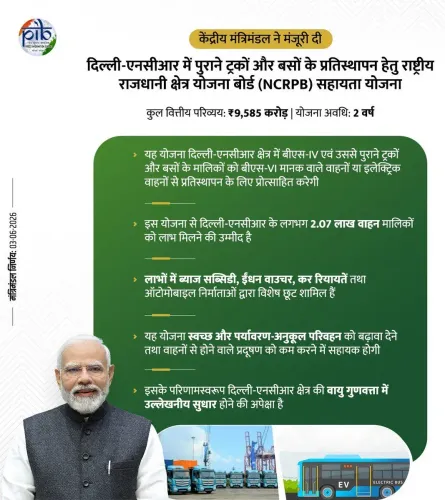
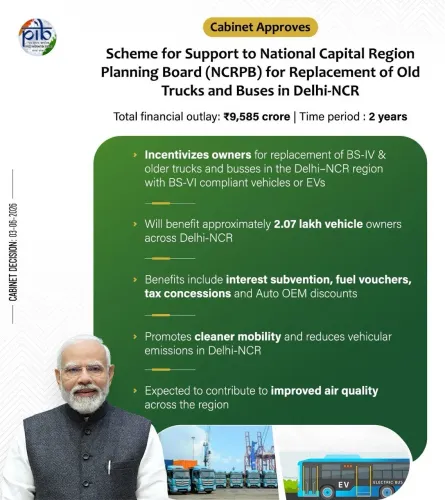
The Naya Safar Yojana aims to replace polluting commercial vehicles with BS-VI emission-compliant vehicles and Electric Vehicles (EVs). The Central Government is contributing ₹5,041 crore through the National Capital Region Planning Board (NCRPB) under the Ministry of Housing and Urban Affairs, as part of the total ₹9,585 crore outlay.
Central incentives include interest subvention, fuel vouchers or one-time EV benefits, and discounts from participating vehicle manufacturers. Delhi-specific provisions go further: Light Goods Vehicles purchased under the scheme must be Electric Vehicles, while buses must be BS-VI CNG or Electric Vehicles.
Financial Benefits for Vehicle Owners
The Government of NCT of Delhi will extend a 100 per cent Motor Vehicle Tax concession for eligible new vehicles and a 50 per cent concession for eligible used vehicles, both valid for 10 years. The scheme also provides for waiver of registration fees and pending road tax and fitness penalty liabilities for eligible vehicles.
The scheme is expected to benefit nearly 2.07 lakh private truck and bus owners across Delhi-NCR, while promoting scientific scrapping of old commercial vehicles through Registered Vehicle Scrapping Facilities.
How It Will Be Implemented
The scheme will run through a fully digital Naya Safar Portal, enabling real-time eligibility verification, automated benefit disbursal, and end-to-end monitoring. It will remain open for eligible beneficiaries for a period of two years.
'The implementation of the Naya Safar Yojana represents a significant step towards replacing ageing, highly polluting commercial vehicles with cleaner BS-VI and electric alternatives,' Singh said. He added that the initiative 'strengthens Delhi's larger vision of clean mobility, environmental sustainability and improved public health.'
Why It Matters for Delhi-NCR
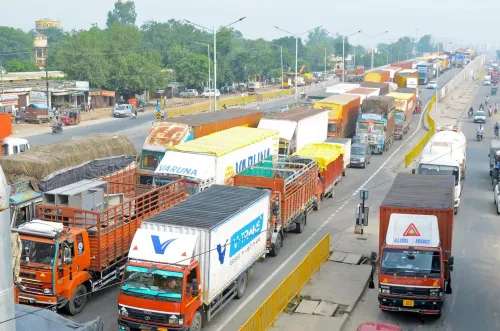
Vehicular pollution remains one of the most persistent contributors to Delhi's chronic air quality crisis. Old commercial vehicles — particularly pre-BS-IV trucks and buses — disproportionately contribute to particulate matter and nitrogen oxide emissions. This scheme represents one of the more structured financial attempts to accelerate fleet turnover, combining Centre-state coordination with scrappage-linked incentives rather than relying solely on regulatory mandates.
Notably, this initiative arrives as Delhi-NCR continues to face scrutiny over its air quality index during winter months, and as the broader push for EV adoption in commercial transport gains policy momentum nationwide. The scheme's two-year window and digital-first delivery model will be closely watched as a template for other urban agglomerations.
Point of View
Interest subvention, scrappage benefits — with a digital delivery mechanism that reduces leakage. The real test, however, is uptake: voluntary fleet modernisation schemes in India have historically struggled to reach small, debt-laden transport operators who cannot front the cost of a new vehicle even with incentives. The two-year window is tight for 2.07 lakh beneficiaries. Whether the Naya Safar Portal can actually disburse benefits at scale — rather than becoming another under-utilised government gateway — will determine if this is a genuine air-quality intervention or a well-structured announcement that stalls at execution.
NationPress
12 Oct 2026
Frequently Asked Questions
What is the Naya Safar Yojana?
Naya Safar Yojana is a Central government scheme, implemented through NCRPB under MoRTH, to replace old BS-IV and earlier commercial vehicles with BS-VI or Electric Vehicles across Delhi-NCR. It carries a total outlay of ₹9,585 crore and is expected to benefit around 2.07 lakh truck and bus owners.
What financial benefits do vehicle owners get under Naya Safar Yojana?
Eligible owners in Delhi receive a 100% Motor Vehicle Tax concession on new vehicles and 50% on used vehicles for 10 years, plus waiver of registration fees and pending road tax and fitness penalties. Central incentives include interest subvention, fuel vouchers or one-time EV benefits, and manufacturer discounts.
Who is eligible for the Naya Safar Yojana in Delhi-NCR?
Private owners of BS-IV and older trucks and buses operating in Delhi-NCR are eligible. Special Delhi-specific rules apply: Light Goods Vehicles must be replaced with Electric Vehicles, and buses must be BS-VI CNG or Electric Vehicles.
How long will the Naya Safar Yojana be open for applications?
The scheme will remain open for eligible beneficiaries for two years from its launch. Applications and benefit disbursal will be handled through the fully digital Naya Safar Portal.
How much is the Centre contributing to the Naya Safar Yojana?
The Central Government is contributing ₹5,041 crore out of the total ₹9,585 crore outlay, channelled through the National Capital Region Planning Board (NCRPB) under the Ministry of Housing and Urban Affairs.