Peyjal Samvad 12th edition: Collectors push JJM 2.0 rural water rollout
Synopsis
At the 12th Peyjal Samvad, District Collectors from across India reviewed the JJM 2.0 rollout — and the Centre's push to hand completed schemes to gram panchayats via Jal Arpan signals a shift from construction targets to community ownership. Six districts from MP to Andaman showcased models the rest of the country is now being asked to follow.
Key Takeaways
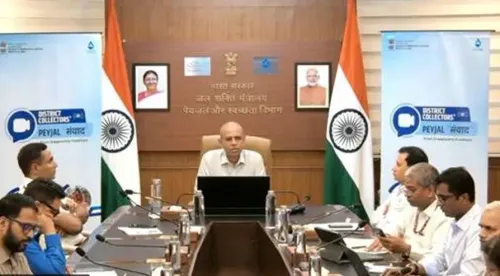
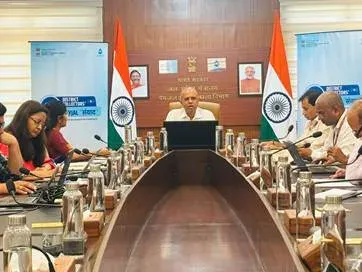
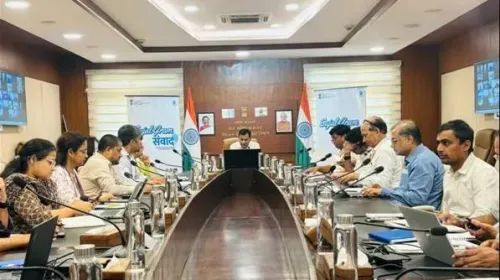
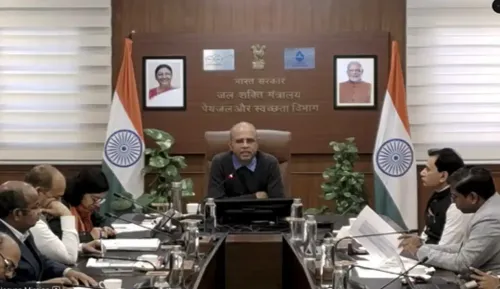
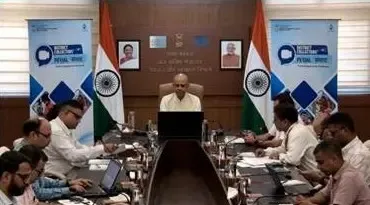
The 12th District Collectors' Peyjal Samvad was held on 15 September 2026 via video conferencing, organised by DDWS under the Ministry of Jal Shakti .
DDWS Secretary Ashok K.K.
Meena chaired the event and stressed regular DWSM meetings to track JJM 2.0 progress on water quality, service delivery, and source sustainability.
Completed rural water schemes are to be handed over to gram panchayats through the Jal Arpan programme to ensure community ownership.
The Decision Support System (DSS) was flagged as a key planning tool for rainwater harvesting and groundwater recharge under JJM 2.0.
Six districts — Shahdol, Samba, Hooghly, Dhamtari, Fatehgarh Sahib , and North and Middle Andaman — presented best practices for cross-learning.
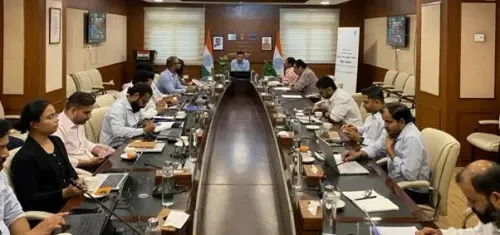
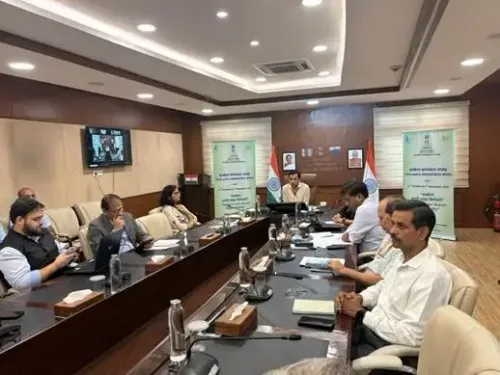
District Collectors from across India convened at the 12th edition of the District Collectors' Peyjal Samvad on Tuesday, 15 September 2026, to accelerate the implementation of Jal Jeevan Mission (JJM) 2.0 and exchange best practices for delivering piped drinking water to rural households. The event was organised by the Department of Drinking Water and Sanitation (DDWS) under the Ministry of Jal Shakti via video conferencing.
Key Discussions at the Samvad
The event was chaired by Ashok K.K. Meena, Secretary of DDWS, with Kamal Kishore Soan, Additional Secretary and Mission Director of the National Jal Jeevan Mission (NJJM), and senior officers from State Water and Sanitation Missions (SWSM) also in attendance. Meena underscored the importance of holding regular monthly District Water and Sanitation Mission (DWSM) meetings to review scheme progress, service delivery, water quality, and source sustainability under JJM 2.0.
He emphasised that completed schemes must be formally handed over to gram panchayats through the Jal Arpan programme following a prescribed trial run and proper documentation — a step designed to entrench community ownership and ensure long-term, sustainable operation and maintenance of rural water infrastructure.
Involving Elected Representatives
Meena urged districts to actively bring in Members of Parliament (MPs), Members of Legislative Assembly (MLAs), and other public representatives through Jal Arpan ceremonies, DISHA meetings, and DWSM reviews. The goal, he noted, is to strengthen transparency and build public confidence in rural water supply systems — particularly in areas where delivery has historically lagged.
He also stressed the need for timely utilisation of JJM 2.0 funds, accurate reporting of physical and financial progress, and the preparation of District and State Improvement Plans to address persistent service gaps.
Technology and Source Sustainability
Meena highlighted the Decision Support System (DSS) as a planning tool for source sustainability measures, including rainwater harvesting and groundwater recharge. He stressed that regular monitoring of scheme functionality, water quality, and sustainability interventions is essential to guarantee reliable drinking water for all rural households. This comes amid growing concerns about water table depletion in several states that have historically over-extracted groundwater.
Best Practices from Six Districts
Six districts were spotlighted for cross-learning: Shahdol (Madhya Pradesh), Samba (Jammu and Kashmir), Hooghly (West Bengal), Dhamtari (Chhattisgarh), Fatehgarh Sahib (Punjab), and North and Middle Andaman (Andaman and Nicobar Islands). The respective District Collectors, District Magistrates, and District Commissioners presented their implementation models to help other districts strengthen their own JJM 2.0 rollout.
As JJM 2.0 moves deeper into execution, the Peyjal Samvad series — now in its 12th edition — is emerging as a critical peer-learning forum, and the Centre is expected to keep up its cadence of such reviews through the coming quarters.
Point of View
But panchayats in water-stressed districts frequently lack the technical capacity and revenue to sustain operations. The insistence on MP and MLA involvement through DISHA meetings adds political accountability but also risks slowing decision-making in districts with contested local politics. Until a credible, independent functionality-monitoring mechanism is in place, JJM 2.0's headline connection numbers will remain a partial picture of what rural households actually receive.
NationPress
16 Sept 2026
Frequently Asked Questions
What is the Peyjal Samvad and why is it held?
The Peyjal Samvad is a periodic review forum organised by the Department of Drinking Water and Sanitation (DDWS) under the Ministry of Jal Shakti, where District Collectors discuss the implementation of Jal Jeevan Mission (JJM) and exchange best practices. The 12th edition, held on 15 September 2026, focused on accelerating JJM 2.0 and strengthening community ownership of completed water schemes.
What is Jal Jeevan Mission 2.0?
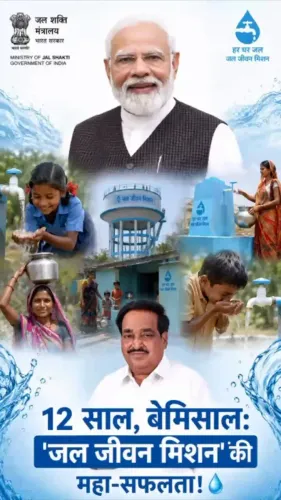
Jal Jeevan Mission 2.0 is the continuation of India's flagship rural drinking water programme, which aims to provide functional household tap connections to all rural homes. JJM 2.0 places greater emphasis on sustainability, water quality, and the long-term operation and maintenance of completed infrastructure.
What is the Jal Arpan programme?
Jal Arpan is the formal handover programme under JJM through which completed rural water supply schemes are transferred to gram panchayats after a prescribed trial run and documentation process. It is intended to promote community ownership and ensure sustainable operation and maintenance at the village level.
Which districts were highlighted at the 12th Peyjal Samvad?
Six districts presented their best practices at the samvad: Shahdol (Madhya Pradesh), Samba (Jammu and Kashmir), Hooghly (West Bengal), Dhamtari (Chhattisgarh), Fatehgarh Sahib (Punjab), and North and Middle Andaman (Andaman and Nicobar Islands). Their models are meant to guide other districts in strengthening JJM 2.0 implementation.
How does the Decision Support System help JJM 2.0?
The Decision Support System (DSS) is a planning tool that helps districts identify and implement source sustainability measures such as rainwater harvesting and groundwater recharge under JJM 2.0. DDWS Secretary Ashok K.K. Meena encouraged its use to ensure long-term water availability for rural households.