Yamuna dip row: AAP's Bhardwaj dares BJP MP Tiwari to drink Kalindi Kunj water
Synopsis
BJP MP Manoj Tiwari's Yamuna dip ahead of Chhath Puja has backfired politically — AAP's Saurabh Bhardwaj has called it a staged stunt and dared Tiwari to drink water at Kalindi Kunj, one of the river's most polluted stretches. With DPCC data cited and a repeat challenge from last year revisited, the exchange captures the full cynicism of Delhi's perennial Yamuna politics.
Key Takeaways
BJP MP Manoj Tiwari took a dip in the Yamuna River on 29 October 2026 , claiming pollution had been halved in the past year.
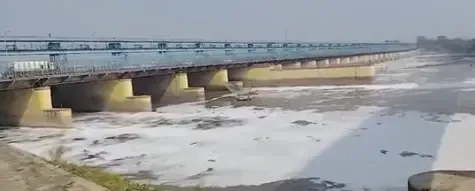
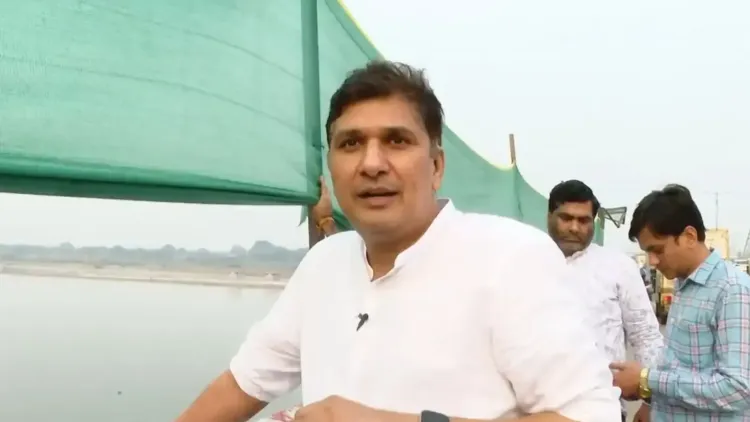
AAP leader Saurabh Bhardwaj challenged Tiwari and Water Minister Parvesh Singh Verma to drink water at Kalindi Kunj ghat near the Okhla barrage .
Bhardwaj cited DPCC reports to argue the 26 km Palla–Wazirabad stretch is historically cleaner and not representative of overall river health.
AAP alleged BJP leaders declined a similar Kalindi Kunj challenge last year .
The row comes days before Chhath Puja , with the Rekha Gupta -led BJP government running a high-profile Yamuna cleanliness drive.
Aam Aadmi Party (AAP) leader Saurabh Bhardwaj on Thursday, 29 October 2026, challenged BJP MP Manoj Tiwari and Delhi Water Minister Parvesh Singh Verma to drink water from the Kalindi Kunj ghat near the Okhla barrage — one of the most polluted stretches of the Yamuna River in New Delhi — after Tiwari took a high-profile dip in the river claiming its pollution levels had fallen significantly. The political exchange comes just days before Chhath Puja, with the BJP-led Delhi government conducting a large-scale river cleanliness drive.
What Triggered the Row
Earlier on Thursday, BJP MP Manoj Tiwari waded into the Yamuna, asserting that the river's pollution load had been reduced by half over the past year and that devotees could once again celebrate Chhath Puja on its banks. Tiwari also claimed to have tasted Yamuna water at Sonia Vihar and credited the Rekha Gupta-led BJP city government for the improvement. 'AAP used to blame Haryana for polluting the river. But since the BJP came to power, it has cleaned half of the river in one-and-a-half years,' Tiwari stated.
AAP's Counter-Challenge
Bhardwaj dismissed the gesture as political theatre, calling the BJP leaders 'frauds' in a post on X (formerly Twitter). In his post, he wrote: 'These BJP frauds know nothing about Delhi. It is well known that 26 km stretch of Yamuna River from Palla to Wazirabad has always been comparatively clean. It was cleaner during AAP Govt even as per DPCC reports.' He then extended a direct challenge: 'I invite Manoj Tiwari and Water Minister Parvesh Verma to drink water at Kalindi Kunj ghat (near Okhla barrage). Last year also they ran away from the challenge.'
The Science Behind the Claim
Bhardwaj cited data from the Delhi Pollution Control Committee (DPCC) to argue that the approximately 26-kilometre stretch from Palla to Wazirabad has historically been the cleaner section of the river, noting that the first major drain discharge into the Yamuna occurs near the Signature Bridge, close to Wazirabad, as the river enters the capital. He alleged that BJP leaders are either unaware of or deliberately concealing the true sources of pollution to project a false narrative of a clean Yamuna ahead of the festival season.
Political Context and Chhath Backdrop
The Yamuna's condition has been a flashpoint in Delhi politics for years, surfacing most sharply every Chhath cycle when millions of devotees gather at river ghats. The BJP had made Yamuna cleanup a central campaign promise ahead of the Delhi Assembly elections, and the Rekha Gupta government has positioned its ongoing cleanliness drive as proof of delivery. Critics, including the AAP, argue that the visible effort targets only the cleaner upstream stretches while the heavily polluted Kalindi Kunj and downstream segments remain untouched. Bhardwaj noted that BJP leaders had faced — and, he claimed, declined — a similar Kalindi Kunj challenge the previous year.
What Happens Next
With Chhath Puja imminent, the pressure on the Delhi government to demonstrate tangible river quality improvements at multiple ghats — including those in south and east Delhi — is intensifying. Both parties are expected to continue leveraging the issue for maximum political visibility over the festival period. Independent water quality data from the DPCC for the current season is likely to become the key battleground in the days ahead.
Point of View
Delhi's political class stages the same ritual: a carefully chosen dip in the cleaner upstream Yamuna, followed by claims of transformation that the river's downstream reality flatly contradicts. Tiwari's choice of Sonia Vihar — and the conspicuous absence of any BJP leader at Kalindi Kunj — tells the real story. The DPCC data Bhardwaj cites has been publicly available for years; that it takes a political dare to surface it reflects a governance vacuum neither party has genuinely filled. Until independent, real-time water quality monitoring at every ghat is made publicly accessible during festival season, the Yamuna will remain Delhi's most exploited — and most neglected — political prop.
NationPress
29 Oct 2026
Frequently Asked Questions
Why did Manoj Tiwari take a dip in the Yamuna on 29 October 2026?
BJP MP Manoj Tiwari took a dip in the Yamuna to assert that the river's pollution level had been reduced by half over the past year under the BJP-led Delhi government. He also claimed that devotees could once again celebrate Chhath Puja on the river's banks.
What is the Kalindi Kunj water challenge issued by AAP?
AAP leader Saurabh Bhardwaj dared Tiwari and Delhi Water Minister Parvesh Singh Verma to drink water at Kalindi Kunj ghat near the Okhla barrage, considered one of the most heavily polluted stretches of the Yamuna. Bhardwaj alleged that both leaders had declined a similar challenge the previous year.
Is the Yamuna actually cleaner near where Manoj Tiwari took his dip?
According to AAP and DPCC data cited by Bhardwaj, the approximately 26-km stretch from Palla to Wazirabad — where Sonia Vihar is located — has historically been the cleaner section of the Yamuna. The first major drain discharge into the river occurs near the Signature Bridge close to Wazirabad, making downstream stretches like Kalindi Kunj far more polluted.
Why is the Yamuna politically sensitive ahead of Chhath Puja?
Chhath Puja brings millions of devotees to river ghats across Delhi, making the Yamuna's water quality a highly visible issue. The BJP had made Yamuna cleanup a key election promise, and the festival season amplifies scrutiny of the government's delivery on that pledge.
What has the BJP-led Delhi government done to clean the Yamuna?
The Rekha Gupta-led BJP government has launched a large-scale cleanliness drive along the Yamuna ahead of Chhath Puja. BJP leaders claim pollution has been reduced by half in one and a half years, though AAP disputes this, arguing the efforts focus on already-cleaner stretches while heavily polluted areas like Kalindi Kunj remain unaddressed.