Nine modules busted, yet Shahzad Bhatti keeps recruiting: India's new terror threat
Synopsis
Nine modules dismantled, yet Shahzad Bhatti hasn't flinched. What makes this Pakistani handler uniquely dangerous is not ideology — it is algorithm. He recruits through open social media, targets youth chasing fame, and operates with apparent ISI impunity, betting that Indian agencies will eventually blink.
Key Takeaways
Nine terror modules linked to Pakistani national Shahzad Bhatti have been busted since 2025 .
Four modules were dismantled by the Uttar Pradesh ATS ; five by the Special Cell of Delhi Police .
Targets reportedly included temples, police stations, hospitals , and high-profile individuals.
A June 2026 module was a propaganda operation to promote a fictitious group, Tehreek-e-Taliban Hindustan (TTH) .
Bhatti recruits through open social media using lures of fame, money, and power — not ideology — marking a new recruitment pattern.
Officials attribute Bhatti's persistence to ISI backing and warn against any agency complacency.
Pakistani national Shahzad Bhatti has emerged as one of Indian security agencies' most persistent adversaries, with nine terror modules linked to him dismantled since 2025 — yet intelligence officials warn he shows no sign of halting operations. According to security officials, Bhatti is deliberately biding his time, waiting for Indian agencies to grow complacent before attempting a large-scale strike.
The Scale of the Threat
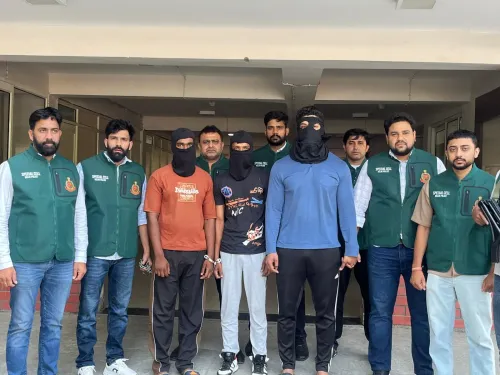
Of the nine modules busted, four were dismantled by the Uttar Pradesh Anti-Terrorism Squad (ATS) and five by the Special Cell of the Delhi Police. An Intelligence Bureau official noted that this pattern is unprecedented: typically, a handler pulls back after multiple consecutive module busts. Bhatti, however, has done the opposite — continuing to recruit Indian youth and establish fresh cells across multiple locations.
Identified targets across the various modules reportedly included temples, police stations, hospitals, and high-profile individuals, according to officials. One module, busted by the Delhi Police in June 2026, was designed purely for propaganda — specifically to promote a fabricated outfit called Tehreek-e-Taliban Hindustan (TTH) and falsely link it to the Tehreek-e-Taliban Pakistan (TTP), with the aim of suggesting India was behind attacks in Pakistan.
A New Recruitment Playbook
Officials say Bhatti's recruitment strategy marks a significant departure from earlier extremist models. Rather than relying on ideology or religion, Bhatti reportedly targets youth motivated by fame, money, and power. He operates through open social media channels rather than encrypted forums — an audacity that officials attribute to his belief in full backing from the Pakistani state.
'Some can even be recruited by offering them a pistol,' one official said, adding that such recruits would not hesitate to post photographs with weapons on social media. The network has reportedly drawn in youth from Punjab to target temples — a clear signal, officials say, that recruitment patterns are shifting away from communal or ideological lines.
The ISI Connection
Indian agencies believe Bhatti operates with the active support of Pakistan's Inter-Services Intelligence (ISI). Officials describe his strategy as one of sustained attrition — keeping Indian agencies under constant operational pressure while waiting for a single critical lapse. 'His intention is to stress the establishment and wait for that one crucial mistake,' an official said.
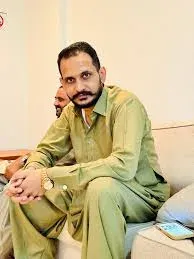
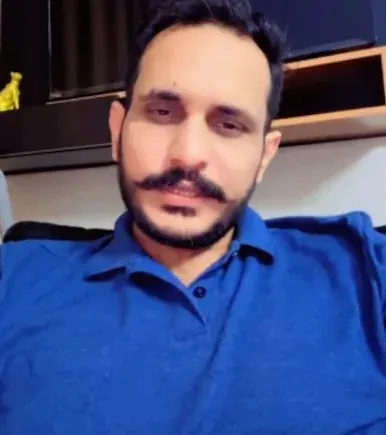
Notably, Bhatti was once a social media influencer before pivoting to terror facilitation, a background that officials say gives him an innate understanding of how to exploit online platforms to recruit vulnerable youth.
Agencies on Alert
Despite the string of successful busts, security officials are explicitly cautioning against any sense of victory. 'The busting of so many modules back-to-back should not make the Indian agencies complacent,' an official warned. Bhatti's brief, according to officials, is to not give up regardless of setbacks — suggesting a long-drawn operational contest lies ahead.
As agencies remain on high alert, the central challenge is sustaining vigilance over what officials describe as an evolving, non-ideological, social-media-driven terror recruitment model — one that Indian security frameworks are still adapting to counter.
Point of View
Built largely around ideological radicalization detection, may need a fundamental rethink. The propaganda module promoting a fictitious outfit like TTH also reveals a sophisticated information-warfare layer that goes well beyond typical sleeper-cell operations.
NationPress
3 Jul 2026
Frequently Asked Questions
Who is Shahzad Bhatti and why is he a security threat to India?
Shahzad Bhatti is a Pakistani national and former social media influencer who has become a key handler of terror modules targeting India. Since 2025, nine modules linked to him have been busted by Indian agencies, yet he continues to recruit Indian youth through open social media platforms, reportedly with ISI backing.
How many terror modules linked to Shahzad Bhatti have been busted?
Nine modules have been dismantled since 2025 — four by the Uttar Pradesh Anti-Terrorism Squad (ATS) and five by the Special Cell of the Delhi Police. Officials say this is an unusually high number for a single handler who has not stood down.
What were the targets of these terror modules?
Identified targets across the modules reportedly included temples, police stations, hospitals, and high-profile individuals. One module busted in June 2026 was a propaganda operation aimed at promoting a fictitious group called Tehreek-e-Taliban Hindustan (TTH) to falsely implicate India in attacks inside Pakistan.
How is Bhatti recruiting operatives in India?
Unlike traditional extremist networks, Bhatti reportedly recruits through open social media rather than encrypted channels, targeting youth motivated by fame, money, and power rather than ideology or religion. Officials say recruits from Punjab have been roped in to target temples, signalling a major shift in recruitment patterns.
Why are Indian agencies warning against complacency despite the busts?
Officials say Bhatti's strategy is one of sustained attrition — keeping agencies under constant pressure while waiting for a single critical lapse to attempt a large-scale strike. His persistence despite repeated setbacks is attributed to full ISI backing, which gives him both resources and a mandate to continue regardless of losses.