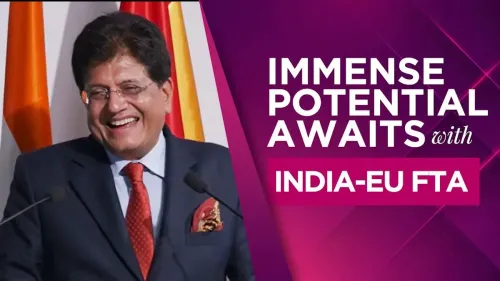
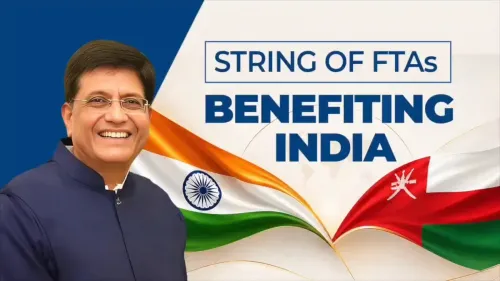
Goyal: Every country I visit wants an FTA with India
Synopsis
Commerce Minister Piyush Goyal says every country he visits opens with a demand for a Free Trade Agreement with India, underscoring the country's rising appeal as a global trade partner amid active negotiations with the EU and the UK.
Key Takeaways
Minister Piyush Goyal stated that the first demand he hears in every country he visits is to sign a Free Trade Agreement with India.
India concluded a Comprehensive Economic Partnership Agreement with the UAE and an Economic Cooperation and Trade Agreement with Australia , both in 2022 .
Pending high-stakes negotiations with the European Union and the United Kingdom remain the key deals to watch.
India's growing attractiveness as an FTA partner is linked to global supply-chain diversification away from concentrated dependencies.
The minister's remark signals India's shift from a historically cautious trade posture to actively being sought as a preferred partner.
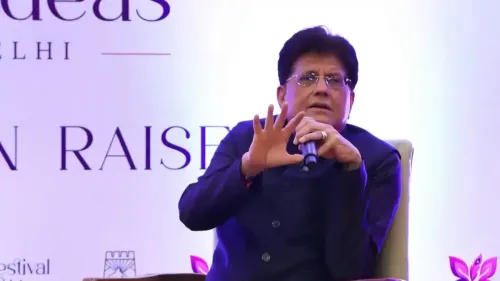
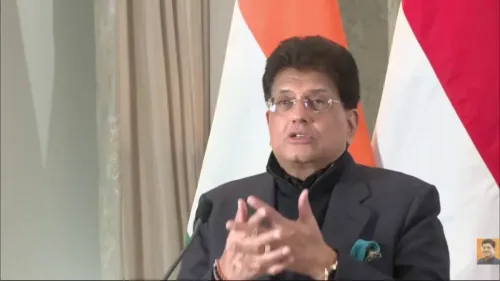
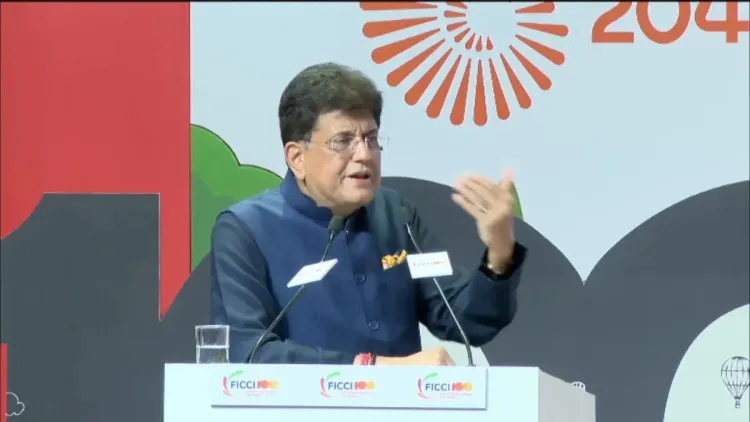
India's trade appeal has rarely sounded this unambiguous. Union Commerce and Industry Minister Piyush Goyal declared on Thursday, 19 November 2026 that wherever he travels, the first ask from his counterparts is an invitation to negotiate a Free Trade Agreement with India — a signal of just how dramatically the country's standing as a global trade partner has shifted.
Posting on X, the minister quoted his overseas interlocutors directly: 'We want to do a Free Trade Agreement with India.' The statement, spare as it is, lands with considerable weight given the pipeline of active negotiations India is currently managing and the agreements it has already sealed.
From UAE to Australia — the deals that built the credibility
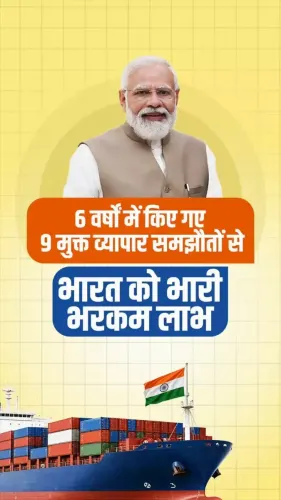
India's recent track record gives that demand a foundation. The country concluded a Comprehensive Economic Partnership Agreement with the UAE in 2022 and an Economic Cooperation and Trade Agreement with Australia in 2022 — two agreements that broke a decade-long logjam on bilateral trade deals and demonstrated New Delhi's willingness to move at speed when political will aligns.
Those milestones recast India's reputation: from a country historically wary of opening its markets to one actively courting partnerships and offering exporters new windows into Gulf and Pacific economies. For manufacturing sectors and Indian exporters, each concluded agreement has meant real tariff relief and new supply-chain footholds.
The EU and UK negotiations — where the pressure now lands
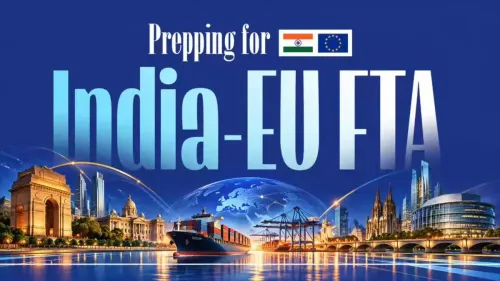
With the credibility established, the spotlight falls on the two most consequential pending talks — with the European Union and the United Kingdom. Both negotiations have been underway for years, interrupted by political cycles on the European side and post-Brexit recalibrations in London. An FTA with either bloc would dwarf earlier agreements in scale, covering hundreds of billions of dollars in two-way trade and touching everything from pharmaceuticals and textiles to digital services and skilled-worker mobility.
Goyal's remark — that the demand for an FTA with India is now the first thing he hears, everywhere — suggests the minister is leaning into that momentum as a negotiating asset: demonstrating to domestic constituencies that India is not chasing deals but being sought out for them.
India's pivot from reluctant partner to preferred destination
The broader pattern here is structural, not coincidental. As global supply chains continue to rewire away from concentrated dependencies, India — with its large domestic market, expanding manufacturing base, and young workforce — has emerged as a preferred diversification destination. That reconfiguration gives New Delhi unusual leverage: partners need India's market and production capacity as much as India needs their capital and technology.
Goyal's post distils that shift into a single, declarative line. The question now is whether the momentum of demand translates into concluded agreements — particularly with Brussels and London — before the window of geopolitical alignment narrows.
Point of View
Lending political capital to what are, in practice, grinding and complex negotiations. The real test of that demand-side enthusiasm will be whether the EU and UK talks — both stalled at different junctures — can be converted into signed agreements. Until they are, the minister's optimism, however credible, remains a promissory note.
NationPress
19 Nov 2026
Frequently Asked Questions
Which countries want a Free Trade Agreement with India?
Commerce Minister Piyush Goyal has said that every country he visits expresses a desire to conclude a Free Trade Agreement with India, though no specific nations were named in his post. Active negotiations are ongoing with the European Union and the United Kingdom.
What Free Trade Agreements has India signed recently?
India signed a Comprehensive Economic Partnership Agreement with the UAE and an Economic Cooperation and Trade Agreement with Australia, both in 2022, breaking a decade-long pause on bilateral trade deals.
What is the status of India's FTA with the EU?
India and the European Union have been in FTA negotiations for several years, but the talks have faced repeated delays. The agreement remains one of the most consequential pending deals, given the scale of two-way trade between the two economies.
What is the status of India's FTA with the UK?
India and the UK have been negotiating a Free Trade Agreement since 2022, with multiple rounds of talks held. The deal has seen interruptions due to political changes in the UK, and progress continues to be closely watched.
Why is India now seen as a preferred FTA partner globally?
India's large domestic market, expanding manufacturing base, and its role in global supply-chain diversification have made it an attractive trade partner. Concluded agreements with the UAE and Australia also demonstrated India's willingness to move decisively on trade deals.