Bhupender Yadav Meets UK Minister at COP31 in Antalya
Synopsis
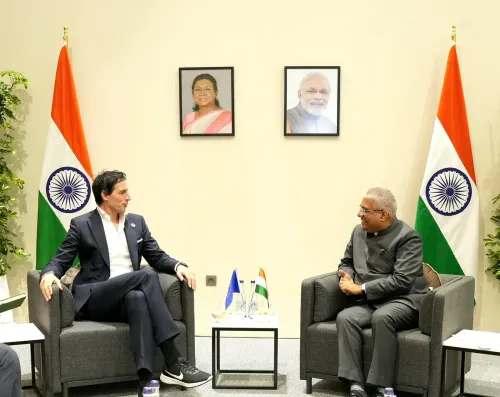
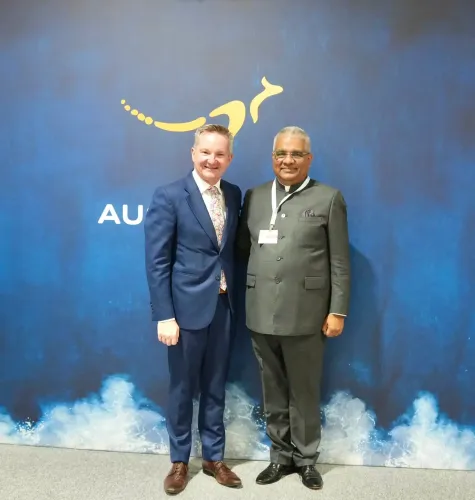
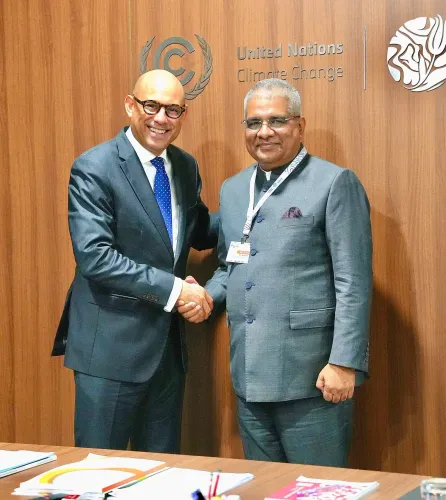
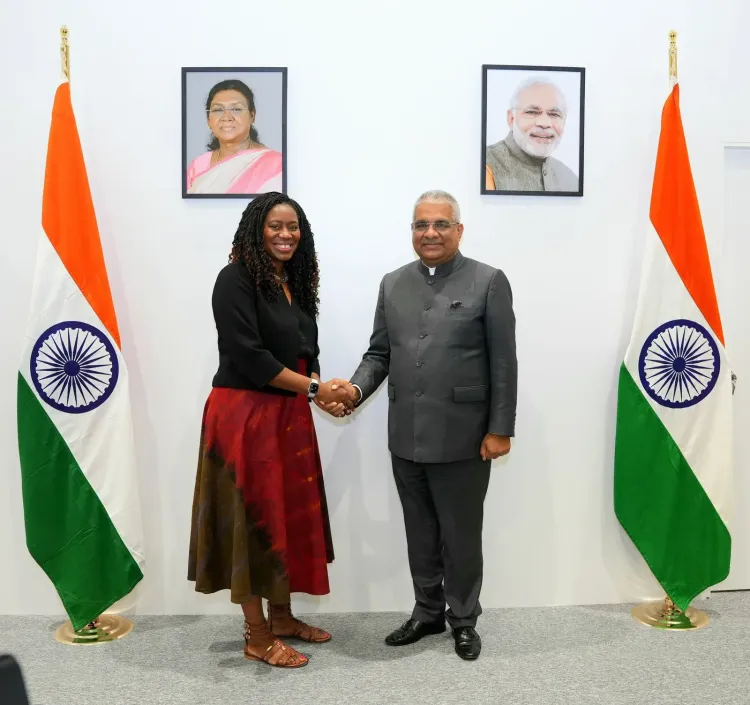
Union Environment Minister Bhupender Yadav met UK Secretary of State for Energy Security and Net Zero Miatta Nema Fahnbulleh on the sidelines of COP31 in Antalya, Türkiye, on November 19, 2026, for bilateral talks on climate finance, adaptation, and the role of science in ongoing negotiations.
Key Takeaways
Union Environment Minister Bhupender Yadav held a bilateral meeting with UK Secretary of State Miatta Nema Fahnbulleh at COP31 in Antalya, Türkiye on November 19, 2026 .
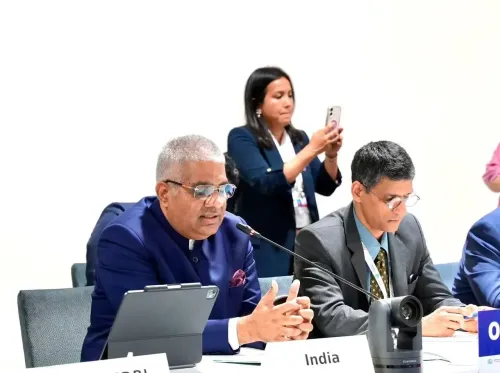
Discussions covered three core COP flashpoints: climate finance, adaptation, and the use of science in negotiations.
India's engagement reflects its long-standing push for equitable climate finance for developing nations, anchored by the Panchamrit strategy and a 2070 net-zero target set at COP26 .
The UK-India bilateral climate dialogue has been active since 2021 , focusing on clean technology and finance architecture.
Sideline bilateral meetings at COP serve as key channels for India to build negotiating alignment ahead of formal plenary decisions.
On the sidelines of a pivotal global climate summit, Union Environment Minister Bhupender Yadav sat down with UK Secretary of State for Energy Security and Net Zero Miatta Nema Fahnbulleh in Antalya, Türkiye, on Thursday, November 19, 2026 — a bilateral exchange at the heart of the most consequential climate debate of the year.
Yadav described the meeting as 'an engaging discussion on climate finance, adaptation and issues related to science in the ongoing COP-31.' Those three words — finance, adaptation, science — are not diplomatic boilerplate. They are, right now, the fault lines of COP-31.
Why Finance and Adaptation Dominate Antalya
For developing nations, climate finance is the pivot on which everything else turns. Without credible, scaled-up flows of money from wealthy economies, ambitious adaptation pledges remain paper commitments. India has consistently pressed this case across UNFCCC sessions — from its Panchamrit strategy announced at COP26 in Glasgow in 2021, which set a net-zero target of 2070, to every session since. The ask is structural: not just the volume of finance, but its form, its concessionality, and how much of it reaches the countries most exposed to climate risk. The UK, as a major developed economy and a country with its own legally binding net-zero commitments, is a natural interlocutor for India on these questions. India-UK bilateral climate and energy dialogues have been a fixture since 2021, covering clean technology transfer and finance architecture. Fahnbulleh's portfolio — energy security and net zero — maps directly onto the pressure points India raises at every COP table.Science as a Negotiating Variable
That the two ministers specifically flagged 'issues related to science' is worth noting. Scientific inputs — from the Intergovernmental Panel on Climate Change and national assessment reports — increasingly frame the ambition benchmarks that negotiators fight over. How the science is interpreted, weighted, and translated into nationally determined contributions shapes the equity debate. For a country like India, with vast climate-vulnerable coastlines, agrarian populations, and fast-growing energy needs, the framing of science is never purely technical.Sideline Bilaterals: Where the Real Work Happens
Formal COP plenary sessions move slowly. The real momentum at any Conference of the Parties is generated in precisely these kinds of focused sideline meetings — two delegations, a specific agenda, and the latitude to speak plainly. Yadav's meeting with Fahnbulleh follows a pattern India has refined across multiple COP cycles: use bilateral channels to build common ground on issues where multilateral consensus is hard, then carry that alignment back into the main negotiating rooms. Watch for any follow-up joint statement or India-UK working group announcement as COP-31 moves toward its final stretch — that is where the signal will be strongest.Point of View
Deepening climate dialogue with India — the world's most populous nation and a major emerging economy — is strategically significant for its own net-zero credibility. The meeting continues a pattern of India-UK climate engagement that has grown steadily since Glasgow, and any concrete follow-up at COP31 could reinforce that momentum.
NationPress
19 Nov 2026
Frequently Asked Questions
What did Bhupender Yadav discuss at COP31?
Yadav held a bilateral meeting with UK Secretary of State Miatta Nema Fahnbulleh at COP31 in Antalya, covering climate finance, adaptation, and the role of science in the ongoing negotiations.
Where is COP31 being held?
COP31, the 31st Conference of the Parties to the UNFCCC, is being held in Antalya, Türkiye.
Who is Miatta Nema Fahnbulleh?
Miatta Nema Fahnbulleh is the UK Secretary of State for Energy Security and Net Zero, the minister responsible for the United Kingdom's clean energy and climate commitments.
What is India's net-zero target?
India announced a net-zero target of 2070 as part of its Panchamrit climate strategy, first presented at COP26 in Glasgow in 2021.
Why are sideline meetings important at COP summits?
Formal COP plenary sessions move slowly; bilateral sideline meetings allow countries to hold focused, frank discussions and build negotiating alignment that can then be brought into the main multilateral process.