CM Fadnavis Launches 1000 Days Childhood Development Mission for Maharashtra
Synopsis
Maharashtra CM Devendra Fadnavis chaired a Social Sector War Room meeting in Mumbai on October 2, 2026, directing Health and Women & Child Development departments to jointly draft a '1000 Days Childhood Development Mission' framework for Cabinet approval, with a dedicated Mission Secretariat for accountability and data-driven monitoring.
Key Takeaways
CM Devendra Fadnavis chaired the Social Sector War Room meeting on October 2, 2026 at Sahyadri Guest House, Mumbai .
The Health Department and Women and Child Development Department have been jointly tasked with drafting the mission framework for Cabinet presentation .
A dedicated Mission Secretariat will be established for data-driven monitoring, clear accountability and inter-departmental coordination.
Priority interventions include maternal anaemia, nutrition, breastfeeding, immunisation and child development, with special focus on tribal and urban areas .
Fadnavis warned that Anganwadi and nutrition services must not be delayed due to departmental authority or expenditure disputes.
Deputy CM Sunetra Ajit Pawar and eight other ministers and ministers of state attended the high-level meeting.
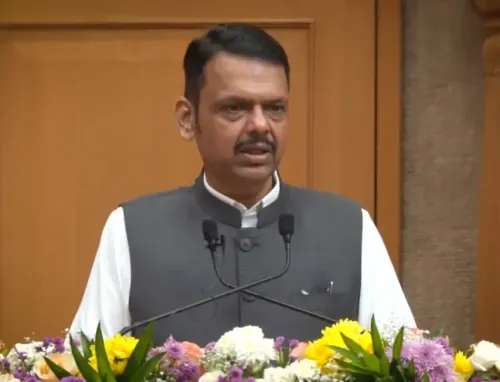
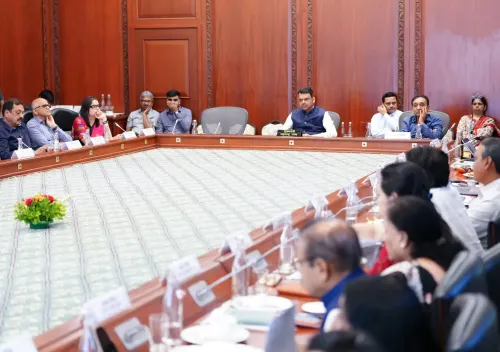
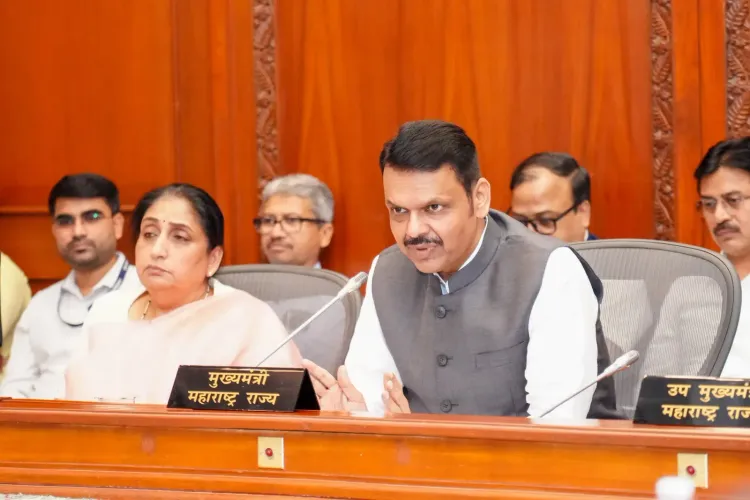
The first thousand days of a child's life — from conception to the second birthday — are the window science calls irreversible. Maharashtra Chief Minister Devendra Fadnavis moved to protect that window on Friday, October 2, 2026, chairing a high-level Social Sector War Room meeting at Sahyadri Guest House, Mumbai to lay the groundwork for an ambitious 'Early Childhood Development Mission – 1000 Days'.
What the mission will target — and who it will reach
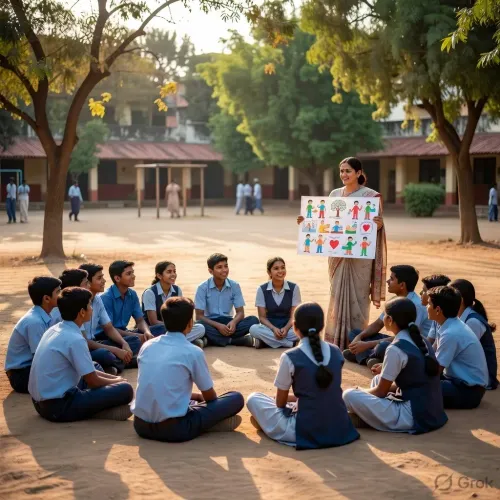
CM Fadnavis directed the Health Department and the Women and Child Development Department to jointly draft the mission framework and place it before the Cabinet for approval. The directive is sweeping: focused interventions on maternal anaemia, nutrition, breastfeeding, immunisation and early child development, with special emphasis on tribal communities and urban pockets — the two geographies where gaps in child health outcomes tend to be sharpest in Maharashtra.
Mothers and children, the Chief Minister stressed, must remain 'at the centre of the mission.' That framing signals a shift from programme-centric bureaucratic delivery toward a beneficiary-first design philosophy.
A dedicated Mission Secretariat to end departmental gridlock
One of the sharper edges of Friday's directive was institutional. Fadnavis ordered the creation of a dedicated Mission Secretariat responsible for data-driven monitoring, clear accountability and cross-departmental coordination. The instruction came with a pointed warning: work related to Anganwadis, nutrition programmes and essential services must not be held up by turf battles over departmental authority or expenditure approvals.
'Government resources are meant for the welfare of society as a whole,' Fadnavis said, signalling zero tolerance for the inter-departmental friction that has historically slowed welfare delivery in large states. The secretariat is designed to be the circuit-breaker.
A cabinet-level gathering signals political weight
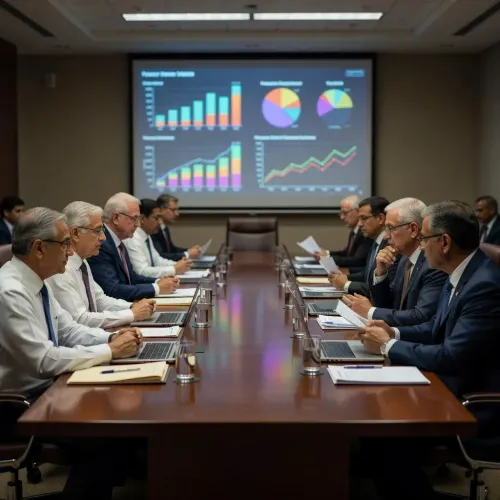
The meeting was no routine officials' briefing. Deputy Chief Minister Sunetra Ajit Pawar, along with ministers Dr. Ashok Uike, Jaykumar Gore, Dadaji Bhuse, Prakash Abitkar, Gulabrao Patil, Aditi Tatkare and Ministers of State Meghna Bordikar and Madhuri Misal were all present — a cross-section of the cabinet that covers health, social welfare, tribal affairs and rural development. The breadth of the gathering underlines that this mission is conceived as a whole-of-government effort, not a siloed health initiative.
Viksit Maharashtra — where economic growth meets the cradle
Fadnavis explicitly tied the mission to Maharashtra's broader development ambition. 'For a Viksit Maharashtra, economic growth must go hand in hand with social development,' he said, echoing the national Viksit Bharat (Developed India) framing but grounding it in a specific, measurable intervention: the holistic development of children in their first 1,000 days.
The logic is hard to argue with. Stunting, anaemia and early cognitive deficits formed in infancy compound into lower learning outcomes, reduced adult productivity and higher public health costs — a drag on the very economic growth Maharashtra is chasing. Investing in a child's first thousand days is, in that sense, infrastructure spending.
The framework now moves to Cabinet. Maharashtra's most vulnerable infants are waiting.
Point of View
The framework also attempts to address equity gaps that tend to erode the aggregate impact of large-scale public health programmes. The real test will come at Cabinet stage: whether the multi-ministerial buy-in visible at Friday's meeting survives the budgetary and jurisdictional negotiations that lie ahead.
NationPress
2 Oct 2026
Frequently Asked Questions
What is the '1000 Days Childhood Development Mission' in Maharashtra?
It is a proposed government mission directed by CM Devendra Fadnavis on October 2, 2026, focused on holistic development of children during the first 1,000 days of life — from conception to age two — covering maternal anaemia, nutrition, breastfeeding, immunisation and child development, with special focus on tribal and urban areas.
What is the Social Sector War Room in Maharashtra?
The Social Sector War Room is a high-level coordination forum chaired by Maharashtra's Chief Minister to oversee and accelerate the implementation of social sector programmes across multiple government departments.
Who will draft the 1000 Days Mission framework?
CM Fadnavis directed the Health Department and the Women and Child Development Department to jointly formulate the mission framework and present it before the Maharashtra Cabinet for approval.
What is the Mission Secretariat announced by Fadnavis?
The Mission Secretariat is a dedicated administrative body ordered to be established for regular, data-driven monitoring, clear accountability and effective coordination across all departments involved in the 1000 Days Mission.
Why are the first 1000 days of a child's life considered critical?
The first 1,000 days — from conception to a child's second birthday — are a scientifically recognised window during which nutrition, health and stimulation have irreversible effects on brain development, growth and long-term health and productivity outcomes.