CM Fadnavis Tables Supplementary Demands for 2026-27 in Maharashtra Assembly
Synopsis
Maharashtra Chief Minister Devendra Fadnavis tabled the Supplementary Demands for Grants for 2026-27 in the state Legislative Assembly on 22 June 2026 during the Monsoon Session, formally seeking legislative approval for additional state expenditure beyond the main annual budget.
Key Takeaways
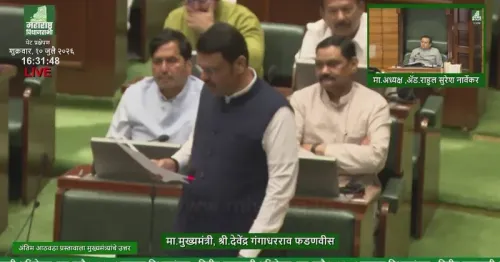
Maharashtra Chief Minister Devendra Fadnavis tabled the Supplementary Demands for Grants for 2026–2027 in the state assembly on 22 June 2026 .
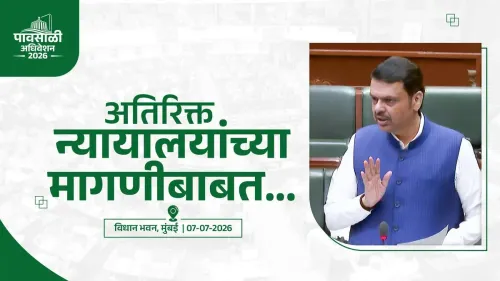
The tabling took place during the Monsoon Session 2026 of the Maharashtra Legislative Assembly in Mumbai .
Supplementary demands seek legislative approval for additional expenditure beyond the original annual budget allocations.
Maharashtra governments have followed this constitutional practice during Monsoon and Winter sessions as part of the standard fiscal calendar.
The demands will now be debated and voted upon by assembly members before additional funds can be formally authorised.
State government departments and Maharashtra taxpayers are the primary stakeholders in the outcome of the vote.
Maharashtra Chief Minister Devendra Fadnavis tabled the Supplementary Demands for Grants for 2026–2027 in the Maharashtra Legislative Assembly in Mumbai on 22 June 2026, during the ongoing Monsoon Session 2026. The move marks a key procedural milestone in the state's annual fiscal calendar, formally placing before the House requests for additional expenditure beyond what was sanctioned in the main budget.
Context
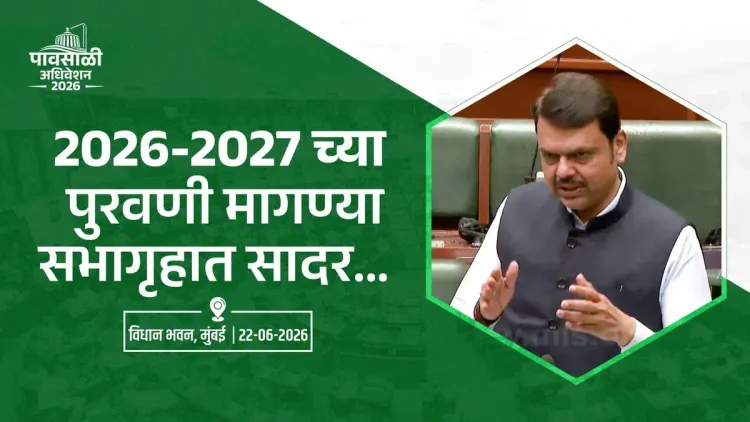
Posting on X, Devendra Fadnavis announced the tabling of the demands in both English and Marathi — '2026-2027 च्या पुरवणी मागण्या सभागृहात सादर' ['The Supplementary Demands for 2026–2027 have been presented in the House'] — confirming the development from the floor of the Vidhan Sabha. The post was tagged with #Maharashtra, #Mumbai, and #MonsoonSession2026, situating the announcement squarely within the legislature's current sitting.
Supplementary demands are a constitutionally mandated mechanism that allows state governments to seek legislative approval for expenditure not covered — or insufficiently covered — by the original annual budget. They are distinct from the main budget and require a separate vote by the assembly.
Policy Backdrop
Maharashtra governments have consistently presented supplementary demands during both the Monsoon and Winter sessions of the legislature, in keeping with standard Indian fiscal practice. The process falls within the framework of fiscal federalism, under which states manage their own consolidated funds subject to legislative oversight and approval.
The Monsoon Session is one of the principal sittings of the Maharashtra legislature, typically used to transact financial business — including supplementary grants — alongside other legislative matters. Tabling the demands early in the session allows time for debate, scrutiny by members, and eventual voting on the grants.
Stakeholders and Impact
The supplementary demands, once approved, will authorise additional spending across various state government departments, enabling them to meet expenditure needs that arose after the main budget was passed. Maharashtra taxpayers and beneficiaries of state schemes are the primary stakeholders, as the allocation decisions shape the delivery of public services across the state.
Members of the Maharashtra Legislative Assembly — from the ruling Mahayuti alliance as well as the opposition — will have the opportunity to scrutinise and debate the sector-wise allocations embedded in the supplementary demands before the House votes on them.
What's Next
The supplementary demands will now be taken up for discussion in the Maharashtra Legislative Assembly, with members expected to raise questions on specific allocations and priorities. The House will subsequently vote on the demands, and approval will formally authorise the additional expenditure for the financial year 2026–2027. The details of sector-wise allocations that emerge during assembly debates will be closely watched by policy observers and civil society groups tracking state finances.
Point of View
But the timing — early in the Monsoon Session — signals the Fadnavis government's intent to move financial business efficiently through the House. For a Chief Minister who also holds the Finance portfolio, presenting supplementary grants personally underscores a centralised grip on state fiscal management. The move sets the stage for opposition scrutiny of post-budget spending priorities, making the ensuing debate a barometer of the government's allocation choices in the second year of its term. How the House engages with the demands will reveal whether Maharashtra's legislative scrutiny of executive spending is substantive or procedural.
NationPress
21 Sept 2026
Frequently Asked Questions
What are supplementary demands for grants in Maharashtra?
Supplementary demands for grants are formal requests placed before the Maharashtra Legislative Assembly seeking approval for additional government expenditure beyond what was sanctioned in the main annual budget. They require a separate vote by the assembly before funds can be released.
Why did CM Fadnavis table supplementary demands during the Monsoon Session 2026?
The Monsoon Session is one of the principal sittings of the Maharashtra legislature and is routinely used to transact financial business, including supplementary grants. Tabling the demands during this session allows members time to debate and vote on them within the current fiscal year.
What happens after supplementary demands are tabled in the Maharashtra Assembly?
After tabling, the supplementary demands are taken up for discussion by assembly members who can raise questions on specific allocations. The House then votes on the demands, and approval formally authorises the additional expenditure.
Who is affected by Maharashtra's supplementary demands for 2026-27?
State government departments that require additional funds are directly affected, as are Maharashtra taxpayers and beneficiaries of state schemes whose services depend on the approved allocations.
Does Devendra Fadnavis hold the Finance portfolio in Maharashtra?
Devendra Fadnavis has previously held the Finance portfolio alongside his role as Chief Minister in Maharashtra, making him directly responsible for state budget and fiscal matters, though the current portfolio assignment should be confirmed from official government sources.