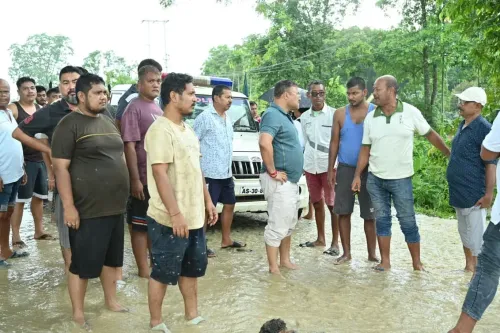
Assam floods receding in Upper Assam, says CM Himanta Biswa Sarma
Synopsis
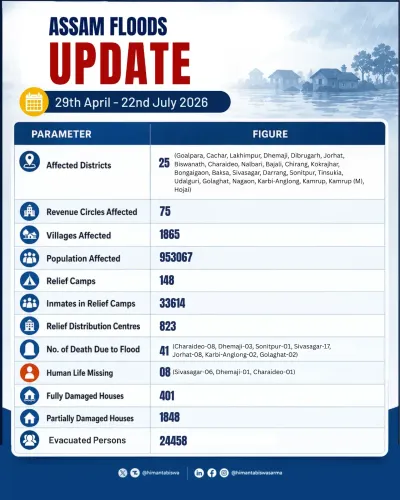
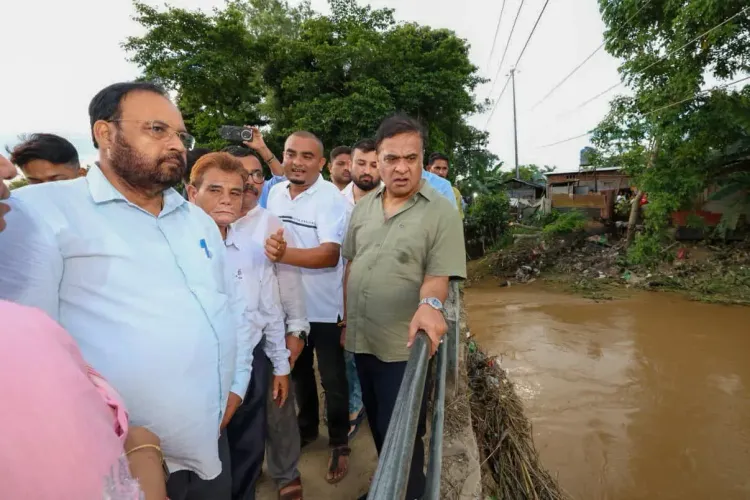
Assam CM Himanta Biswa Sarma confirmed on 26 July that floodwaters are gradually receding in Upper Assam, though Sivasagar's Nazira area remains among the worst-hit. With a personal site visit planned within two days and relief ops in full swing, the state is in the critical phase between crisis and recovery.
Key Takeaways
Assam CM Himanta Biswa Sarma confirmed on 26 July that floodwaters are gradually receding in Upper Assam .
The Nazira area of Sivasagar district has been identified as one of the worst-hit regions.
Relief teams are supplying drinking water, food, medicines, and essential supplies to displaced residents without interruption.
CM Sarma announced a personal visit to flood-affected areas within one to two days to review ground conditions.
The state government is coordinating with district administrations and disaster response agencies to ensure timely relief reaches every affected village.
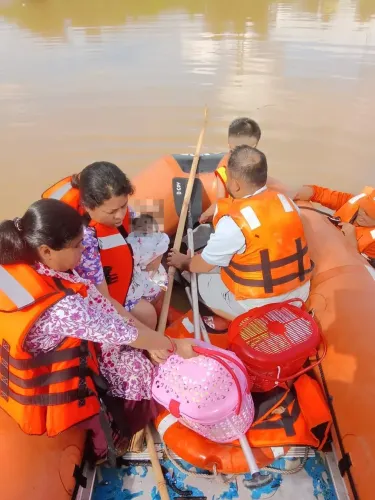
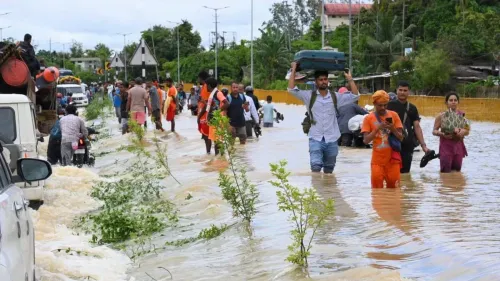
Assam Chief Minister Himanta Biswa Sarma on Sunday, 26 July said the flood situation in Upper Assam was gradually improving, with floodwaters receding across several affected areas. The Chief Minister assured that rescue and relief operations were continuing on a war footing, with district administrations and disaster response agencies working in close coordination.
Ground Situation in Affected Districts
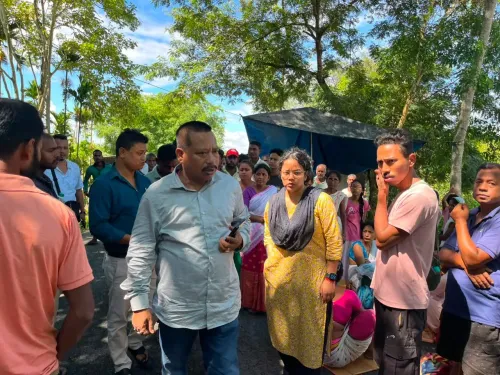
CM Sarma, speaking to reporters after attending a public gathering at Azara, said authorities were closely monitoring the situation in the Nazira area of Sivasagar district, identified as one of the worst-hit regions in the current flood cycle. Officials have been maintaining surveillance over embankments, river levels, and weather conditions to enable swift response to any further developments.
Relief teams have been deployed across flood-hit districts to ensure uninterrupted supply of drinking water, food, medicines, and essential supplies to displaced residents. Authorities have urged people in vulnerable areas to remain alert and cooperate with local officials.
What the Chief Minister Said
'The floodwaters are gradually receding, and the overall situation is improving. However, relief operations will continue until normalcy is fully restored,' CM Sarma said. He added that the state government remained committed to extending all possible assistance to flood-affected families.
'I will visit the affected areas in the next one or two days to take stock of the situation and oversee the ongoing relief efforts,' the Chief Minister said, announcing a personal inspection tour of flood-hit zones.
Relief and Rehabilitation Measures
The state government has intensified operations in affected districts, with officials distributing relief materials and providing emergency support to people displaced by rising waters. The administration is working to restore normal life while keeping a close watch on river levels and incoming weather patterns.
This comes amid Assam's recurring annual flood crisis, which typically peaks between June and August, affecting millions across the Brahmaputra and Barak valley regions each year. The Sivasagar district, part of Upper Assam, has historically been among the most vulnerable to prolonged inundation.
What Happens Next
CM Sarma is expected to visit flood-affected areas within one to two days to personally assess ground conditions and review rehabilitation progress. Relief operations will remain active until full normalcy is restored, according to the state government.
Point of View
The state's flood vulnerability in the Brahmaputra belt has resisted durable solutions for decades. The focus on real-time relief is necessary but insufficient; what Assam needs — and rarely gets — is a credible long-term embankment and drainage policy that reduces the scale of the crisis rather than managing its aftermath. A Chief Minister's site visit makes for strong optics, but the harder accountability question is why Sivasagar and Upper Assam remain perennially on the worst-hit list.
NationPress
26 Jul 2026
Frequently Asked Questions
What is the current flood situation in Assam as of 26 July?
Assam CM Himanta Biswa Sarma said on 26 July that floodwaters are gradually receding in Upper Assam and the overall situation is improving. However, relief operations are continuing, particularly in the Nazira area of Sivasagar district, which remains among the worst-hit regions.
Which areas in Assam are worst affected by the floods?
The Nazira area in Sivasagar district, located in Upper Assam, has been identified as one of the most severely affected regions. District administrations across Upper Assam are monitoring embankments and distributing relief materials.
What relief is being provided to flood-affected residents in Assam?
Relief teams are ensuring continuous supply of drinking water, food, medicines, and other essential supplies to displaced residents. The state government is coordinating with district administrations and disaster response agencies to reach every affected village.
Will Assam CM Himanta Biswa Sarma visit flood-hit areas?
Yes, CM Sarma announced he would personally visit flood-affected areas within one to two days to assess the ground situation and review the progress of rescue and rehabilitation measures.
When do Assam floods typically peak?
Assam's flood season typically peaks between June and August, driven by monsoon rains and the Brahmaputra river system. The Brahmaputra and Barak valley regions are the most vulnerable, with districts like Sivasagar in Upper Assam historically among the worst affected each year.