Will Rahul Gandhi's Concerns About the India-US Deal Impact the Textile Sector?
Synopsis
In a recent address, Rahul Gandhi raised alarms regarding the India-US trade deal, claiming it poses a grave threat to India's textile industry and cotton farmers. His comments sparked a heated response from BJP MP Nishikant Dubey, who challenged Gandhi to a public debate, intensifying the ongoing political discourse.
Key Takeaways
Rahul Gandhi warns of potential devastation to the textile sector.
The trade deal may disadvantage India compared to Bangladesh .
Gandhi claims millions of jobs are at stake in the textile industry.
BJP MP Nishikant Dubey challenges Gandhi to a public debate.
Concerns over cotton farmers' livelihoods are central to the discussion.
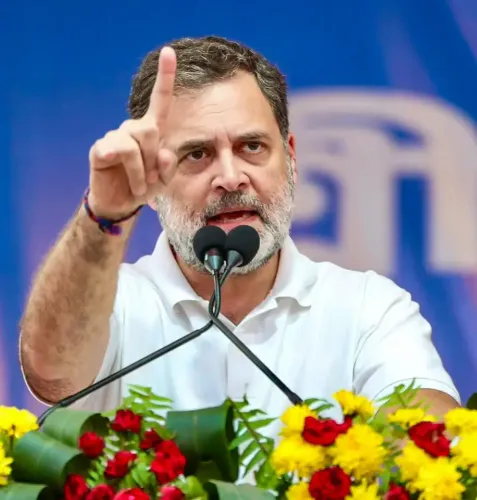
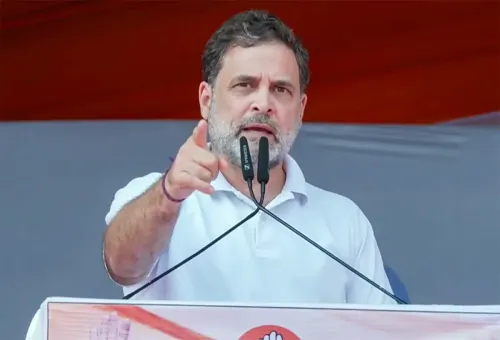
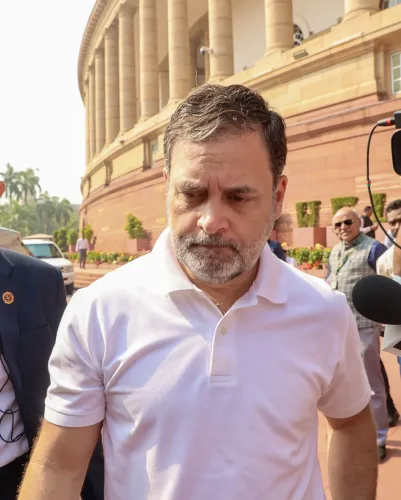
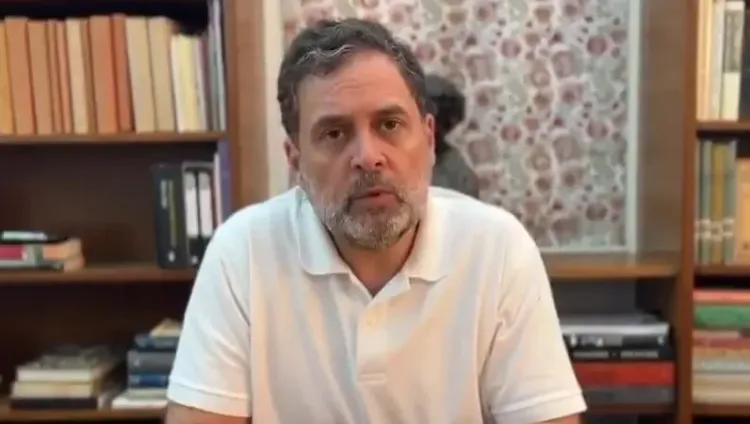
New Delhi, Feb 14 (NationPress) Rahul Gandhi, the Leader of Opposition in Lok Sabha, vehemently criticized the Indian government on Saturday regarding its trade agreement with the United States, asserting that the deal could devastate India's textile industry and severely impact cotton farmers.
In a video message shared on X, Gandhi expressed that millions of jobs are at risk. "The textile sector in India supports 50 million families. Narendra Modi's deal with the US threatens to ruin India's textile industry. This is known by Modi and the entire nation," he stated.
Gandhi pointed out that the agreement's tariff structure disadvantages India in comparison to Bangladesh.
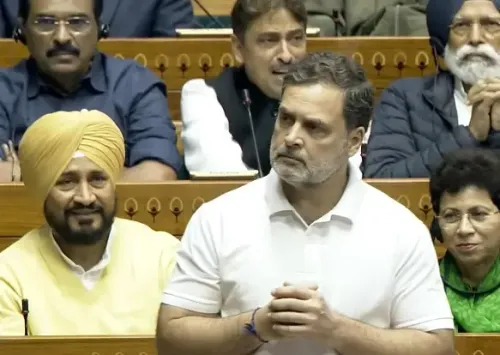
"I clarified in Parliament that while Bangladesh enjoys a 0 percent tax rate, India faces an 18 percent tax. This disparity will lead to Bangladesh's textile industry overpowering India's," he explained.
He also referred to comments from a Union Minister who suggested that importing US cotton could yield similar benefits.
Disputing this claim, he remarked, "One of Modi's ministers suggested that if we import US cotton, we would gain equal benefits. The reality is that our cotton supplies Bangladesh. Our cotton fuels India's textile mills. Opting for Bangladesh means jeopardizing our cotton farmers and the cotton industry. If we don't, our textile sector will suffer. This is the reality. Piyush Goyal should stop lying. I call this a surrender, because this deal threatens to either destroy the cotton farmer, the textile industry, or both," he asserted.
He accused the government of failing to foresee shifts in Bangladesh's sourcing strategy. "Now, their Minister is unaware that Bangladesh might cease cotton imports from India and turn to the US. This is Modi's US deal," Gandhi added.
Characterizing cotton farming and textile production as the foundation of livelihoods in India, Gandhi warned that weakening these sectors would have serious repercussions. "Harming these sectors risks pushing millions into unemployment and economic turmoil," he asserted.
He contrasted the current agreement with what he deemed a more prudent approach. "A forward-thinking government would have negotiated a deal that safeguards the interests of cotton farmers and textile exporters. Instead, Modi and his ministers have agreed to terms that could be profoundly damaging to both sectors," he stated.
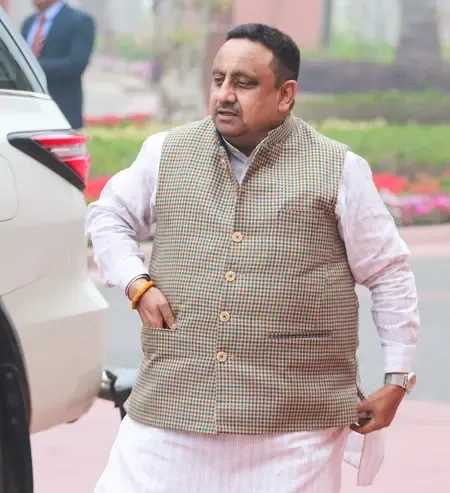
Gandhi's comments prompted a quick response from BJP MP Nishikant Dubey, who accused him of spreading falsehoods and dared him to engage in a public debate.
Dubey questioned the actual necessity and scale of US cotton imports for India's textile sector, alongside India's domestic cotton production, the conditions of Indian cotton farmers, and the textile mills, linking Gandhi's statements to alleged ties with "naxalite movements" supported by figures like George Soros.
"The requirements for cotton farming, textile production, and Rahul Gandhi's connections with Soros? What a monumental lie! I challenge you to debate on any platform," Dubey posted on X, directly addressing the Leader of Opposition.
This challenge arises amid escalating political tensions, including Dubey's recent motion in Lok Sabha seeking Rahul Gandhi's disqualification over broader allegations of unethical behavior and anti-national affiliations, referencing a 1978 precedent that led to Indira Gandhi's removal from Parliament.
Point of View
The ongoing debate regarding the India-US trade agreement underscores pressing concerns about the future of key industries. While Rahul Gandhi's criticisms highlight potential vulnerabilities, the counterarguments from political opponents reflect the complexities of trade negotiations. It is essential for all stakeholders to engage in informed discussions that prioritize the welfare of farmers and workers in the textile sector.
NationPress
26 Sept 2026
Frequently Asked Questions
What are the main concerns raised by Rahul Gandhi regarding the India-US trade deal?
Rahul Gandhi has expressed that the trade agreement could significantly harm India's textile industry and cotton farmers, alleging that it places India at a disadvantage compared to Bangladesh.
How does the tariff structure affect India's textile sector?
Gandhi argues that under the current agreement, India faces an 18% tax while Bangladesh enjoys a 0% tax, potentially leading to a decline in India's textile industry.
What was the response from BJP MP Nishikant Dubey?
Nishikant Dubey challenged Gandhi to a public debate, questioning the necessity of US cotton imports and linking Gandhi's statements to alleged political affiliations.
What impact does Gandhi claim the deal will have on cotton farmers?
Gandhi asserts that the deal could either devastate cotton farmers or the textile industry, leading to widespread unemployment and economic hardship.
Why is this political discourse significant?
This discussion is crucial as it highlights the intersection of trade policy, economic stability, and the livelihoods of millions in India, emphasizing the need for careful consideration of trade agreements.