Giriraj Singh hails Chhattisgarh bell-metal artists at Rashtrapati Bhavan
Synopsis
Union Textiles Minister Giriraj Singh praised Chhattisgarh's bell-metal artisans after their visit to Rashtrapati Bhavan, where President Draupadi Murmu honoured their centuries-old craft — spotlighting India's tribal handicraft traditions at the country's highest institutional platform.
Key Takeaways
Union Textiles Minister Giriraj Singh acknowledged a meeting between Chhattisgarh's bell-metal artisans and President Draupadi Murmu at Rashtrapati Bhavan on 17 November 2026 .
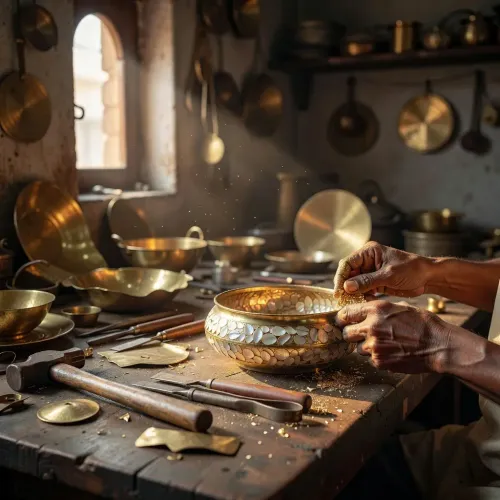
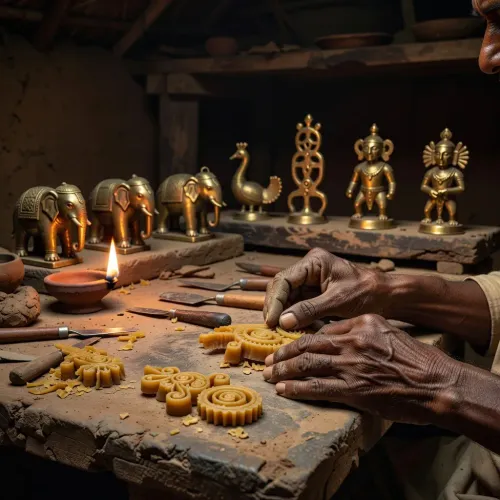
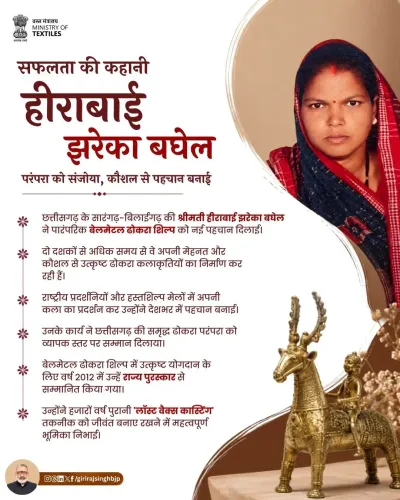
Bell-metal craft , rooted in the tribal regions of Chhattisgarh including Bastar , uses the ancient lost-wax casting process — each piece is unique and irreproducible by machine.
President Murmu , herself from a tribal community, is a symbolically significant host for artisans from India's tribal belts.
Rashtrapati Bhavan periodically hosts regional craft showcases, providing artisans rare institutional visibility that can feed into award cycles and export promotion.
The Ministry of Textiles, led by Singh, oversees handicraft promotion policies that directly affect artisan livelihoods and craft documentation.
When the craftspeople who keep an ancient metal-casting tradition alive walked into Rashtrapati Bhavan, they carried with them centuries of Chhattisgarh's tribal artistry — and on Tuesday, 17 November 2026, Union Textiles Minister Giriraj Singh marked the moment as a proud affirmation of India's living craft heritage.
Singh posted on X in Hindi, writing: 'राष्ट्रपति श्रीमती द्रौपदी मुर्मू जी से छत्तीसगढ़ के बेलमेटल शिल्पकारों की मुलाकात और राष्ट्रपति भवन में उनकी कला को मिला सम्मान...' — 'The meeting of Chhattisgarh's bell-metal artisans with President Smt. Draupadi Murmu and the honour accorded to their art at Rashtrapati Bhavan reflects the distinctive identity of Chhattisgarh's rich cultural heritage. Salutations to all artisans who have kept this art alive across generations.'
Bell-metal craft and Chhattisgarh's tribal identity
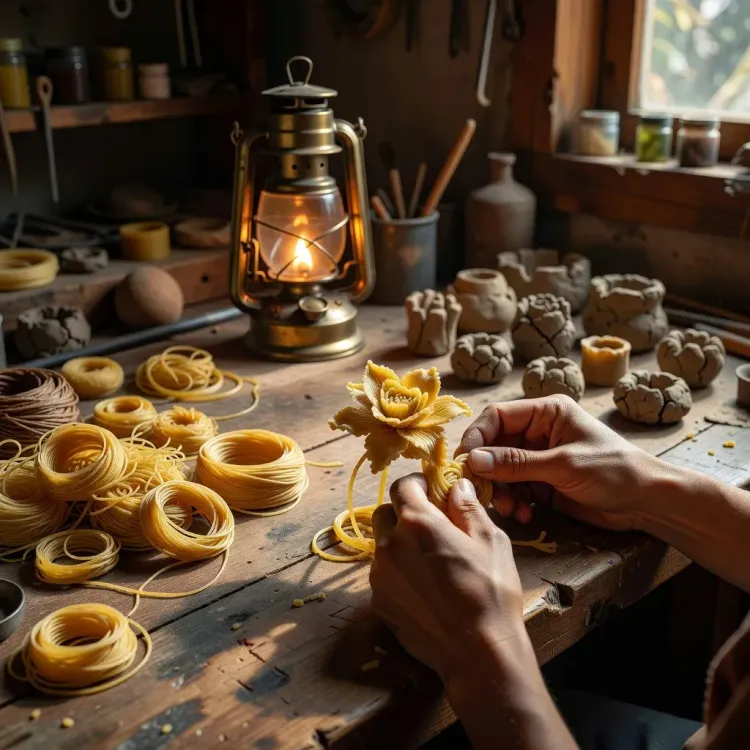
Bell-metal work — locally known as dhokra in some traditions — is among the oldest non-ferrous metal-casting techniques practised in India, with deep roots in the tribal belts of Bastar and surrounding regions of Chhattisgarh. Artisans use the lost-wax process, shaping figures of deities, animals, and everyday life from wax threads before encasing them in clay and pouring molten metal. Each piece is unique; no mould survives the casting. The craft has no factory equivalent. It lives entirely in the hands of families who have passed the skill down across generations.
President Murmu — a symbolically resonant host
President Draupadi Murmu, who took office in July 2022 as the first woman from a tribal community to serve as India's head of state, brings particular weight to such encounters. Her own roots in Odisha's Santali community mean that hosting tribal artisans from Chhattisgarh at Rashtrapati Bhavan carries a symbolic charge well beyond ceremonial hospitality. The residence has periodically served as a stage for regional craft showcases, giving artisans from India's hinterlands access to the country's most prominent institutional platform.
Central push to spotlight living craft traditions
The Ministry of Textiles, which Giriraj Singh leads, sits at the intersection of handloom policy, handicraft promotion, and artisan welfare — making his acknowledgement of the bell-metal community more than a social-media salute. Central government programmes have long sought to document and elevate craft traditions from India's tribal belts, linking them to national awards cycles, export promotion, and the Republic Day celebrations. For the artisans themselves, visibility at this level can translate into inclusion in GI-tag applications, national craft awards, and state-level exhibition circuits.
The craftspeople of Chhattisgarh have kept an art form alive that predates most written records. Getting that acknowledged at the seat of the republic is not a small thing — and Singh's post signals that the Ministry is watching.
Point of View
Lending them a weight that a purely ceremonial event might not carry. For the Ministry of Textiles, publicly noting artisan recognition at Rashtrapati Bhavan keeps the GI-tag and craft-award pipeline politically visible. The broader arc here is one of institutionalising recognition for craft communities who have historically operated at the economy's informal margins.
NationPress
17 Nov 2026
Frequently Asked Questions
What is bell-metal craft from Chhattisgarh?
Bell-metal craft, associated with the tribal regions of Chhattisgarh such as Bastar, is an ancient non-ferrous metal-casting tradition that uses the lost-wax process. Artisans create unique figurines and objects by shaping wax models, encasing them in clay, and pouring molten metal — each finished piece is one of a kind.
Why did Chhattisgarh artisans visit Rashtrapati Bhavan?
Chhattisgarh's bell-metal artisans met President Draupadi Murmu at Rashtrapati Bhavan as part of periodic cultural showcases the presidential residence hosts to spotlight India's regional craft traditions.
What did Giriraj Singh say about the artisans?
Singh posted on X praising the artisans, saying the meeting with President Murmu reflects the distinctive identity of Chhattisgarh's rich cultural heritage and offering 'salutations to all artisans who have kept this art alive across generations.'
Who is President Draupadi Murmu?
Draupadi Murmu is the President of India since July 2022 and the first woman from a tribal community to hold the office, making her a symbolically resonant host for India's tribal artisan communities.
What is Giriraj Singh's role in promoting handicrafts?
As Union Minister of Textiles, Giriraj Singh oversees policies related to handloom, handicrafts, and artisan welfare, including schemes that link traditional craft communities to national award cycles, GI-tag applications, and export promotion.