Giriraj Singh Reviews Handicraft Office, Plants Tree on World Environment Day
Synopsis
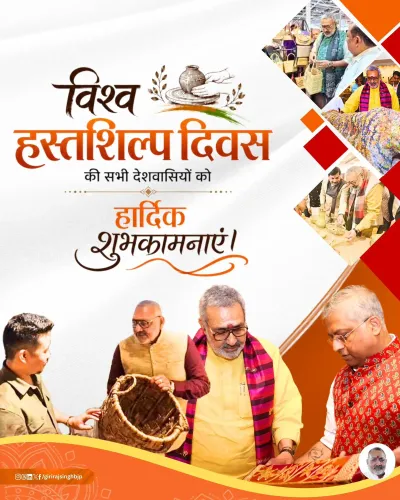
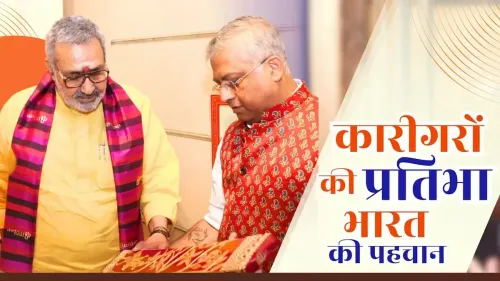
Union Textiles Minister Giriraj Singh visited 'The Kunj' and the Handicraft office at Vasant Kunj on World Environment Day, 5 June 2026, reviewing activities related to artisan empowerment, skill development, and sustainable growth. He also planted a tree, reaffirming the Ministry's green development commitment.
Key Takeaways
Giriraj Singh visited 'The Kunj' and the Handicraft office at Vasant Kunj, New Delhi on 5 June 2026 .
The visit coincided with World Environment Day , observed annually on 5 June .
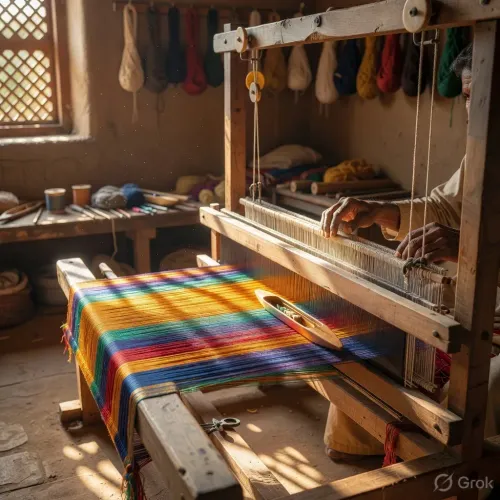
Discussions covered sustainable development, innovation, skill enhancement, and empowerment of handicraft artisans .
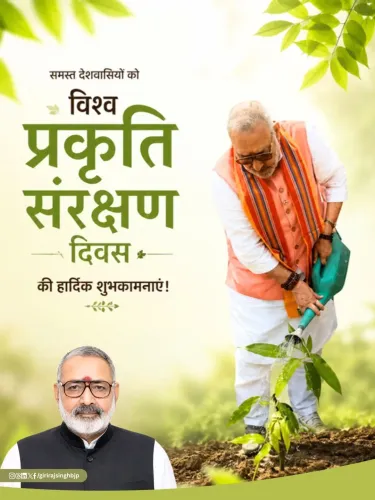
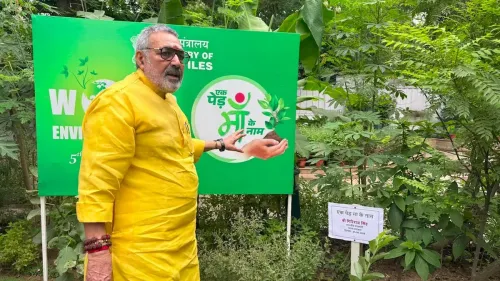
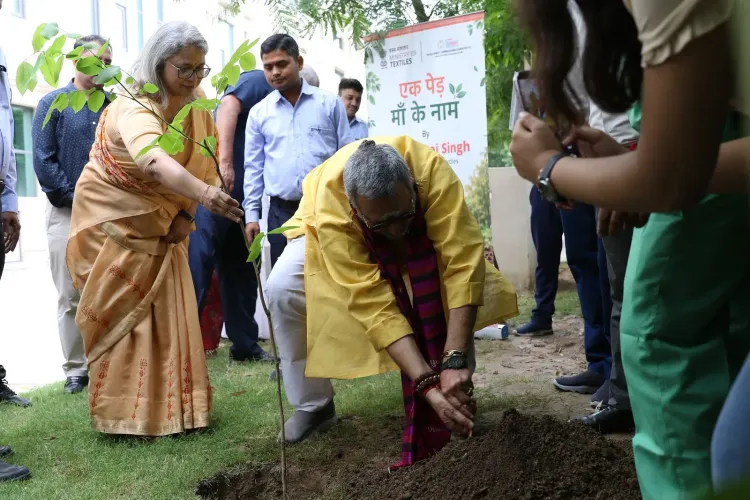
The minister conducted a tree-plantation drive during the visit as a symbol of green commitment.
The visit aligns with the National Handloom Development Programme and Green India Mission policy frameworks.
Key stakeholders include handicraft artisans and textile MSMEs dependent on ministry support for market access and skill development.
Union Textiles Minister Giriraj Singh on Friday, 5 June 2026 — World Environment Day — visited 'The Kunj' and the Handicraft office at Vasant Kunj, New Delhi, conducting a detailed review of ongoing activities and operations in the handicrafts sector. The minister also planted a sapling during the visit, reaffirming his commitment to environmental conservation and green development.
Context
Posting on X in Hindi, Giriraj Singh said he visited 'The Kunj' and the Handicraft office at Vasant Kunj to review activities and work being carried out there. He noted that during the visit, detailed discussions were held on topics including 'hast shilp kshetra ka satat vikas, navachar, kaushal samvardhan tatha karigaroon ke sashaktikaran' — that is, sustainable development of the handicraft sector, innovation, skill enhancement, and artisan empowerment. The visit coincided with World Environment Day, observed annually on 5 June under the United Nations framework, and the minister used the occasion to conduct a tree-plantation drive.
Policy Backdrop
The visit aligns with a broader administrative pattern of ministerial field reviews aimed at monitoring implementation of skill, innovation, and sustainability goals across the textiles and handicrafts sectors. The National Handloom Development Programme, expanded in 2015, has been a key vehicle for supporting artisan clusters through skill upgradation, design innovation, and market linkages. India's Green India Mission, part of the National Action Plan on Climate Change, has promoted afforestation and sustainable practices across rural industries including textiles — providing the policy scaffolding for combining sectoral reviews with environmental commitments.
Vasant Kunj in South Delhi hosts several central government offices and export-promotion facilities linked to the Ministry of Textiles and handicraft bodies, making it a key operational hub for such oversight visits.
Stakeholders and Impact
The primary stakeholders of the discussions are handicraft artisans and textile micro, small and medium enterprises (MSMEs) whose livelihoods depend on policy support for skill development, market access, and design innovation. Artisan empowerment has been a recurring theme in textiles policy, with successive governments seeking to integrate environmental objectives into sector-level growth strategies. The minister's dual focus — administrative review alongside tree plantation — signals an intent to align industry expansion with climate commitments at the ground level.
The hashtags #NowForClimate and #WorldEnvironmentDay used by Singh in his post place the visit explicitly within the global conversation on climate action, indicating that the Ministry is positioning handicraft development as part of India's broader sustainability narrative.
What's Next
Observers will watch for follow-up announcements from the Ministry of Textiles on revised guidelines for green handicraft clusters or new artisan welfare measures that may emerge from the review. Parliamentary discussions on the Textiles Ministry's budget allocations and any updated frameworks for sustainable handicraft production are also likely to reflect the priorities flagged during this visit. The combination of administrative oversight and environmental symbolism on World Environment Day sets the tone for how the Ministry may frame its upcoming policy communications.
Point of View
A pattern increasingly common in ministerial communication under the current government. By pairing a sector review with tree plantation and tagging global climate hashtags, the Textiles Ministry is positioning handicraft development within India's sustainability narrative ahead of potential budget and policy announcements. The visit also signals Singh's hands-on approach to a portfolio that spans millions of artisan livelihoods, where grassroots engagement is as politically significant as legislative action. Stakeholders will watch whether this review translates into concrete policy revisions or remains largely symbolic.
NationPress
20 Sept 2026
Frequently Asked Questions
Why did Giriraj Singh visit the Vasant Kunj Handicraft office?
Giriraj Singh visited the Handicraft office and 'The Kunj' at Vasant Kunj on 5 June 2026 to review ongoing activities and operations, with discussions focused on sustainable development, innovation, skill enhancement, and artisan empowerment in the handicraft sector.
What is 'The Kunj' in Vasant Kunj?
'The Kunj' is a facility at Vasant Kunj in South Delhi associated with the Ministry of Textiles and handicraft promotion activities. Its exact operational status has not been fully detailed in public records.
What did Giriraj Singh do on World Environment Day 2026?
On World Environment Day, 5 June 2026, Giriraj Singh planted a tree at the Vasant Kunj Handicraft office, reaffirming the Ministry's commitment to environmental conservation and green development alongside his administrative review.
What is the National Handloom Development Programme?
The National Handloom Development Programme, expanded in 2015, supports artisan clusters across India through skill upgradation, design innovation, and market linkages for handicraft and handloom products.
What are the key issues for handicraft artisans in India?
Key issues include access to skill development, design innovation, sustainable production practices, market linkages, and financial support — all areas that the Ministry of Textiles addresses through programmes like the National Handloom Development Programme and Green India Mission.