Giriraj Singh hails AABHAR Collection launch on GeM
Synopsis
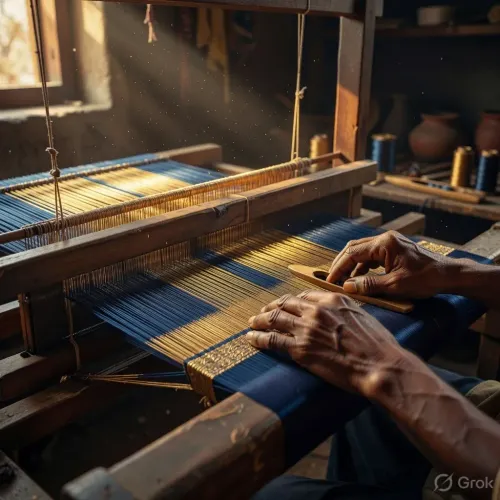
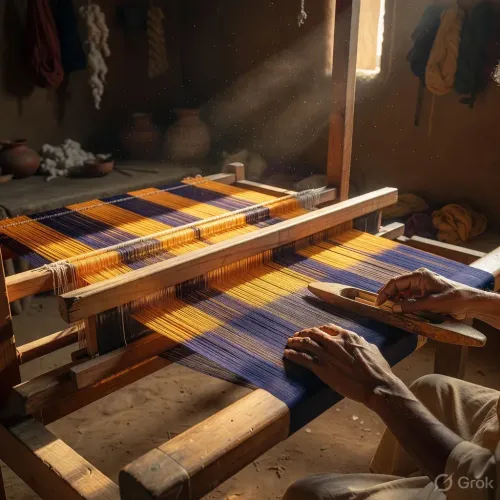
Union Textiles Minister Giriraj Singh has welcomed the launch of 'The AABHAR Collection' on Government e-Marketplace (GeM), saying it will give India's weavers, artisans and women entrepreneurs direct access to a vast institutional procurement market and a fresh platform for the country's craft heritage.
Key Takeaways
The AABHAR Collection is a dedicated section on Government e-Marketplace (GeM) featuring Indian handicrafts, handlooms and locally made products.
Union Textiles Minister Giriraj Singh endorsed the initiative on 27 October 2026 , calling it a praiseworthy step for artisanal and handloom sectors.
GeM was launched as a pilot in 2016 and is India's primary digital platform for government procurement of goods and services.
The collection is expected to benefit weavers, artisans and women entrepreneurs by connecting them with large institutional buyers.
The initiative continues a broader policy pattern of integrating MSME and craft producers into government digital procurement channels.
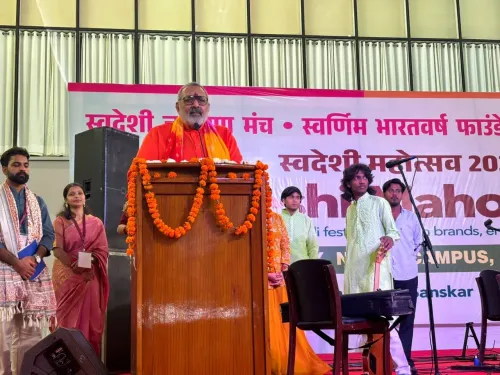
A dedicated storefront for India's weavers, artisans and women entrepreneurs just opened inside the country's largest government procurement platform — and Union Textiles Minister Giriraj Singh has welcomed it as a long-overdue bridge between age-old craft traditions and institutional buying power.
On Tuesday, 27 October 2026, Minister Singh took to X to praise the launch of 'The AABHAR Collection' on the Government e-Marketplace (GeM), calling it a commendable initiative to promote Indian handicrafts, handlooms and locally made products. In his words, 'देश के बुनकरों, कारीगरों और महिला उद्यमियों को अपने उत्पादों के लिए व्यापक बाजार मिलेगा' — 'the country's weavers, artisans and women entrepreneurs will now find a wider market for their products.'
What GeM's AABHAR Collection means for craft clusters
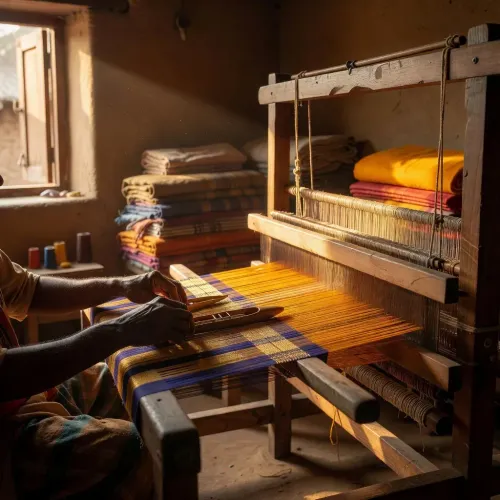
GeM was piloted in 2016 and has since grown into India's central digital procurement gateway for central and state government departments. Its core promise is simple: cut out the middlemen and connect suppliers directly to institutional buyers. The AABHAR Collection applies that same logic specifically to the handloom and handicraft sector — segments that have historically struggled to break into large, reliable procurement channels despite producing some of India's most celebrated textiles and artworks.
Successive governments have attempted to link craft clusters with institutional buyers, but scale has always been the constraint. A curated GeM collection changes the geometry: government departments, PSUs and other eligible buyers now have a single, verified storefront where they can source handcrafted and handloom goods, giving artisanal producers access to a procurement ecosystem that processes billions of rupees in orders annually.
Women entrepreneurs in the spotlight
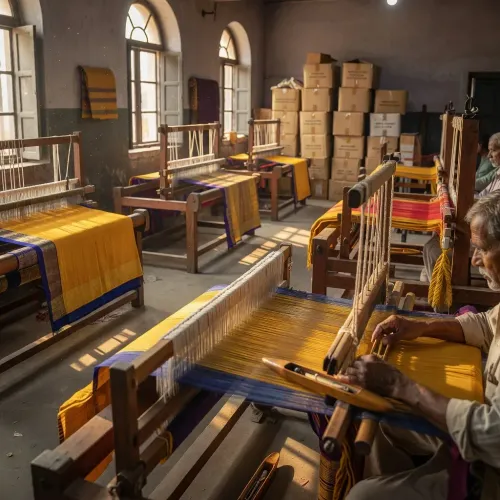
Minister Singh's post explicitly highlights women entrepreneurs alongside weavers and artisans — a signal that the collection is designed to surface producers from self-help groups, women-led MSME units and cottage industries that have historically been invisible to large buyers. India's handloom sector employs millions of women, particularly in states like West Bengal, Odisha, Andhra Pradesh, Telangana and Uttar Pradesh, making market access a direct livelihood issue, not an abstract policy goal.
The minister also noted that the initiative would give India's rich craft heritage 'a new identity' — underscoring the cultural dimension of what is, at its core, an economic intervention. When government itself becomes a buyer of handmade goods, it sends a signal that travels well beyond the procurement portal.
Whether the AABHAR Collection translates into meaningful order volumes will depend on buyer uptake and whether departments are nudged — or mandated — to source from the collection. That is the number to watch.
Point of View
Endorsing the collection publicly reinforces the government's 'vocal for local' positioning and signals that institutional procurement, not just export promotion, is now a strategic lever for the handloom sector. The real test will be whether buyer behaviour on GeM shifts measurably, since voluntary procurement preferences have historically yielded uneven results without clear targets or mandates. If the AABHAR Collection drives visible order volumes, it could become a template for state-specific craft collections on the same platform.
NationPress
27 Oct 2026
Frequently Asked Questions
What is The AABHAR Collection on GeM?
The AABHAR Collection is a dedicated storefront on the Government e-Marketplace (GeM) that features Indian handicrafts, handloom textiles and locally made products, designed to connect weavers, artisans and women entrepreneurs with government institutional buyers.
What is GeM and who can buy on it?
GeM — Government e-Marketplace — is India's central digital procurement platform, launched in 2016, where central and state government departments, public sector units and other eligible organisations purchase goods and services directly from registered sellers.
How does AABHAR Collection help weavers and artisans?
By listing on a curated GeM collection, weavers and artisans gain direct access to large institutional buyers — government departments and PSUs — without going through traditional trade intermediaries, widening their market and potentially stabilising incomes.
Why did Giriraj Singh comment on the AABHAR Collection?
As Union Minister of Textiles, Giriraj Singh oversees policy for India's handloom and handicraft sectors. His public endorsement of the AABHAR Collection signals ministerial support and highlights the initiative's alignment with the government's push to promote local and artisanal products through digital procurement.
Which states could benefit most from the AABHAR Collection on GeM?
States with large handloom and handicraft clusters — including West Bengal, Odisha, Andhra Pradesh, Telangana, Uttar Pradesh and the North-East — stand to benefit most, as artisans and weavers from these regions would gain access to institutional buyers nationwide through the GeM platform.