Giriraj Singh Champions Make in India on Global Stage
Synopsis
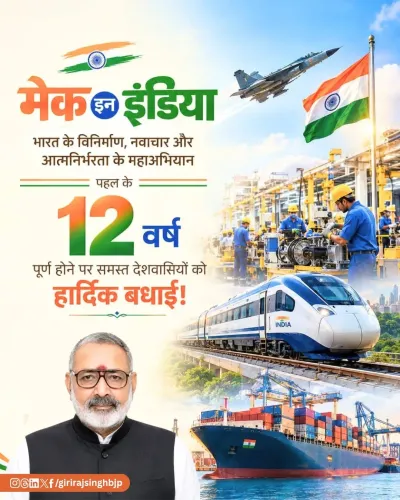
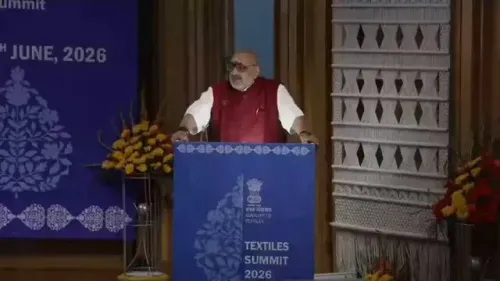
Union Textiles Minister Giriraj Singh amplified the Make in India vision on August 12, 2026, framing India's manufacturing programme as a global supply-chain proposition under the tagline 'Making for the World', with textiles and PLI incentives at the centre of the push.
Key Takeaways
Union Textiles Minister Giriraj Singh posted on X on August 12, 2026 , promoting the Make in India initiative with the phrase 'Making for the World'.
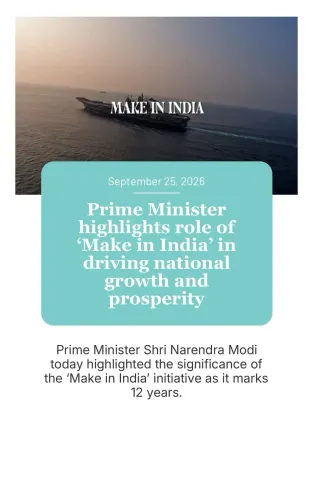
Make in India was launched by PM Narendra Modi in September 2014 to boost domestic manufacturing and attract foreign investment.
The textiles sector is a priority under the initiative, with the Production Linked Incentive (PLI) scheme targeting man-made fibre and technical textiles.
Singh's framing signals a pivot from import substitution to export-led global integration of Indian manufacturing.
The BJP-led government has maintained a sustained, cross-ministry campaign to keep Make in India prominent in public and policy discourse.
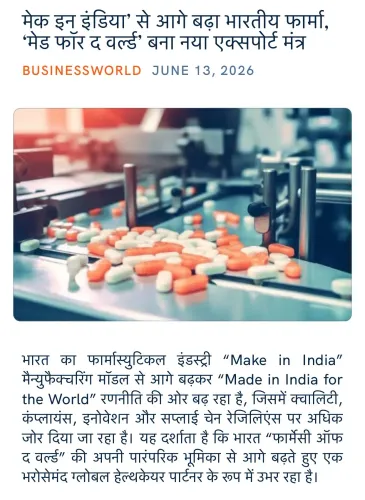
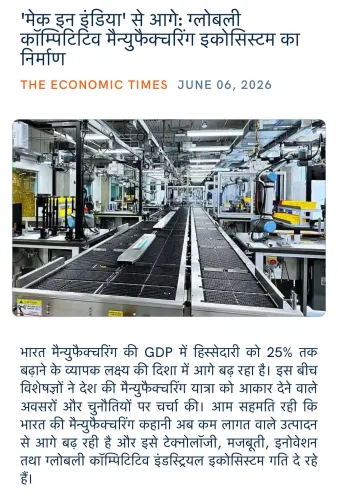
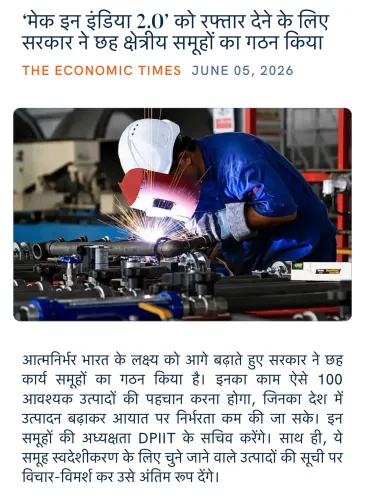
India's flagship manufacturing push is getting fresh airtime — and this time, the message is aimed squarely at the world. On Wednesday, August 12, 2026, Union Textiles Minister Giriraj Singh amplified the Make in India vision on X, framing it not merely as a domestic industrial programme but as a global supply-chain proposition: 'मेक इन इंडिया, मेकिंग फॉर द वर्ल्ड' ('Make in India, Making for the World').
A Decade-Old Slogan, a Sharper Edge
Prime Minister Narendra Modi launched the Make in India initiative in September 2014 with a single headline ambition: raise manufacturing's share of GDP and pull global investment onto Indian soil. Twelve years on, the phrase has evolved from a domestic rallying cry into an export-oriented identity. Singh's framing — 'Making for the World' — captures that evolution precisely. It signals a shift from import substitution to global integration, from factory floors serving Indian consumers to supply chains serving international buyers.Why Textiles Sits at the Centre of This Argument
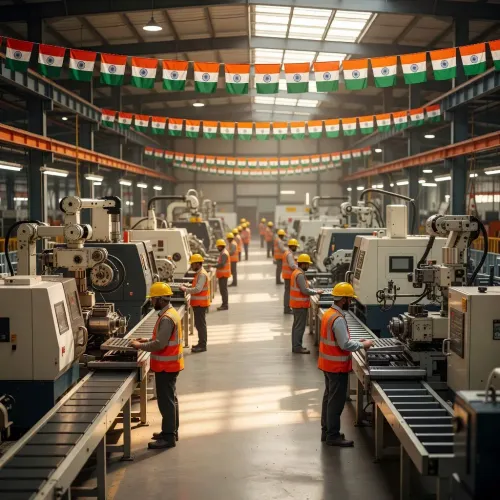
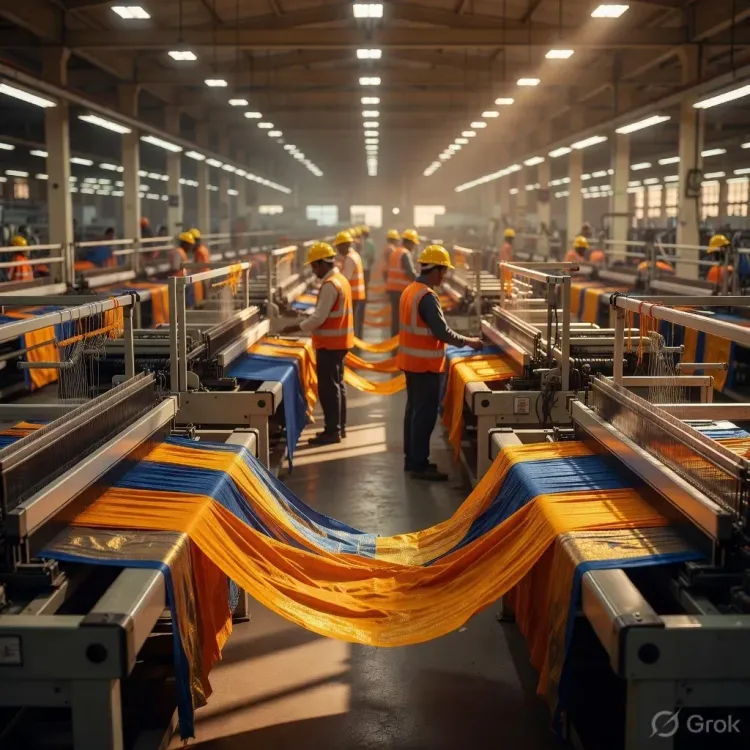
For Singh's own ministry, the stakes are concrete. Textiles is one of India's largest employment generators and a priority sector under successive policy frameworks, including the 2016–2026 Apparel and Textiles policy roadmap. The sector has been a direct beneficiary of the Production Linked Incentive (PLI) scheme, designed to pull investment into man-made fibre and technical textiles — segments where India has historically trailed China and Bangladesh. Every yard of fabric exported is, in effect, Make in India made visible on a global shelf.The Broader BJP Manufacturing Push
Singh's post is part of a sustained, cross-ministry drumbeat by the BJP-led government to keep Make in India visible in public discourse. MSME exporters and textile manufacturers — the backbone of districts like Begusarai, Surat, Tiruppur, and Ludhiana — stand as the human face of this ambition. The government's bet is that consistent messaging, paired with PLI incentives and trade diplomacy, can reposition India as the world's next great manufacturing address. The real test, of course, is not the slogan — it is the shipment data. Watch for implementation updates on the PLI textiles tranche and any new export targets in upcoming trade statements.Point of View
Import-substitution posture to an offensive, export-led global pitch — a framing shift that carries real policy weight as India competes with China, Vietnam, and Bangladesh for global supply-chain share. For the textiles ministry specifically, 'Making for the World' is not rhetorical: PLI disbursements and export performance in man-made fibres will be the empirical test of whether the slogan translates to shipments. The sustained cross-ministry amplification also suggests the government is preparing the narrative ground ahead of trade negotiations or budget announcements where manufacturing targets will need public justification. Politically, it keeps a core BJP economic achievement in the news cycle as the 2014 launch anniversary approaches.
NationPress
27 Sept 2026
Frequently Asked Questions
What is Make in India and who launched it?
Make in India is a flagship central government initiative launched by Prime Minister Narendra Modi in September 2014 to boost domestic manufacturing, increase its share of GDP, and attract foreign investment into Indian industry.
What did Giriraj Singh post about Make in India?
Union Textiles Minister Giriraj Singh posted on X on August 12, 2026 , promoting the Make in India programme with the framing मेक इन इंडिया, मेकिंग फॉर द वर्ल्ड — 'Make in India, Making for the World' — emphasising India's ambition as a global manufacturing hub.
What is the PLI scheme for textiles?
The Production Linked Incentive (PLI) scheme for textiles is a central government programme designed to attract investment into man-made fibre and technical textiles segments, offering financial incentives tied to incremental production and exports.
Why is textiles important to the Make in India initiative?
Textiles is one of India's largest employment-generating sectors and a priority under successive policy frameworks. It is directly integrated into the Make in India push through PLI incentives and export promotion, with the goal of positioning India competitively against manufacturing rivals in global supply chains.
What does 'Making for the World' mean in the context of Make in India?
'Making for the World' signals a strategic evolution of Make in India — moving beyond domestic import substitution toward integrating Indian factories into global supply chains and positioning India as a major export-oriented manufacturing destination.