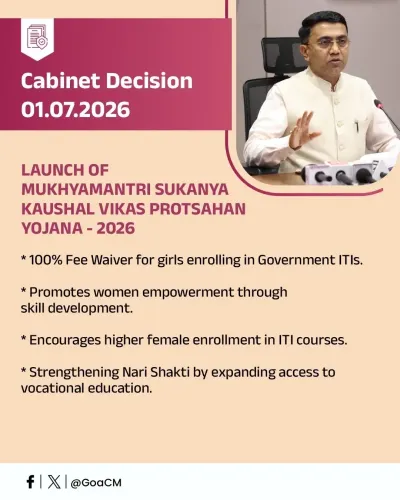
Goa Cabinet backs women in vocational education, cites Nari Shakti
Synopsis
The Goa Cabinet has decided to increase female participation in vocational education, invoking the Nari Shakti framework and the Swayampurna Goa self-reliance mission. The 1 July 2026 announcement aims to equip young women with job-ready skills to strengthen the state's economy.
Key Takeaways
The Goa Cabinet passed a formal decision on 1 July 2026 to encourage greater female participation in vocational education.
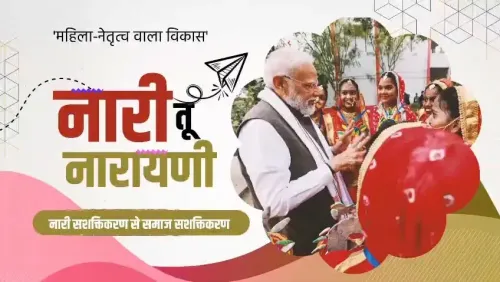
The move is framed under the Nari Shakti umbrella — the Government of India's women empowerment framework covering skill training and economic participation.
The decision is linked to Swayampurna Goa , the state's self-reliance mission aimed at building local skills and reducing dependence on external resources.
Primary beneficiaries are young women across Goa seeking job-oriented qualifications in sectors such as hospitality, healthcare, and technology.
Budget allocations, enrolment targets, and potential industry tie-ups for skill certification are expected to follow as implementation details.
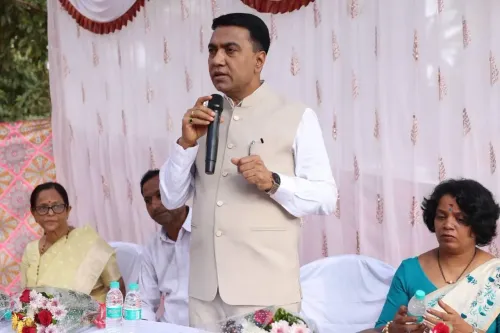
The Chief Minister's Office of Goa announced on Wednesday, 1 July 2026 that a Cabinet Decision has been taken to encourage greater female participation in vocational education, framing the move as a step to strengthen Nari Shakti and advance the state's Swayampurna Goa self-reliance mission.
The official post stated the government aims to equip young women 'with the skills needed to build successful careers and contribute to a Swayampurna Goa.' The announcement was made under the hashtags #NariShakti and #CabinetDecision, signalling a formal policy endorsement at the Council of Ministers level.
Context
Vocational education for women has long been identified as a gap in Goa's skill ecosystem. While the state enjoys relatively high literacy rates, female labour-force participation in formal, skilled employment has trailed male counterparts. A Cabinet-level decision specifically targeting female enrolment in vocational courses marks a deliberate attempt to close that gap. The move aligns with the broader national conversation on gender-mainstreaming within skill development, which gained momentum after the Skill India Mission was launched in 2015. States have since been encouraged to layer gender-focused components onto existing training infrastructure.Policy Backdrop
Swayampurna Goa is the state government's self-reliance mission designed to reduce dependence on external resources by building local skills and enterprises. Integrating women's vocational training into this mission signals that the government views female economic participation not as a welfare measure but as a structural pillar of the state's development model. Nari Shakti — the Government of India's umbrella framework for women empowerment — covers education, skill training, and economic participation. By invoking the Nari Shakti banner, Goa positions its Cabinet Decision within a nationally recognised policy vocabulary, potentially unlocking central support and convergence funding.Stakeholders and Impact
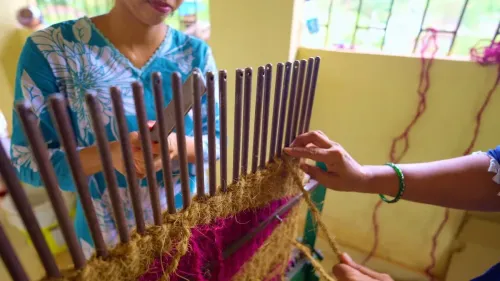
The primary beneficiaries are young women across Goa seeking job-oriented qualifications in sectors ranging from hospitality and healthcare to technology and crafts — industries where the state already has established economic activity. Vocational training institutes in the state are expected to see revised enrolment targets and possibly new curriculum mandates aligned to local employer demand. For families in semi-urban and rural pockets of Goa, accessible skill certification for daughters can translate directly into household income diversification. Industry bodies operating in the state's tourism, pharmaceutical, and services sectors stand to gain a larger, better-trained female talent pool.What's Next
The immediate watch-points are the specific programmatic details — budget allocation, enrolment targets, and course categories — that the government is expected to release as implementation guidelines follow the Cabinet Decision. Observers will also track whether the state announces industry tie-ups for recognised skill certification, a model that has proven effective in other states. State budget allocations and enrolment data for women-specific vocational courses in the next academic cycle will be the clearest test of whether this Cabinet Decision translates into measurable outcomes. A rise in certified female graduates from vocational streams would mark a tangible step toward the self-reliant, skill-driven Swayampurna Goa the government has committed to building.Point of View
The state government is attempting to recast women's skill development as an economic necessity rather than a social welfare gesture. The real test will come in the implementation details: without ring-fenced budgets and industry-linked certification, Cabinet decisions of this kind risk remaining aspirational. If followed through with measurable enrolment mandates, this could set a useful precedent for other small states with tourism-heavy economies seeking to diversify their female workforce.
NationPress
1 Jul 2026
Frequently Asked Questions
What did the Goa Cabinet decide about women's education on 1 July 2026?
The Goa Cabinet decided to encourage greater female participation in vocational education, aiming to equip young women with job-ready skills under the Nari Shakti framework and the Swayampurna Goa mission.
What is Swayampurna Goa?
Swayampurna Goa is the state government's self-reliance mission launched to achieve sustainable development by building local skills and enterprises, reducing dependence on external resources.
What is Nari Shakti in the context of this Goa Cabinet decision?
Nari Shakti is the Government of India's umbrella framework for women empowerment, covering education, skill training, and economic participation. Goa has invoked this framework to position its vocational education decision within a nationally recognised policy structure.
Who benefits from Goa's new vocational education decision for women?
Young women across Goa are the primary beneficiaries, particularly those seeking qualifications in sectors like hospitality, healthcare, and technology. Vocational training institutes and local employers also stand to gain a better-trained female workforce.
What should we watch for after this Goa Cabinet decision on women's skills?
Key watch-points include the government's budget allocation for women-specific vocational courses, enrolment targets, new curriculum mandates, and any industry tie-ups for skill certification announced in the coming months.