Goa CM Sawant Marks Emergency 'Black Day', Warns on Democracy
Synopsis
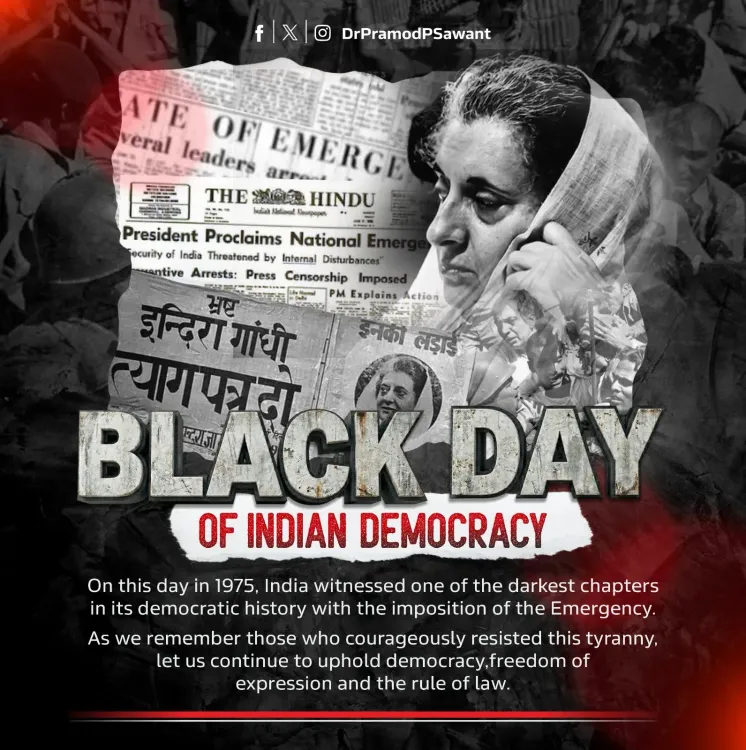
Goa Chief Minister Pramod Sawant marked the 51st anniversary of the 1975 Emergency on 25 June 2026, calling it a 'Black Day' and urging the protection of fundamental rights, press freedom, and constitutional institutions.
Key Takeaways
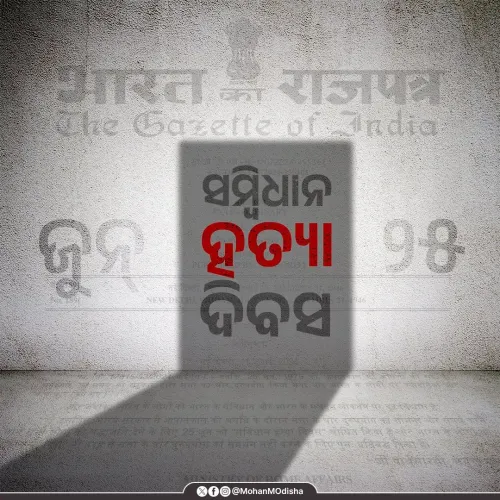
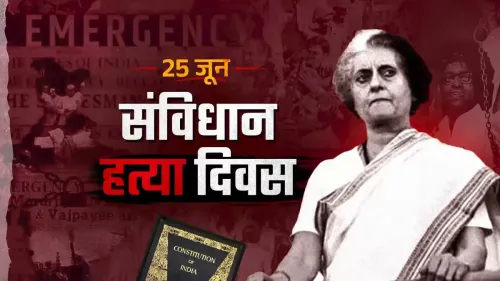
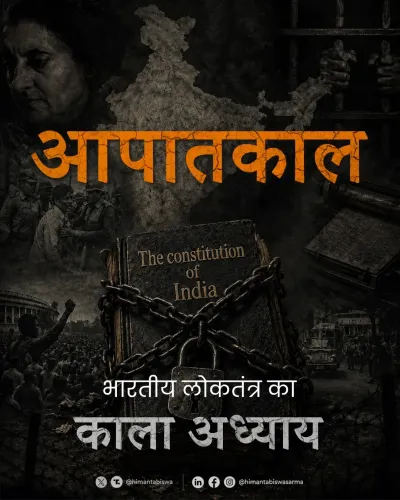
Goa CM Pramod Sawant marked 25 June 2026 as a 'Black Day' recalling the imposition of the Emergency in 1975 .
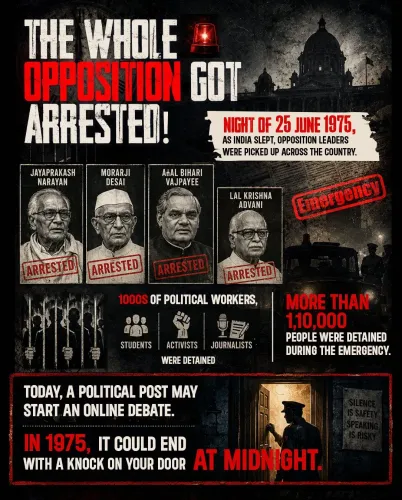
The Emergency lasted 21 months (June 1975 – March 1977) and involved suspension of civil liberties, press censorship, and mass arrests.
Sawant specifically cited 'suspension of civil liberties, curtailment of press freedom and imprisonment of political leaders and citizens.' The 44th Constitutional Amendment Act, 1978 restored judicial review and strengthened safeguards after the Emergency ended.
Annual Emergency commemorations are a consistent feature of BJP 's political messaging, emphasising constitutional protection and democratic values.
Sawant called on citizens to 'uphold democracy, freedom of expression and the rule of law.'
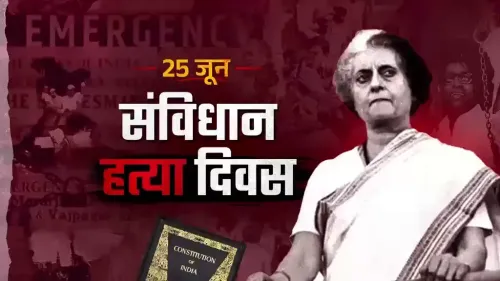
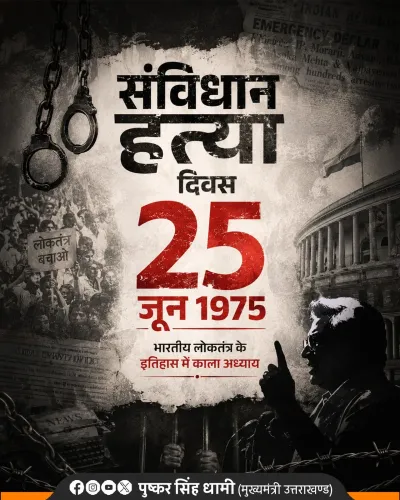
Goa Chief Minister Pramod Sawant on Thursday, 25 June 2026, marked the 51st anniversary of the imposition of the Emergency as a 'Black Day' in India's democratic history, calling for the continued protection of fundamental rights and constitutional institutions.
Context
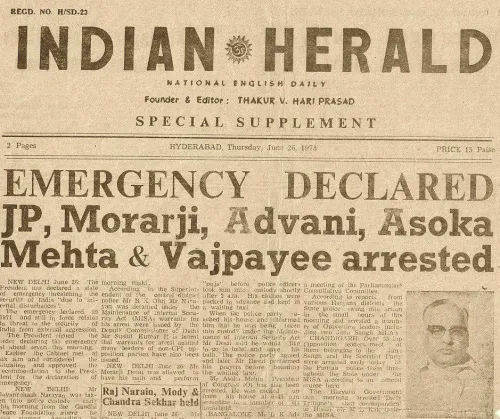
On 25 June 1975, then Prime Minister Indira Gandhi advised President Fakhruddin Ali Ahmed to proclaim a state of Emergency under Article 352 of the Constitution of India, citing 'internal disturbance.' The proclamation triggered a 21-month period — lasting until March 1977 — during which civil liberties were suspended, press freedom was curtailed, and political opponents, journalists, and ordinary citizens were imprisoned without trial.
CM Sawant's post described the period as 'one of the darkest chapters in its democratic history,' invoking the phrase 'Black Day' to characterise the anniversary. He specifically cited the 'suspension of civil liberties, curtailment of press freedom and imprisonment of political leaders and citizens who stood up for democratic values.'
Policy Backdrop
The Emergency saw sweeping changes to India's constitutional framework. Fundamental rights were effectively suspended, and the judiciary's power of review was curtailed through amendments pushed through a Parliament where the ruling party held an overwhelming majority.
After the Emergency ended with the 1977 general elections, the 44th Constitutional Amendment Act, 1978, was enacted to restore judicial review and strengthen safeguards against future proclamations of emergency. The amendment also removed the right to property from the list of fundamental rights, a change that endures to this day.
Opposition leader Jayaprakash Narayan, who had spearheaded a nationwide movement for peaceful resistance against the government, was among the most prominent figures arrested during the period. His call for democratic accountability had been a rallying point for those who resisted the Emergency.
Stakeholders and Impact
Annual commemorations of 25 June as 'Emergency Day' or 'Black Day' have become a fixture in BJP's political calendar, with leaders across the country using the occasion to emphasise constitutional safeguards and contrast the party's governance record with what they describe as Congress-era executive overreach.
Journalists and press-freedom advocates regard the Emergency as a defining moment in the history of Indian media, when newspapers faced pre-censorship and editors who refused to comply were removed. The period remains a reference point in debates about press freedom and the relationship between the state and independent institutions.
For citizens who lived through the Emergency — and for political prisoners of that era — the anniversary carries personal significance. CM Sawant's statement paid tribute to 'those who courageously resisted this tyranny,' acknowledging the personal cost borne by democratic dissenters.
What's Next
Commemorations by parties across the political spectrum are expected around future 25 June anniversaries, and references to the Emergency period continue to surface in parliamentary debates whenever proposed changes to constitutional provisions are debated. CM Sawant's statement underscores that the Emergency remains a live reference point in India's democratic discourse — a reminder, as he put it, of 'the importance of safeguarding the Constitution, protecting fundamental rights and preserving the democratic institutions that form the foundation of our nation.'
Point of View
Drawing a sharp contrast with what it frames as the Congress's record of executive overreach. By invoking press freedom, civil liberties, and the imprisonment of dissenters in a single post, Sawant aligns Goa's BJP leadership with a national narrative that has grown more prominent as the party seeks to consolidate its democratic credentials. The tribute to those who 'courageously resisted' the Emergency also serves to legitimise the legacy of the Janata movement, which remains ideologically significant to the BJP's founding lineage. As constitutional debates continue in India, such commemorations ensure that the Emergency remains a reference point rather than a settled historical footnote.
NationPress
25 Jun 2026
Frequently Asked Questions
What was the Emergency imposed in India in 1975?
The Emergency was a 21-month period from June 1975 to March 1977 during which Prime Minister Indira Gandhi's government suspended civil liberties, imposed press censorship, and imprisoned political opponents under Article 352 of the Constitution.
Why is 25 June called 'Black Day' in India?
25 June is referred to as 'Black Day' by many political leaders, particularly in the BJP, because it marks the date in 1975 when the Emergency was proclaimed, leading to the suspension of fundamental rights and democratic freedoms.
What did Goa CM Pramod Sawant say about the Emergency?
CM Pramod Sawant described the Emergency as 'one of the darkest chapters' in India's democratic history, called it a 'Black Day,' and urged citizens to uphold democracy, freedom of expression, and the rule of law.
What changes did the 44th Constitutional Amendment bring after the Emergency?
The 44th Constitutional Amendment Act of 1978 restored judicial review, tightened the conditions for proclaiming an Emergency, and removed the right to property from the list of fundamental rights.
Who was Jayaprakash Narayan and what was his role during the Emergency?
Jayaprakash Narayan was a veteran opposition leader who led a nationwide movement for peaceful democratic resistance against the government before the Emergency; he was arrested and imprisoned shortly after the proclamation.