Gujarat CM Bhupendra Patel orders timely farmer certificates, FIRs against repeat encroachers
Synopsis
Gujarat CM Bhupendra Patel used the October SWAGAT programme to issue statewide orders: collectors must issue farmer identity certificates on time, FIRs must be filed against repeat encroachers on government land, and sarpanches who neglect their duties face action. Over 4,953 grievances were actioned this cycle — a snapshot of the state's unresolved rural pressure points.
Key Takeaways
Gujarat CM Bhupendra Patel directed collectors to ensure timely issuance of Khedut Khatedar Pramanpatra (farmer certificates) across the state.
FIRs to be registered against repeat encroachers on government land, following a specific complaint from Anjar taluka, Kutch .
More than 170 applicants presented grievances in person at the Chief Minister's Office during the October State SWAGAT session on 22 October 2026 .
Action taken on over 4,953 representations — 2,200 at district level and 2,583 at taluka level — through SWAGAT this cycle.
Patel also directed the Water Supply Board and Irrigation Department to address drinking water and farm flooding issues, and called for rationalisation of panchayat taxes on rural industries.
Sarpanches failing to perform duties are also liable for action under the directives.
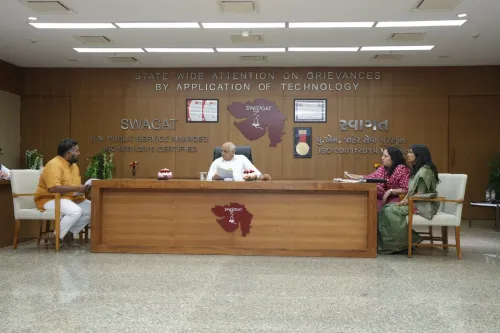
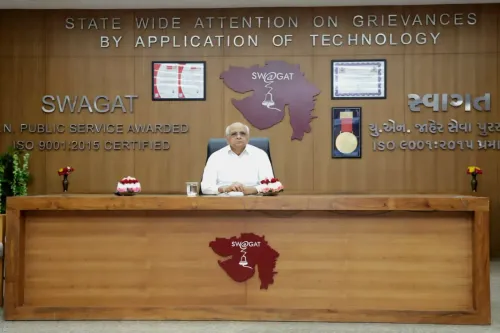
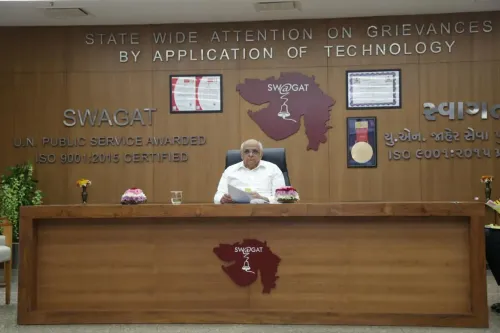
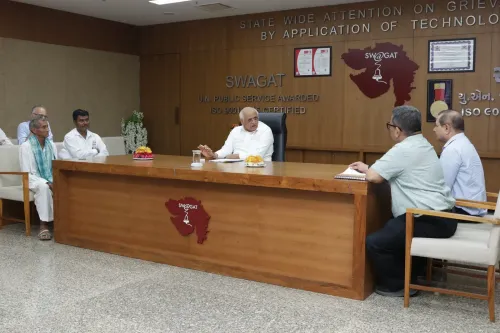
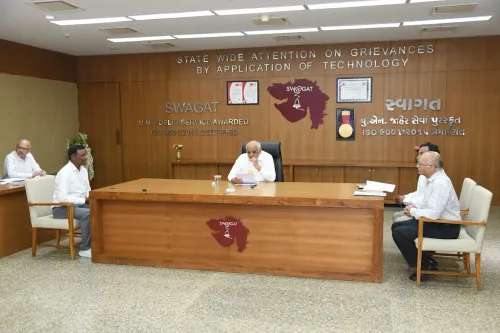
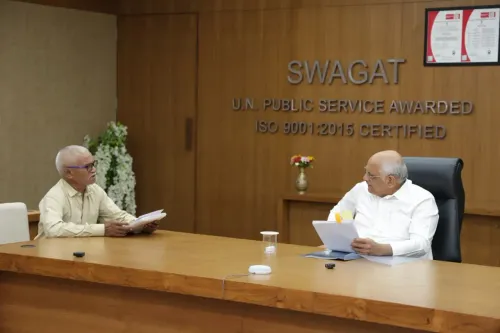
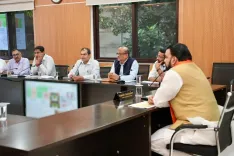
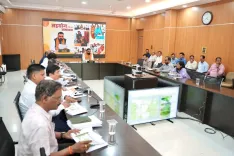
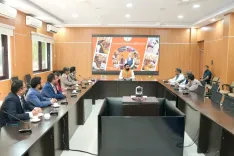
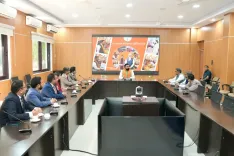
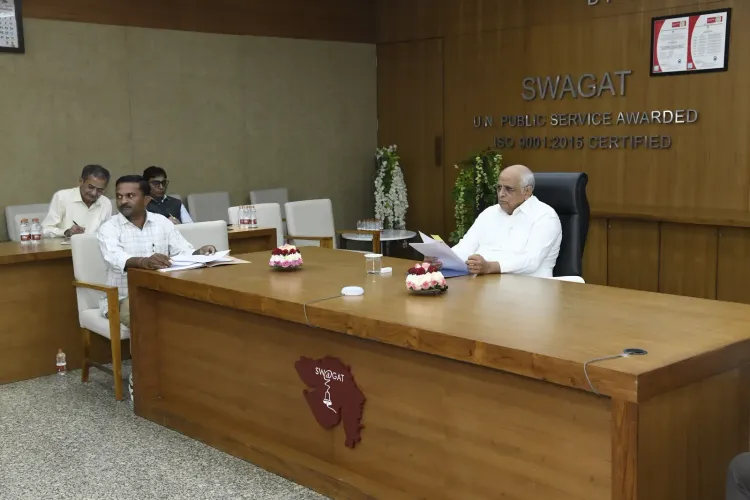
Gujarat Chief Minister Bhupendra Patel on Thursday, 22 October 2026, directed district collectors across the state to ensure the timely issuance of Khedut Khatedar Pramanpatra (farmer identity certificates) and to register FIRs against individuals repeatedly encroaching on government land. The directives were issued during the October State SWAGAT programme held at the Chief Minister's Office in Gandhinagar, a structured public grievance redressal initiative that connects citizens directly with senior officials.
Key Directions from the Chief Minister
Addressing a specific complaint about the non-issuance of a Khedut Khatedar Pramanpatra to a farmer from Shinay village in Gandhidham taluka of Kutch district, Chief Minister Patel directed the concerned collector to issue the certificate strictly in accordance with applicable rules. He then extended the instruction statewide, calling on all collectors to proactively resolve similar farmer grievances at the local level.
On the matter of encroachment on government land in Sugariya Modsar village of Anjar taluka in Kutch, Patel directed the collector to ensure the land was protected and issued a broader order for FIRs to be lodged against repeat offenders across Gujarat.
Water, Roads and Infrastructure Grievances Addressed
Water supply emerged as a prominent concern during the session. In response to a complaint from Orma village in Olpad taluka of Surat district over inadequate drinking water, the Chief Minister directed the local administration and the Water Supply Board to ensure adequate supply through proper planning. He also directed the Irrigation Department to implement technical measures to prevent farmland losses caused by overflowing lakes.
On a request for road construction in Mota Zinzavadar village of Botad district, Patel instructed the Roads and Buildings Department to act promptly. Land re-survey and farm water drainage were among other issues raised and addressed during the programme.
Scale of SWAGAT Programme This Month
More than 170 applicants presented their grievances in person at the Chief Minister's Office during Thursday's session. The state government reported that necessary action had been taken on more than 4,953 representations received through District and Taluka SWAGAT programmes — 2,200 at the district level and 2,583 at the taluka level. Secretaries and senior departmental officials attended from Gandhinagar, while district collectors participated via video conferencing.
Panchayat Accountability and Rural Industries
Patel also called for rationalising panchayat taxes levied on rural industries and warned of action against sarpanches who fail to discharge their official duties. This adds an accountability dimension to the session, signalling that the administration intends to hold elected local body representatives to performance standards alongside bureaucratic officials.
What the SWAGAT Programme Is
The SWAGAT (State-Wide Attention on Grievances by Application of Technology) programme provides both an online and in-person mechanism for citizens to seek redressal of public grievances directly from the Chief Minister's Office. Instituted as a flagship governance initiative in Gujarat, it has served as a model cited by other state governments. Thursday's session is part of the monthly cycle that brings unresolved or escalated grievances before the state's top executive.
With over 4,953 grievances actioned this cycle alone, the programme's reach underscores persistent citizen concerns around land records, water supply, and rural infrastructure — issues that will continue to test the state's administrative machinery in the months ahead.
Point of View
Recurring month after month in the state's own flagship grievance portal. Ordering FIRs against repeat encroachers is a stronger signal than typical administrative nudges, but its effectiveness depends entirely on whether collectors follow through — a variable SWAGAT has historically struggled to track. The call to rationalise panchayat taxes on rural industries is an underreported detail that could matter to the state's rural MSME base. What is missing is any outcome data from previous SWAGAT cycles: whether the 4,953 actioned grievances translate into resolved grievances is a question the state government has not publicly answered.
NationPress
23 Oct 2026
Frequently Asked Questions
What is the Khedut Khatedar Pramanpatra and why did the Gujarat CM issue orders about it?
The Khedut Khatedar Pramanpatra is an official identity certificate issued to registered farmers in Gujarat, used to establish land ownership and access government schemes. CM Bhupendra Patel directed collectors to ensure its timely issuance after a farmer from Shinay village in Kutch district complained of non-receipt, and extended the order statewide on 22 October 2026.
What action did Gujarat CM Patel order against government land encroachers?
CM Patel directed district collectors across Gujarat to protect government land from encroachments and to register FIRs specifically against repeat offenders. The directive followed a complaint about encroachment in Sugariya Modsar village, Anjar taluka, Kutch.
What is the SWAGAT programme and how does it work?
SWAGAT (State-Wide Attention on Grievances by Application of Technology) is a Gujarat government initiative that provides citizens an online and in-person mechanism to escalate unresolved public grievances directly to the Chief Minister's Office. It is held monthly, with district collectors joining via video conferencing and senior officials present in Gandhinagar.
How many grievances were addressed in the October SWAGAT programme?
Action was taken on more than 4,953 representations received through District and Taluka SWAGAT programmes this cycle — 2,200 at the district level and 2,583 at the taluka level. Additionally, over 170 applicants presented grievances in person at the Chief Minister's Office on 22 October 2026.
What other issues were raised at the October SWAGAT session?
Beyond farmer certificates and encroachments, the session covered drinking water supply in Orma village, Surat district; road construction in Mota Zinzavadar village, Botad district; farm drainage; land re-survey; irrigation and lake overflow losses; and accountability of sarpanches. CM Patel also called for rationalising panchayat taxes on rural industries.