Gujarat Enhances Monitoring to Secure Continuous LPG and Gas Supply Amid Global Energy Disruptions
Synopsis
In response to global energy challenges, Gujarat's government is intensifying its monitoring efforts to ensure a steady supply of LPG and natural gas. Chief Minister Bhupendra Patel's review meeting aims to address potential supply issues and prioritize essential sectors.
Key Takeaways
Gujarat government is actively monitoring LPG and gas supply.
Chief Minister Bhupendra Patel emphasizes uninterrupted supply for citizens.
Coordinated efforts with the Centre and energy firms are in place.
Priority sectors include domestic PNG and CNG .
Regulations are enforced to prevent hoarding and ensure fair distribution.
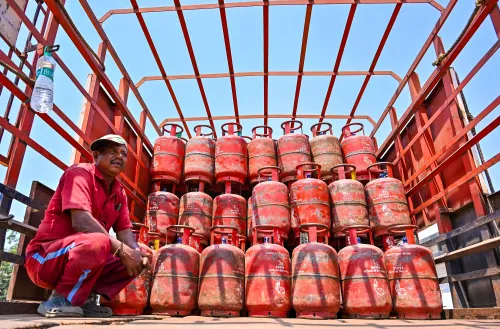
Gandhinagar, March 14 (NationPress) The Gujarat government has enhanced its oversight and collaboration with the Centre and energy firms to guarantee a seamless supply of domestic LPG and natural gas throughout the state, in light of global disruptions in the energy sector.
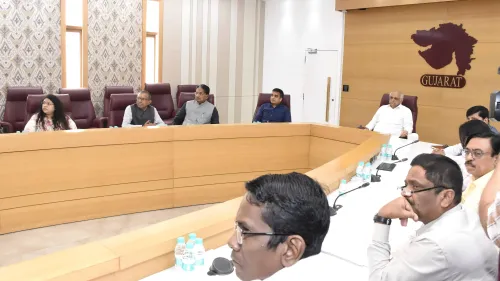
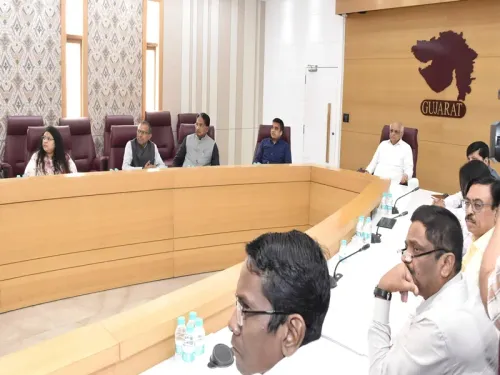
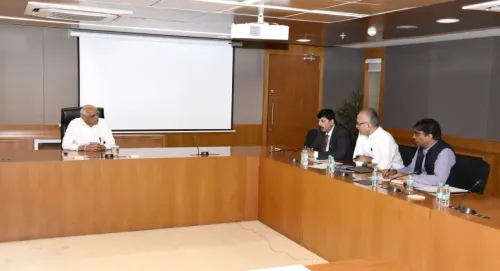
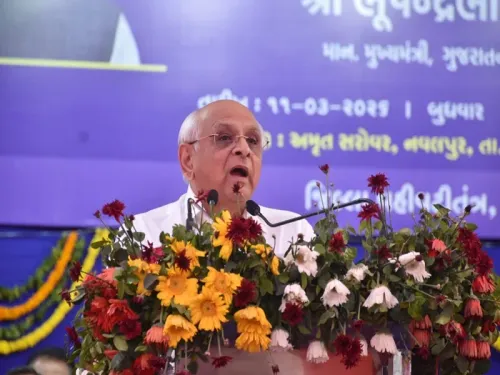
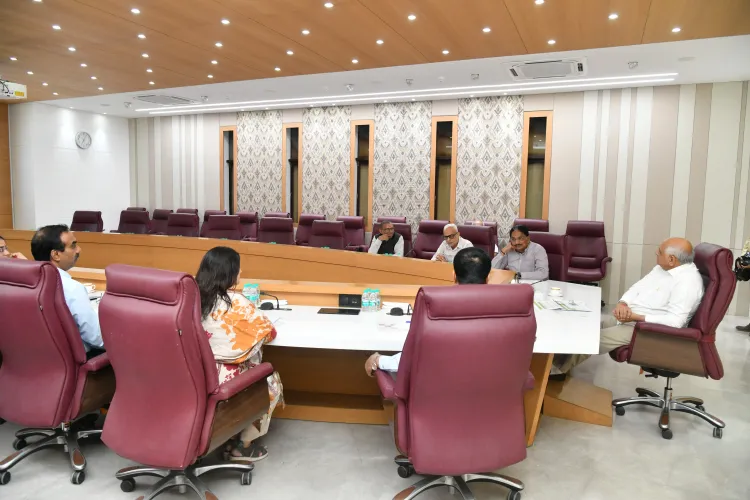
During a high-ranking review session led by Chief Minister Bhupendra Patel on Friday evening, officials evaluated the current gas supply landscape in Gujarat, the challenges stemming from international developments, and the forecast for supply in the near future.
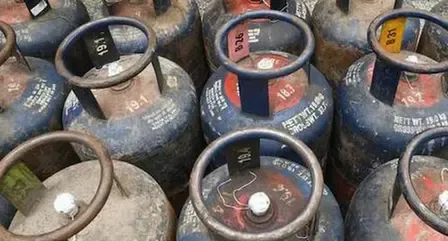
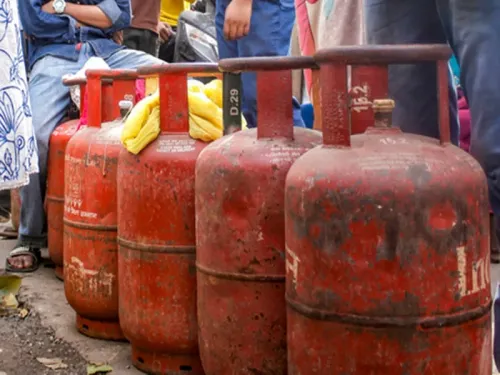
The meeting focused on strategies to ensure a steady supply of domestic liquefied petroleum gas (LPG) cylinders, alongside piped natural gas (PNG) for households and compressed natural gas (CNG) for vehicles.
The state government reported that coordinated efforts are in place among the Central government, the Gujarat administration, and oil and gas marketing entities to sustain continuous supply and prevent consumer inconvenience.
The Chief Minister instructed officials to guarantee that residents receive domestic LPG cylinders consistently without hassle.
He also highlighted the importance of maintaining an uninterrupted gas supply to priority sectors like domestic PNG and CNG for vehicles while ensuring dependable supply to industries and consumers, and implementing forward-thinking and long-term planning measures.
Officials noted that the Centre has implemented regulatory measures to protect LPG availability.
A Gazette notification released on March 5 mandated that butane and propane used for LPG be maximized for production and supplied exclusively to three public sector oil marketing companies — Indian Oil Corporation, Bharat Petroleum Corporation, and Hindustan Petroleum Corporation — under the Essential Commodities Act to ensure uninterrupted domestic LPG supply.
In another notice issued on March 9, the Centre identified domestic PNG and CNG for vehicles as Priority-1 sectors, ensuring a 100% supply of natural gas to these segments so that consumers do not experience disruption.
Authorities indicated that a minor reduction has been applied to the natural gas supply for the industrial sector given the current circumstances.
However, LNG shipments from regions unaffected by the conflict in the Middle East are projected to reach India in the upcoming days, which officials believe will further stabilize supply.
Gujarat serves as a crucial hub in India’s gas-based energy framework, boasting 1,073 CNG stations and over 3.7 million domestic PNG consumers.
The state’s Food, Civil Supplies and Consumer Affairs Department and the Energy and Petrochemicals Department are conducting regular assessments of supply with city gas distribution companies and oil marketing firms.
During these reviews, officials were also tasked with enhancing the clean energy network by expanding domestic and commercial PNG connections and accelerating pipeline infrastructure development in new regions to connect more consumers.
The government assures that sufficient gas supply arrangements have been made not only for households but also for hospitals, schools, hostels, community kitchens, welfare institutions like orphanages and old-age homes, as well as programs including the mid-day meal initiative and anganwadis.
The supply of PNG to restaurants and CNG for vehicles is also being upheld.
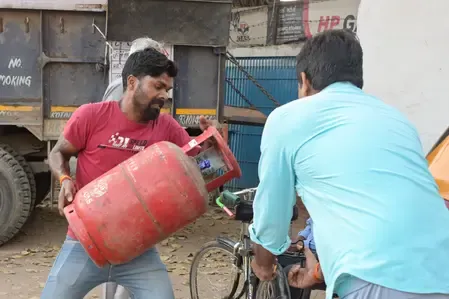
The state government has instructed district collectors and police superintendents to work closely with LPG distribution agencies to ensure smooth delivery.
Authorities have also been urged to take stringent action against hoarding or illegal practices under the Essential Commodities Act of 1955.
Officials indicated that the Centre has mandated a minimum interval of 25 days between two LPG cylinder bookings in urban areas and 45 days in rural regions by the same consumer.
The government has also encouraged citizens to avoid being misled by false information, asserting that the state is receiving additional LPG supply through production and distribution channels to meet current consumption needs.
Point of View
The ongoing efforts by the Gujarat government to secure uninterrupted LPG and natural gas supplies amidst international challenges highlight the importance of regional governance in energy management. The proactive approach taken by the Chief Minister and various departments showcases a commitment to consumer welfare and economic stability.
NationPress
24 Sept 2026
Frequently Asked Questions
What measures is the Gujarat government taking to ensure LPG supply?
The Gujarat government is enhancing monitoring and coordinating with the Centre and energy companies to maintain a seamless supply of domestic LPG and natural gas amidst global disruptions.
Who oversees the supply situation in Gujarat?
The Chief Minister of Gujarat, Bhupendra Patel, is leading high-level review meetings to assess and address the gas supply situation in the state.
What sectors are prioritized for gas supply?
Domestic PNG and CNG for vehicles are classified as Priority-1 sectors, ensuring 100% natural gas supply to these areas.
What has been done to prevent hoarding of LPG?
Authorities have been instructed to take strict action against hoarding and illegal activities under the Essential Commodities Act to ensure fair distribution.
Is there any restriction on LPG bookings?
Yes, the Centre has mandated a minimum gap of 25 days between LPG cylinder bookings in urban areas and 45 days in rural areas by the same consumer.