Gujarat Sakhi centres aided 53,851 women since 2017, shelter top service
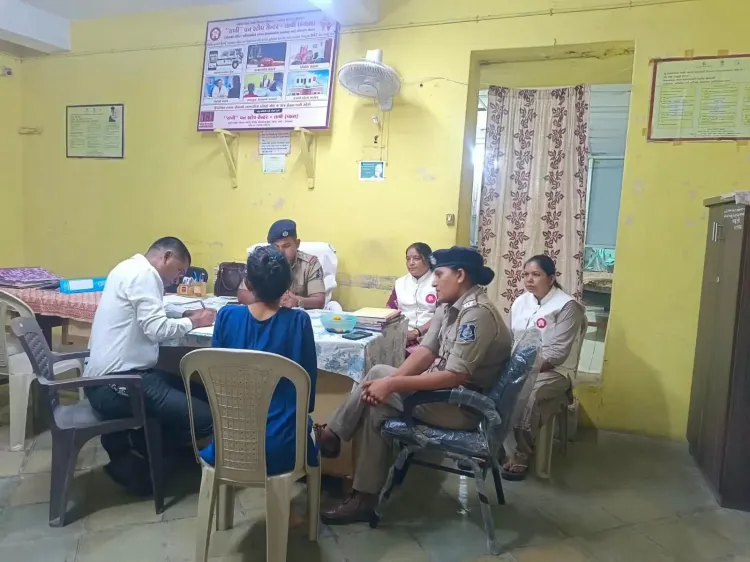
Synopsis
Gujarat's Sakhi One Stop Centres have collectively assisted over 53,851 women since 2017 — more than half of whom needed emergency shelter — across 36 centres in 34 districts. The data, covering nearly a decade, reveals the sustained and growing demand for integrated violence-support infrastructure, with shelter far outpacing legal, medical, and police assistance in recorded use.
Key Takeaways
53,851 women have been assisted by Sakhi One Stop Centres in Gujarat since 2017 , per data through September 2026 .
36 centres operate across 34 districts of the state, functioning round the clock.
29,351 women received shelter — the largest category of support, followed by medical aid ( 8,527 ), legal assistance ( 7,617 ), and police support ( 4,706 ).
The Sakhi One Stop Centre Scheme was launched in August 2016 by the Union Ministry of Women and Child Development .
In Gujarat, the scheme is implemented by the state's Women and Child Development Department .
More than 53,851 women in Gujarat have received assistance through the Sakhi One Stop Centres since 2017, with shelter emerging as the single largest service provided to survivors and those at risk of violence, according to government data released through September 2026. The figure spans 36 centres operating across 34 districts of the state.
Key Services and Numbers
Of the total women assisted, 29,351 received shelter — the highest among all service categories. 8,527 women were provided medical assistance, 7,617 received legal aid, and 4,706 were given police assistance. The centres also offer video-conferencing facilities, emergency response, and rescue services for women and adolescent girls facing violence at home, at the workplace, in their communities, or in public spaces.
How the Centres Operate
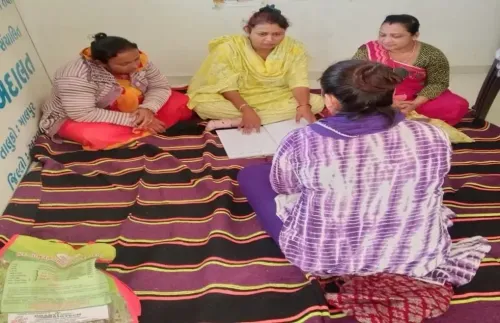
The Sakhi One Stop Centres function round the clock, enabling women in distress to seek help at any hour. Officials stated that the centres provide shelter, medical treatment, legal assistance, police support and counselling under one roof, eliminating the need for survivors to navigate multiple government offices for different services. The integrated model is designed to address immediate needs — temporary shelter and medical attention — while simultaneously facilitating legal recourse and police intervention.
Scheme Background
The Sakhi One Stop Centre Scheme was launched in August 2016 by the Union Ministry of Women and Child Development to provide consolidated support to women affected by violence at a single location. In Gujarat, the initiative is implemented by the state government's Women and Child Development Department. Gujarat's centres began recording assistance from 2017 onward, and the latest data captures cumulative figures up to this September.
Significance and Broader Context
The 53,851 figure represents a substantial caseload across nearly a decade of operation, underscoring persistent demand for dedicated support infrastructure for women facing violence. Notably, the dominance of shelter requests — accounting for more than half of all services — points to a recurring need for safe temporary accommodation as the first point of intervention. This comes amid wider national discourse on strengthening institutional responses to gender-based violence. With 36 centres covering 34 districts, questions remain about whether the network's geographic spread is adequate for a state of Gujarat's size and population. How the scheme expands its reach and capacity in coming years will be closely watched.
Point of View
851-women figure is significant, but the more telling statistic is that shelter — not legal aid or counselling — dominates the caseload, suggesting that safe accommodation remains the most acute unmet need for women fleeing violence in Gujarat. A scheme covering 34 out of Gujarat's 33 administrative districts offers reasonable geographic breadth on paper, yet the disparity between shelter demand and legal or police assistance uptake may reflect barriers in accessing those services rather than lower need. Nearly a decade in, the absence of outcome data — recidivism, long-term safety, economic rehabilitation — makes it difficult to assess whether the one-stop model is delivering durable change or primarily managing crisis. A deeper public audit of the scheme's impact would strengthen accountability and guide resource allocation.
NationPress
17 Oct 2026
Frequently Asked Questions
What are Sakhi One Stop Centres in Gujarat?
Sakhi One Stop Centres are government-run facilities that provide integrated support — shelter, medical treatment, legal assistance, police support, and counselling — to women and adolescent girls affected by violence, all under one roof. The scheme was launched nationally in August 2016 by the Union Ministry of Women and Child Development; Gujarat began operations in 2017.
How many women have the Gujarat Sakhi centres helped so far?
A total of 53,851 women have been assisted by the 36 Sakhi Centres operating across 34 districts in Gujarat, according to government data up to September 2026. The data covers assistance provided since 2017.
What type of support do most women seek at Sakhi centres?
Shelter is the most sought-after service, with 29,351 women — more than half the total — having received temporary accommodation. This is followed by medical assistance (8,527), legal aid (7,617), and police support (4,706).
Who can access the Sakhi One Stop Centres?
The centres are open to women and adolescent girls facing violence at home, at the workplace, in their communities, or in public places. They operate round the clock, allowing anyone in distress to seek help at any time.
Which department runs the Sakhi Centres in Gujarat?
In Gujarat, the Sakhi One Stop Centre Scheme is implemented by the state government's Women and Child Development Department. At the national level, the scheme falls under the Union Ministry of Women and Child Development.