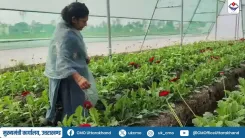
Gujarat Agriculture Department warns farmers: buy seeds and fertilisers only from licensed dealers
Synopsis
With Gujarat's winter sowing season under way, the state's Agriculture Department has put farmers on alert against counterfeit and expired inputs — warning them to buy only from licensed dealers, insist on signed bills, and report suspicious sellers to district agriculture officers immediately.
Key Takeaways
The Gujarat Agriculture Department issued an advisory on 17 November 2026 ahead of the winter sowing season.
Farmers must purchase seeds, fertilisers, and pesticides only from licensed cooperative societies, government institutions, or registered private dealers .
A signed bill carrying the dealer's licence number, name, address, and product lot number is mandatory at the time of purchase.
Farmers are warned against buying inputs beyond their expiry dates or from hawkers and unregistered sellers.
Fake products sold under names similar to authorised brands must be reported to the district agriculture officer or Deputy Director of Agriculture .
Scientific and prescribed-quantity application of inputs is recommended to avoid excessive use and soil degradation.
The Gujarat Agriculture Department on 17 November 2026 issued a formal advisory urging farmers across the state to purchase seeds, fertilisers, and pesticides exclusively from authorised dealers ahead of the winter sowing season. The advisory, issued by the Directorate of Agriculture in Gandhinagar, is aimed at curbing the sale of counterfeit and substandard agricultural inputs that can cause significant crop losses and financial harm to farmers.
Key Directions in the Advisory
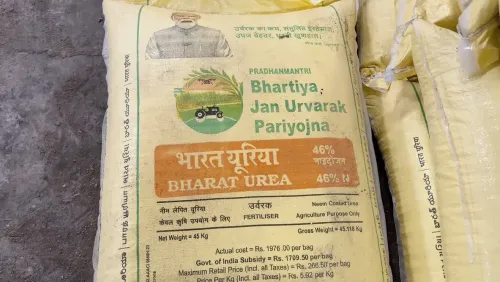
According to the advisory, farmers must procure agricultural inputs only from cooperative societies, government institutions, and registered private dealers holding valid licences or permits. The department has explicitly warned against purchasing from individuals, hawkers, or unregistered firms that do not hold the necessary authorisations.
A signed purchase bill is mandatory at the time of every transaction. The bill must carry the dealer's licence number, full name, address, and complete product details including the name and lot number of the agricultural input purchased. These documents serve as crucial evidence in the event of a complaint or dispute, the department noted.
Expired and Counterfeit Products in the Crosshairs
Farmers have been specifically cautioned against buying or using inputs that are beyond their expiry dates. The advisory also flags the sale of fake products marketed under names identical or similar to those of well-known authorised brands — a practice the department describes as a persistent problem in rural supply chains. Any such instance must be reported immediately to the concerned agriculture officer or the Deputy Director of Agriculture in the respective district.
This comes amid recurring reports from several Indian states of spurious seeds and fertilisers entering local markets during peak sowing periods, causing crop failures and disputes that often go unresolved for lack of documentation.
Scientific Use of Inputs Urged
Beyond sourcing, the department has advised farmers to apply seeds, fertilisers, and pesticides strictly in accordance with scientific recommendations and prescribed quantities. Excessive or unnecessary use of inputs — a common practice that inflates costs while degrading soil health — should be replaced with evidence-based agricultural practices, the advisory states.
How to Report Violations
Farmers who encounter the sale of invalid, fake, or unauthorised agricultural products are encouraged to report them promptly to district-level agriculture officers. The Directorate has stressed that early reporting is essential to removing fraudulent sellers from the supply chain before they can cause wider harm during the cropping season.
With the winter crop season now under way across Gujarat, the advisory represents an attempt to safeguard both farmer income and crop productivity at a time when purchasing decisions have immediate on-ground consequences.
Point of View
Often because legitimate supply chains are thin or inconvenient in remote areas. Mandatory billing requirements are only as effective as the enforcement behind them — and Gujarat's district-level agriculture machinery has historically been stretched thin during peak sowing periods. Without a parallel crackdown on unlicensed sellers and a simple digital complaint mechanism, the burden of vigilance falls entirely on farmers who are already managing multiple pressures at the start of a cropping season.
NationPress
17 Nov 2026
Frequently Asked Questions
What does the Gujarat Agriculture Department advisory say?
The advisory, issued by the Directorate of Agriculture on 17 November 2026, instructs Gujarat farmers to buy seeds, fertilisers, and pesticides only from licensed dealers — cooperative societies, government institutions, or registered private dealers — and to obtain a signed bill with full product and seller details at the time of purchase.
Why has the advisory been issued now?
The advisory has been issued ahead of Gujarat's winter sowing season, when demand for agricultural inputs peaks and the risk of counterfeit or substandard products entering local markets is highest. Fake inputs can cause crop failures and financial losses that are difficult to recover without proper purchase documentation.
What details must a purchase bill include?
The bill must carry the dealer's licence number, full name, and address, along with the name and lot number of the agricultural input purchased and the dealer's signature. These details allow farmers to trace the source of a product and file complaints if it turns out to be fake or defective.
What should farmers do if they spot counterfeit agricultural products?
Farmers who come across seeds, fertilisers, or pesticides that appear fake or are sold under names similar to authorised brands should immediately report the matter to the concerned agriculture officer or the Deputy Director of Agriculture in their district.
Are there any guidelines on how much fertiliser or pesticide farmers should use?
Yes. The advisory recommends that farmers follow scientific guidelines and apply inputs only in prescribed quantities. Excessive or unnecessary use is discouraged, as it increases costs and can harm soil health over time.