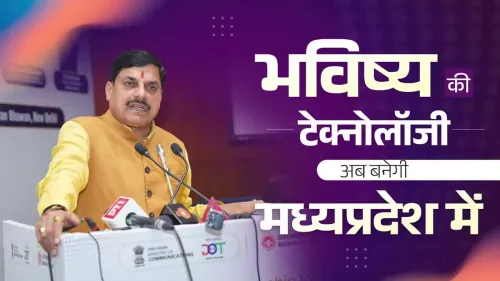
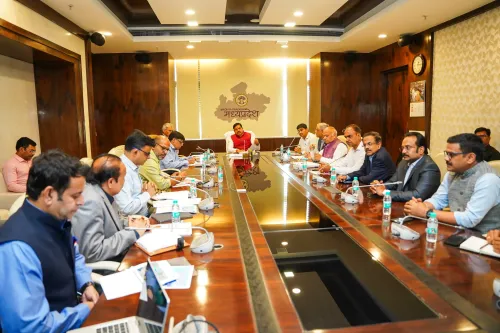
Gwalior Telecom Zone gets ₹493 crore Centre funding; investor LoIs on Nov 19

Synopsis
India is setting up Asia's first integrated Telecom Manufacturing Zone in Gwalior with ₹493 crore in full central funding — a direct attempt to cut import dependence on telecom gear and build a domestic 5G and 6G supply chain. With investor LoIs going out on 19 November, the project shifts from announcement to action.
Key Takeaways
The Centre has sanctioned ₹493 crore — covering 100 per cent of Phase-I costs — for Asia's first integrated Telecom Manufacturing Zone in Gwalior, Madhya Pradesh .
Investor Letters of Intent (LoIs) for land allotment will be distributed in Bhopal on 19 November .
The zone will cover mobile devices, optical fibre, telecom equipment, 5G and 6G technologies.
Madhya Pradesh has provided approximately 170 acres of land free of cost alongside investor incentives.
An SPV has been formed with the state holding 51% equity and the Department of Telecommunications holding 49% .
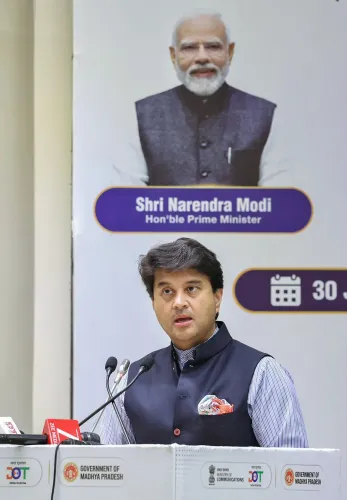
The event will be attended by Chief Minister Mohan Yadav and Union Communications Minister Jyotiraditya Scindia .
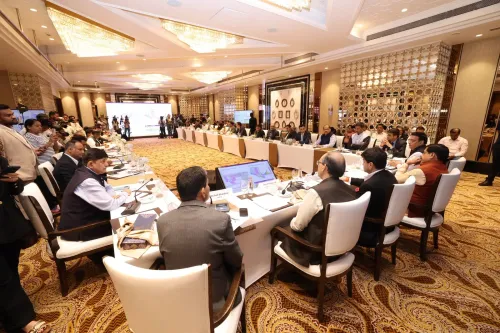
Asia's first integrated Telecom Manufacturing Zone, proposed in Gwalior, Madhya Pradesh, received a significant push on 18 November 2026 as the Centre sanctioned ₹493 crore in full funding for Phase-I of the project. Letters of Intent (LoIs) for land allotment to prospective investors are set to be distributed in Bhopal on Thursday, 19 November, in the presence of Chief Minister Mohan Yadav and Union Communications Minister Jyotiraditya Scindia.
What the Zone Will Manufacture
The proposed cluster is designed to position Gwalior as a full-stack manufacturing hub for mobile devices, optical fibre, telecom equipment, and next-generation technologies including 5G and 6G. Beyond manufacturing, the zone will also host facilities for research and development, innovation, and technology partnerships — making it more than a production site.
The initiative is explicitly aligned with the Centre's Aatmanirbhar Bharat vision, with the stated aim of reducing India's dependence on imported telecom gear and positioning the country as a trusted global destination for telecom products and technologies.
Funding Structure and Land Arrangements
The Centre is providing 100 per cent funding of ₹493 crore for Phase-I. The Madhya Pradesh government has contributed approximately 170 acres of land free of cost, along with additional incentives for incoming investors. A Special Purpose Vehicle (SPV) has been constituted to execute the project, with the state government holding a 51 per cent equity stake and the Department of Telecommunications (DoT) holding the remaining 49 per cent.
What Happens on 19 November
The Bhopal event on Thursday will feature a presentation by the Madhya Pradesh government outlining the project's roadmap, followed by an address laying out the Centre's vision for domestic telecom manufacturing. Industry representatives will also share perspectives on investment opportunities and participation in the zone. The formal LoI distribution will be followed by addresses from Union Minister Scindia and Chief Minister Mohan Yadav.
Broader Impact and Strategic Context
India currently imports the bulk of its telecom equipment, leaving domestic networks exposed to supply-chain disruptions and geopolitical risk — a vulnerability that policymakers have flagged repeatedly since the rollout of 5G networks began. The Gwalior zone is intended to directly address this gap by building a domestic supply chain for components and finished equipment alike.
The project is expected to attract private investment, strengthen Madhya Pradesh's industrial base, and generate skilled employment. If the zone achieves its targets, it could contribute meaningfully to India's broader export ambitions in the global telecom equipment market — a segment currently dominated by a handful of Chinese, Finnish, and Swedish manufacturers.
With LoIs going out on Thursday and a clear SPV structure already in place, the project moves from planning to execution, and the pace of investor sign-ups will be the first real test of market confidence in the initiative.
Point of View
And the SPV structure with shared state-Centre equity is a more accountable model than a straight grant. The real variable is investor uptake: LoIs on Thursday will reveal how much private capital is actually prepared to commit, as opposed to expressing intent. India's telecom import bill remains substantial, and without a credible anchor tenant — ideally a global OEM or a large domestic player — the zone risks becoming well-funded infrastructure in search of a strategy.
NationPress
18 Nov 2026
Frequently Asked Questions
What is the Gwalior Telecom Manufacturing Zone?
It is Asia's proposed first integrated Telecom Manufacturing Zone, to be developed in Gwalior, Madhya Pradesh, covering mobile devices, optical fibre, telecom equipment, and 5G and 6G technologies. The Centre has sanctioned ₹493 crore for Phase-I, with the Madhya Pradesh government providing around 170 acres of land free of cost.
How much has the Centre allocated for the Gwalior Telecom Zone?
The Centre has sanctioned ₹493 crore, covering 100 per cent of the Phase-I project cost. The Madhya Pradesh government is contributing land and additional investor incentives rather than direct funding.
What are Letters of Intent (LoIs) and why are they significant here?
LoIs for land allotment signal a formal commitment from the government to allocate specific plots to prospective investors within the zone. Their distribution on 19 November marks the transition from planning to active investor on-boarding, making it the first concrete measure of private-sector interest in the project.
Who will oversee the development of the Telecom Manufacturing Zone?
A Special Purpose Vehicle (SPV) has been set up to execute the project. The Madhya Pradesh government holds a 51 per cent equity stake in the SPV, while the Department of Telecommunications holds the remaining 49 per cent.
How does this project align with India's broader manufacturing goals?
The zone is aligned with the Centre's Aatmanirbhar Bharat vision, targeting reduced import dependence on telecom equipment and positioning India as a trusted global supplier of telecom products and technologies. It is part of a broader push to build domestic supply chains for 5G and next-generation network components.