DCTI first meeting calls for integrated textile value chain to drive exports and jobs
Synopsis
India's apex textile consultative body, the DCTI, held its inaugural meeting on 6 October 2026 — and the agenda was sweeping: integrated value chains, faster R&D commercialisation, MSME support, and export diversification. With working groups now to be formed and regular reviews planned, this marks the government's most structured industry-government dialogue on textiles in years.
Key Takeaways
The Development Council for Textile Industry (DCTI) held its first meeting in New Delhi on 6 October 2026 .
Textiles Secretary Neelam Shami Rao chaired the meeting, emphasising textiles' role as a leading employer and export earner.
Key focus areas included capacity addition , modernisation , cost competitiveness , and technical textiles innovation.
The Council agreed to form working groups on priority themes and hold regular review meetings .
Support for MSMEs , workforce skilling, sustainable practices, and stable input availability were also prioritised.
Recommendations will directly inform the Ministry of Textiles' policy and programme interventions.
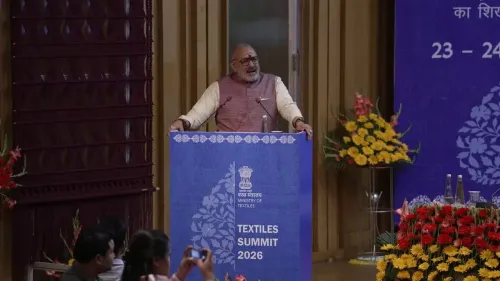
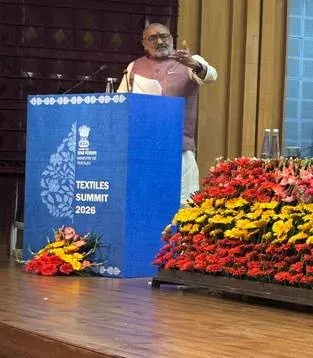
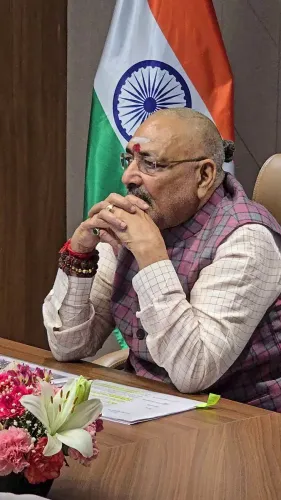
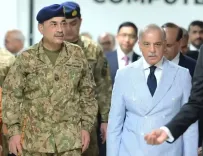
The Development Council for Textile Industry (DCTI) convened its first-ever meeting in New Delhi on Tuesday, 6 October 2026, calling for a coordinated, whole-of-value-chain approach to boost production, innovation, and global market access across India's textile sector. The high-level gathering brought together government, industry, and research stakeholders to chart a course for one of the country's largest employment-generating and export-earning sectors.
Key Priorities Set at the Inaugural Meeting
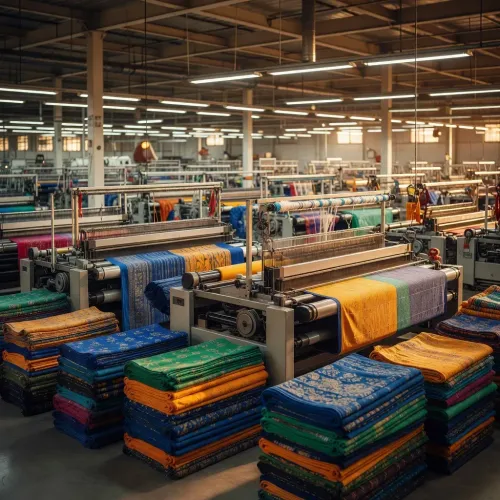
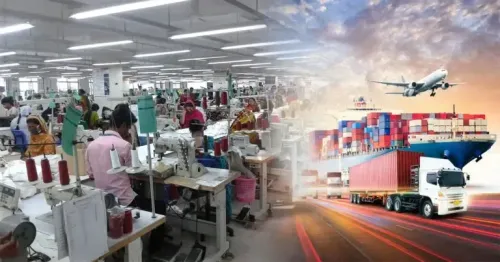
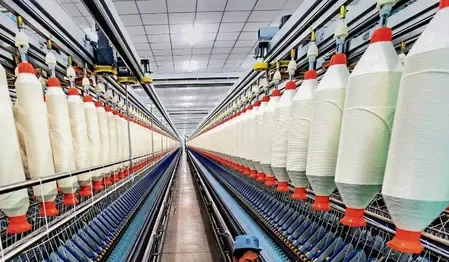
Textiles Secretary Neelam Shami Rao, who chaired the meeting, stressed that the textiles and apparel sector remains a cornerstone of India's economy — both as a major employer and a significant contributor to export earnings. Deliberations centred on capacity addition, modernisation, scale, and cost competitiveness across every segment of the supply chain, from fibre and yarn through fabric, processing, and finished apparel.
The meeting specifically flagged the need to address structural gaps along the value chain — a persistent challenge that has limited India's ability to compete with textile powerhouses such as China, Bangladesh, and Vietnam in global markets.
Innovation, R&D and Technical Textiles in Focus
Strengthening industry-research linkages emerged as another priority theme. The Council discussed fostering innovation in new-age fibres and technical textiles, and facilitating faster commercialisation of research through dedicated associations and institutions. The intent is to close the gap between laboratory breakthroughs and shop-floor adoption — a bottleneck that has long slowed India's move up the textile value chain.
Notably, technical textiles — encompassing products used in healthcare, agriculture, defence, and infrastructure — represent a high-growth segment that India has only begun to capture systematically in recent years.
Export Diversification and MSME Support
The Council also took up the diversification of products and export markets, leveraging existing trade agreements, and addressing quality, compliance, and logistics-related constraints faced by exporters. Stable and competitive availability of inputs — including cotton, man-made fibres, yarn, dyes, and chemicals — was flagged as essential, supported by effective market intelligence.
Dedicated attention was given to MSMEs, which form the backbone of the textile ecosystem. Workforce skilling and the adoption of sustainable and circular practices were additional areas discussed, reflecting growing international buyer demand for responsible sourcing.
Working Groups to Be Formed; Regular Reviews Planned
Members welcomed the institutionalised industry-government interface the Council provides and shared sector-specific suggestions across all themes. The Council agreed to constitute working groups on priority themes and to meet at regular intervals to review progress.
Its recommendations are intended to directly inform the Ministry of Textiles' policy and programme interventions, with the stated objectives of higher domestic production, improved productivity, and a more integrated, scale-oriented value chain. The meeting was attended by senior Ministry officials, representatives of industry associations, export promotion councils, research bodies, state governments, and sector experts.
With the DCTI now operational as the apex consultative platform for the sector, the government's next move will be closely watched by an industry seeking policy certainty ahead of a competitive global trade environment.
Point of View
Not for lack of vision documents but for lack of execution. The decision to form working groups is encouraging, but the proof will be in their terms of reference and timelines. Technical textiles, in particular, is a segment where India has repeatedly announced ambitions without building the downstream industrial ecosystem to match.
NationPress
6 Oct 2026
Frequently Asked Questions
What is the Development Council for Textile Industry (DCTI)?
The DCTI is the apex consultative platform constituted by the Indian government to advise on the orderly growth and development of the textile industry. It brings together government officials, industry associations, export promotion councils, research bodies, and state governments.
What were the main outcomes of the DCTI's first meeting on 6 October 2026?
The Council agreed to form working groups on priority themes and to meet at regular intervals to track progress. It endorsed goals including faster R&D commercialisation, export diversification, MSME strengthening, and the adoption of sustainable and circular practices.
Why is an integrated textile value chain important for India?
An integrated value chain — spanning fibre, yarn, fabric, processing, and apparel — reduces import dependence, improves cost competitiveness, and enables India to capture more value from its large textile base. Structural gaps in this chain have historically constrained India's ability to compete with rivals like Bangladesh and Vietnam.
What role will the DCTI's recommendations play in government policy?
The Council's recommendations are designed to directly inform the Ministry of Textiles' policy and programme interventions, with targets including higher domestic production, improved productivity, and a more integrated, scale-oriented value chain.
What support is being planned for textile MSMEs?
The meeting discussed strengthening support for MSMEs through improved ease of doing business, workforce skilling, stable and competitive availability of key inputs such as cotton, yarn, dyes and chemicals, and the adoption of sustainable and circular production practices.