India’s Free Trade Agreements Now Encompass 38 Countries
Synopsis
India has broadened its free trade agreements to include 38 countries, enhancing market access for farmers, entrepreneurs, and professionals. This strategic expansion aims to support the nation’s economic growth while promoting local industries.
Key Takeaways
India now has nine FTAs covering 38 countries.
Focus on transparency and balance in negotiations.
Key agreements include partnerships with the UK, UAE, and Australia.
Supports farmers and local industries, enhancing competitiveness.
Promotes opportunities for young professionals and entrepreneurs.
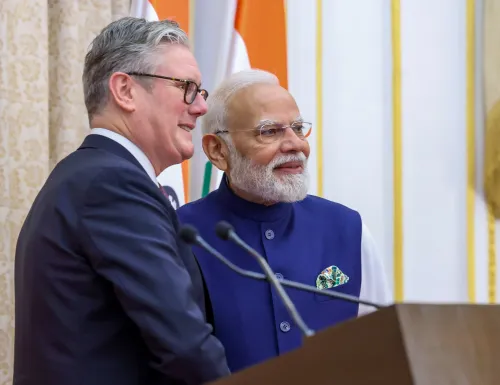
New Delhi, March 6 (NationPress) Over recent years, India has significantly enhanced its array of free trade agreements, now reaching a total of nine FTAs encompassing 38 nations, as revealed in an official statement on Friday.
These agreements have been crafted with a focus on transparency, equilibrium, and the overarching goal of an Atmanirbhar Bharat, according to the Ministry of Commerce and Industry.
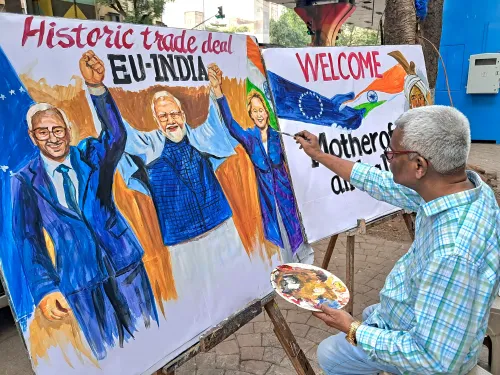
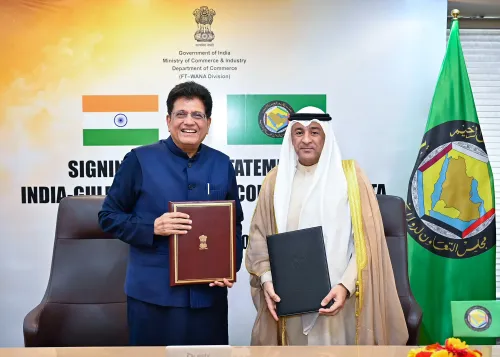
Initiating with the India-Mauritius agreement in 2021, the India-UAE Comprehensive Economic Partnership Agreement followed suit in May 2022. The India-Australia Economic and Trade Agreement was launched in December 2022. Subsequently, the EFTA TEPA was signed on March 10, 2024, and took effect on October 1, 2025. The India-UK CETA was finalized in July 2025, while the India-Oman CEPA was completed in December 2025. The announcement of the India-New Zealand FTA came on December 22, 2025, followed by the India-EU FTA on January 27, 2026.
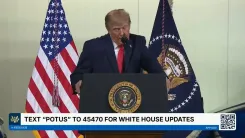
"In collaboration with the United States, we have established a framework for an interim agreement as of February 7, 2026, thereby solidifying our global trade presence," the statement noted.
These agreements are designed to support farmers whose products now have access to markets in the developed world. They are beneficial for entrepreneurs, particularly women-led MSMEs, exporting garments, leather, and handicrafts, enhancing their competitiveness. They also cater to the aspirations of young Indians, including students, IT professionals, chefs, and yoga instructors, providing them with opportunities and clear pathways for mobility, education, and future development supported by post-study work visas, mobility options, and social security relief. Furthermore, these agreements promote organic products and traditional wellness systems under AYUSH and boost Digital Services that power global AI initiatives. They are pivotal for attracting investments and strengthening partnerships with our FTA stakeholders," the statement elaborated.
The interests of vital sectors including dairy, agriculture, farmers, and domestic industries have been preserved, ensuring market access remains intact. India has negotiated from a position of strength, heralding a new era in trade. Each agreement has been distinctive, reflecting the vastness of the country's market and its economic potential, the statement concluded.
Point of View
This expansion of free trade agreements symbolizes India's commitment to fostering economic growth and enhancing international trade relations. The strategic focus on diverse sectors aims to uplift local industries and empower citizens.
NationPress
2 Oct 2026
Frequently Asked Questions
What are the recent free trade agreements signed by India?
India has signed several FTAs in recent years, including agreements with Mauritius, UAE, Australia, the UK, Oman, New Zealand, and the EU.
How do these agreements benefit Indian farmers?
These agreements provide Indian farmers with access to developed markets, enhancing their opportunities for exports.
What is Atmanirbhar Bharat?
Atmanirbhar Bharat is India's initiative aimed at making the country self-reliant, focusing on domestic production and reducing dependency on imports.
Who benefits from India's free trade agreements?
The agreements benefit farmers, entrepreneurs, women-led MSMEs, and young professionals across various sectors.
What is the significance of these trade agreements?
These trade agreements are crucial for boosting investments, enhancing competitiveness, and ensuring market access for Indian products.