PM Modi in The Hague: India-Netherlands ties elevated to Strategic Partnership
Synopsis
PM Modi's visit to The Hague produced more than diplomatic optics — it delivered a formal Strategic Partnership upgrade and a concrete policy win for the Surinamese-Hindustani diaspora, whose OCI eligibility now stretches to the sixth generation. With a five-year roadmap locked in and the India-EU FTA on the horizon, the India-Netherlands relationship is shifting from cordial to consequential.
Key Takeaways
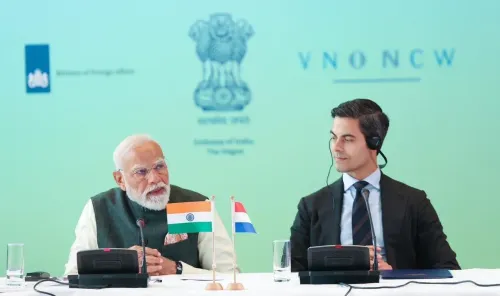
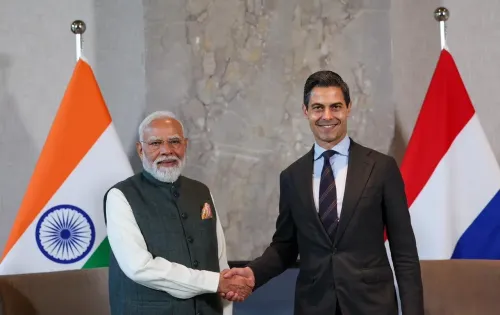
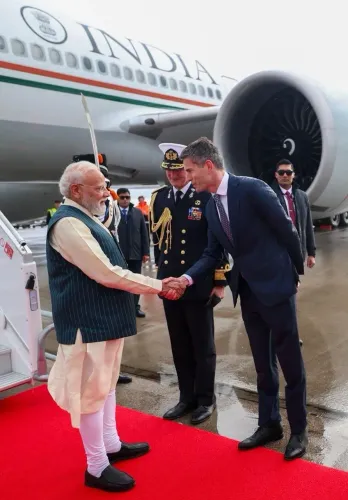
PM Modi and Dutch PM Rob Jetten elevated India-Netherlands ties to a Strategic Partnership on 17 May in The Hague .
Both nations adopted a five-year Strategic Partnership Roadmap (2026–2030) .
OCI card eligibility for the Surinamese-Hindustani community extended from the 4th generation to the 6th generation .
The Netherlands hosts approximately 2,00,000 Surinamese-Hindustani community members — the largest Indian-origin population in mainland Europe.
The Netherlands is among India's largest export destinations in Europe and a top investment partner.
The proposed India-EU Free Trade Agreement is expected to further deepen bilateral economic ties.
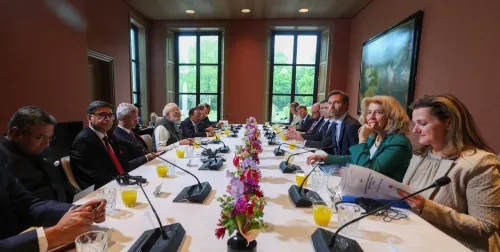
Prime Minister Narendra Modi and Dutch Prime Minister Rob Jetten on Saturday, 17 May agreed to elevate the India-Netherlands bilateral relationship to a Strategic Partnership, adopting a five-year Roadmap (2026–2030) built around focused, time-bound initiatives and joint plans of action. The agreement was formalised during their meeting at The Hague, underscoring the growing depth of ties between the two nations.
OCI Eligibility Extended for Surinamese-Hindustani Community
A headline outcome of the bilateral talks was the liberalisation of Overseas Citizenship of India (OCI) card eligibility for the Surinamese-Hindustani diaspora, extended from the fourth generation to the sixth generation. The Netherlands is home to the largest concentration of people of Indian origin in mainland Europe, including approximately 2,00,000 members of the Surinamese-Hindustani community.
Posting on social media platform X, Prime Minister Modi said: 'The Indian diaspora is a living bridge of the India-Netherlands partnership. Our decision to extend OCI Card eligibility for the Surinamese Hindustani community from the fourth generation to the sixth generation has been enthusiastically received by the diaspora in the Netherlands!'
Modi Addresses Indian Community in The Hague
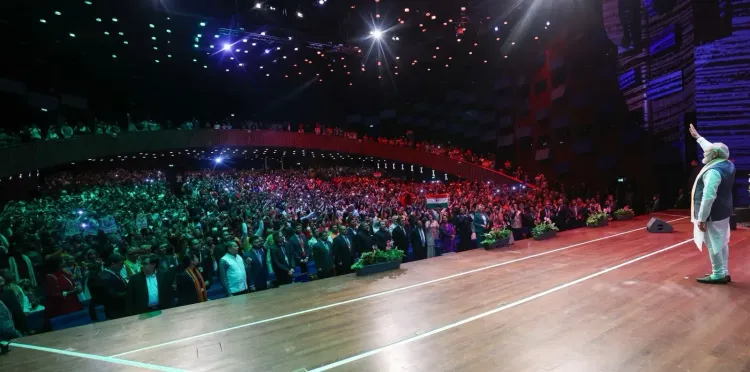
Before his bilateral with Jetten, Prime Minister Modi attended an Indian community reception in The Hague on Saturday morning, where he was accorded a warm welcome by a large gathering of the Indian diaspora and friends of India in the Netherlands. Addressing those present, he praised the community for its contributions to Dutch society and for serving as a living bridge of friendship between the two countries.
He also recalled the deep historical ties of the Surinamese-Hindustani community with India, commending their sustained efforts to preserve and celebrate their cultural heritage across generations. Notably, this community's roots trace back to indentured labourers taken from India to Suriname under Dutch colonial rule — making their continued connection to India a historically layered one.
Technology, Trade, and the India-EU FTA
Prime Minister Modi highlighted that Indian professionals in the technology sector and the growing number of Indian students in Dutch universities — particularly in innovation-driven fields — were reinforcing the contemporary partnership. He underscored the robust trade relationship, noting that the Netherlands ranks among India's largest export destinations in Europe and is one of its foremost investment partners.
He added that the proposed India-EU Free Trade Agreement would further unlock opportunities for both sides. Sports linkages — particularly Cricket and Hockey — were also cited as contributors to the vibrancy of people-to-people ties.
Viksit Bharat and the Diaspora's Role
Prime Minister Modi highlighted India's ongoing transformation across infrastructure, manufacturing, clean energy, and digital systems, framing it within the country's goal of becoming a developed nation — Viksit Bharat by 2047. He called upon the Indian community in the Netherlands to actively contribute to this journey by leveraging their experience and expertise abroad. He assured them that the Indian government remained firmly committed to the welfare of every Indian living overseas.
With the five-year Strategic Partnership Roadmap now in place, both nations are expected to pursue structured engagement across technology, innovation, trade, and people-to-people connectivity through 2030.
Point of View
Directly benefiting a diaspora community with a uniquely layered historical connection to India. The five-year roadmap is a structural positive, but India has signed several such bilateral frameworks whose implementation has lagged ambition. The real test will be whether the technology and innovation agenda translates into measurable investment flows, particularly as the India-EU FTA negotiations remain unresolved. The diaspora outreach, meanwhile, signals that the government views overseas Indian communities not just as cultural ambassadors but as active economic levers — a framing that is becoming a consistent thread across Modi's foreign visits.
NationPress
21 Sept 2026
Frequently Asked Questions
What is the India-Netherlands Strategic Partnership announced in May 2025?
It is an elevated bilateral framework agreed upon by Prime Minister Narendra Modi and Dutch Prime Minister Rob Jetten on 17 May in The Hague, anchored by a five-year Roadmap (2026–2030) covering technology, innovation, trade, and people-to-people ties. It upgrades the existing relationship to a formal Strategic Partnership with focused, time-bound plans of action.
What change was made to OCI card eligibility for the Surinamese-Hindustani community?
The Indian government extended OCI card eligibility for the Surinamese-Hindustani diaspora from the fourth generation to the sixth generation. This benefits a community of approximately 2,00,000 people living in the Netherlands, who have historical roots tracing back to India.
Why is the Netherlands significant for the Indian diaspora?
The Netherlands is home to the largest number of people of Indian origin in mainland Europe, including around 2,00,000 members of the Surinamese-Hindustani community. Indian professionals in the technology sector and Indian students in Dutch universities also form a growing part of this presence.
How does the India-EU Free Trade Agreement factor into the India-Netherlands relationship?
Prime Minister Modi noted that the proposed India-EU Free Trade Agreement would further unlock economic opportunities for both India and the Netherlands. The Netherlands is already among India's largest export destinations in Europe and a top investment partner.
What is Viksit Bharat and how did Modi connect it to the diaspora?
Viksit Bharat is India's goal of becoming a developed nation by 2047. PM Modi called upon the Indian community in the Netherlands to actively contribute to this vision by leveraging their professional experience and expertise gained abroad.