India-New Zealand FTA in force: 100% duty-free access, dairy protected
Synopsis
India's FTA with New Zealand took effect on Vijayadashami, unlocking 100% duty-free access for every Indian export — a first in any of India's trade deals. With $20 billion in targeted investment, dairy ring-fenced, and even a Made-in-Pune JCB shipped out as a symbolic first, this is India's most comprehensive Pacific trade pact to date.
Key Takeaways
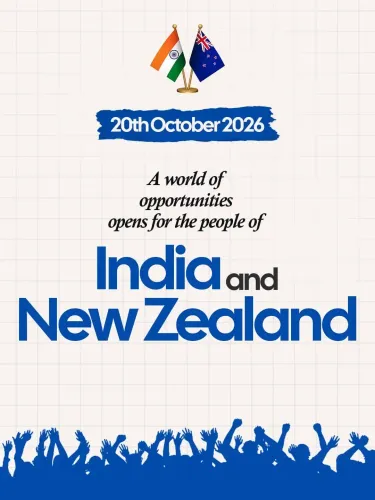
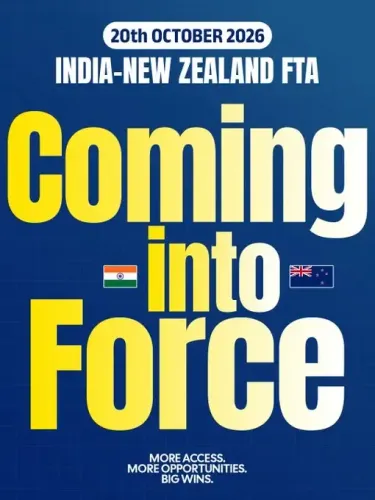
The India-New Zealand FTA came into force on 20 October 2026 , coinciding with Vijayadashami .
100% duty-free access granted for all Indian exports to New Zealand — covering MSMEs, farmers, and labour-intensive sectors.
Sensitive sectors, including dairy , remain fully protected under the agreement.
The pact targets up to $20 billion in New Zealand investment into India across agriculture, manufacturing, infrastructure and startups.
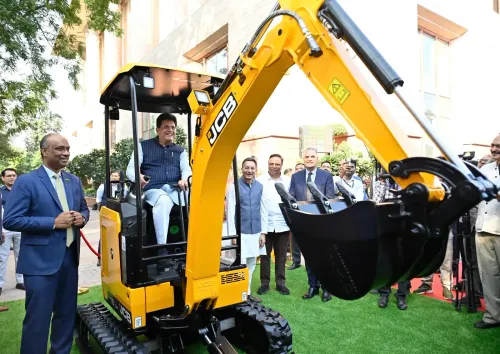
The first-ever JCB machine export to New Zealand , manufactured in Pune, Maharashtra , was flagged off to mark the occasion.
Indian pharma and medical device exporters to benefit from faster approvals as New Zealand accepts globally recognised regulator inspections.
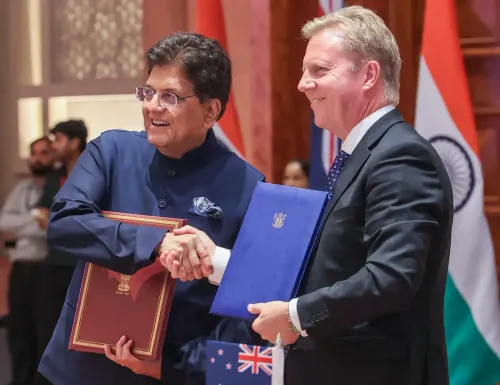
India's Free Trade Agreement (FTA) with New Zealand came into force on Tuesday, 20 October 2026, delivering 100% duty-free access for Indian exports to New Zealand and opening new pathways for MSMEs, farmers, professionals, and labour-intensive sectors — while keeping sensitive segments like dairy fully shielded from liberalisation. The pact, coinciding with Vijayadashami, marks a significant expansion of India's trade footprint in the Pacific.
What the FTA Delivers for India
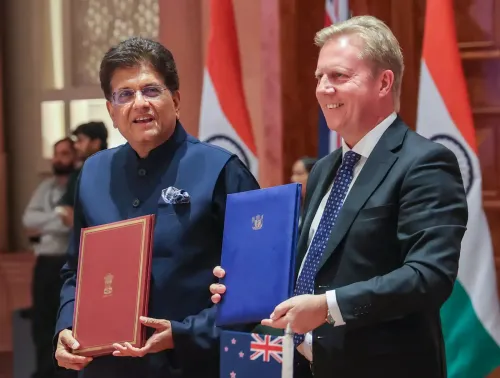
Commerce Minister Piyush Goyal described the agreement as a milestone for Indian industry and agriculture alike. Farmers stand to gain wider market access for fruits, vegetables, spices and other agricultural produce, along with provisions for productivity cooperation and income support, according to the minister.
For the services sector, the pact opens access to the New Zealand market in IT, professional services, construction, tourism and audio-visual services. Indian pharmaceutical and medical device exporters are also expected to benefit from accelerated market access, as New Zealand has agreed to accept inspection approvals from globally recognised regulators, cutting compliance timelines significantly.
Manufacturing Milestone: First JCB Export to New Zealand
In a symbolic marker of the FTA's manufacturing implications, Minister Goyal flagged off the first-ever JCB machine export to New Zealand — manufactured in Pune, Maharashtra. 'New Zealand will now build with a Made in India JCB machine,' Goyal noted, underlining the agreement's potential to expand India's export footprint in premium markets beyond traditional sectors.
Sensitive Sectors Protected, Dairy Ring-Fenced
A key feature of the pact is its calibrated approach to sensitive sectors. Dairy — a politically and economically significant segment in both countries — remains fully protected under the agreement, ensuring India's farming communities are not exposed to import competition in a sector where livelihoods are closely tied to domestic policy.
Commerce Secretary Rajesh Agrawal emphasised that FTAs are not merely about reducing tariffs. 'FTAs are about creating deep economic partnership,' he said, adding that the India-NZ pact will also facilitate faster regulatory approvals and improve the ease of doing business between the two countries.
Investment and Trade Targets
The agreement is expected to catalyse up to $20 billion in investments from New Zealand into India across sectors including agriculture, manufacturing, infrastructure and startups, according to the Commerce Ministry. The government has set an ambition of doubling bilateral trade in the coming years, with the FTA forming the institutional backbone of that push.
Broader Significance
This comes amid India's accelerating FTA agenda, with New Delhi having recently operationalised trade pacts with the UAE and Australia and pursuing active negotiations with the European Union and the United Kingdom. The India-NZ deal adds another node to this expanding network, reinforcing India's strategic pivot toward rules-based, bilateral economic architecture. The pact's timing — on Vijayadashami — was noted by the minister as symbolic of a new chapter in the bilateral relationship. How swiftly trade volumes respond will be the real measure of its success.
Point of View
But the real test is utilisation: India's export community has historically struggled to fully leverage FTA concessions due to rules-of-origin compliance costs and documentation burdens on MSMEs. Dairy protection is the politically necessary carve-out, but it also signals that India's negotiators are still reluctant to use trade agreements to drive domestic reform in globally uncompetitive sectors. The $20 billion investment target is aspirational; New Zealand's sovereign wealth and pension capital could plausibly flow into Indian infrastructure and agri-tech if regulatory friction is genuinely reduced. Whether this pact delivers more than its predecessors depends less on the tariff schedule and more on whether Rajesh Agrawal's 'ease of doing business' promise is backed by measurable, time-bound regulatory commitments.
NationPress
20 Oct 2026
Frequently Asked Questions
What is the India-New Zealand FTA and when did it come into force?
The India-New Zealand Free Trade Agreement is a bilateral trade pact that came into force on 20 October 2026, coinciding with Vijayadashami. It grants 100% duty-free access to all Indian exports in the New Zealand market and covers goods, services, investment, and regulatory cooperation.
Who benefits from the India-New Zealand FTA?
MSMEs, farmers, IT professionals, pharmaceutical exporters, and workers in labour-intensive industries stand to benefit most. Farmers gain wider access for fruits, vegetables, and spices, while IT and professional services firms get improved market access in New Zealand.
Is India's dairy sector protected under the FTA?
Yes, dairy remains fully protected and is not subject to liberalisation under the agreement. Commerce Minister Piyush Goyal confirmed that sensitive sectors, with dairy as the primary example, were kept out of the tariff reduction framework to safeguard farmers' livelihoods.
How much investment could the India-New Zealand FTA unlock?
The Commerce Ministry expects the pact to facilitate up to $20 billion in investments from New Zealand into India. The targeted sectors include agriculture, manufacturing, infrastructure, and startups, with the government also aiming to double bilateral trade volumes in the coming years.
How does the FTA benefit Indian pharmaceutical exporters?
Indian pharmaceutical and medical device companies will benefit from faster market access as New Zealand has agreed to accept inspection approvals from globally recognised regulators. This reduces compliance timelines and lowers the cost of entering the New Zealand market for Indian pharma firms.