India-New Zealand FTA live: Pune-made JCB machine heads to New Zealand
Synopsis
A Pune-made JCB machine heading to New Zealand is the most vivid symbol of the India-New Zealand FTA, which came into force on Vijayadashami with 100% duty-free access across all 8,284 Indian export lines. The pact targets a doubling of bilateral trade to $5 billion in five years and $20 billion in foreign investment — and it rings in at a moment when India is actively recasting its Indo-Pacific trade architecture.
Key Takeaways
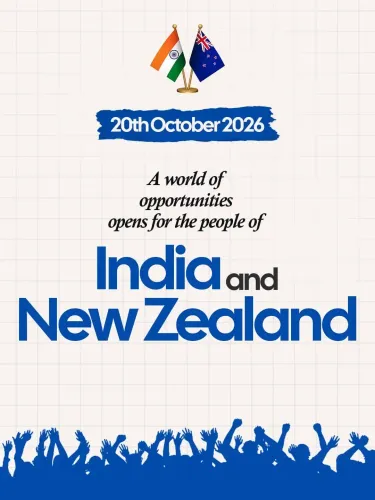
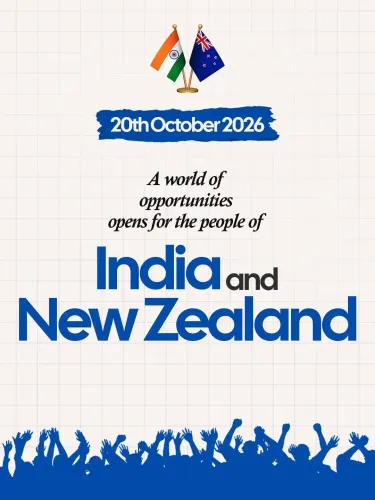
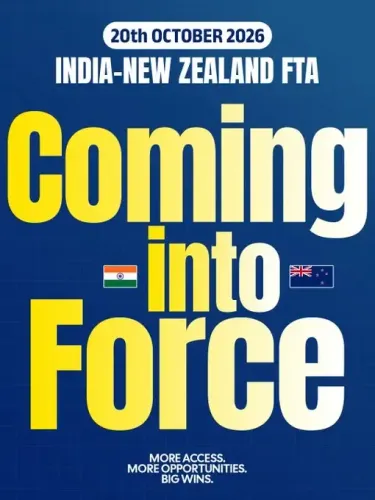
The India-New Zealand FTA came into force on 20 October 2026 , coinciding with Vijayadashami .
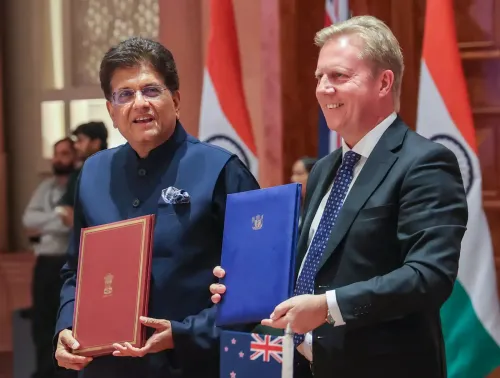
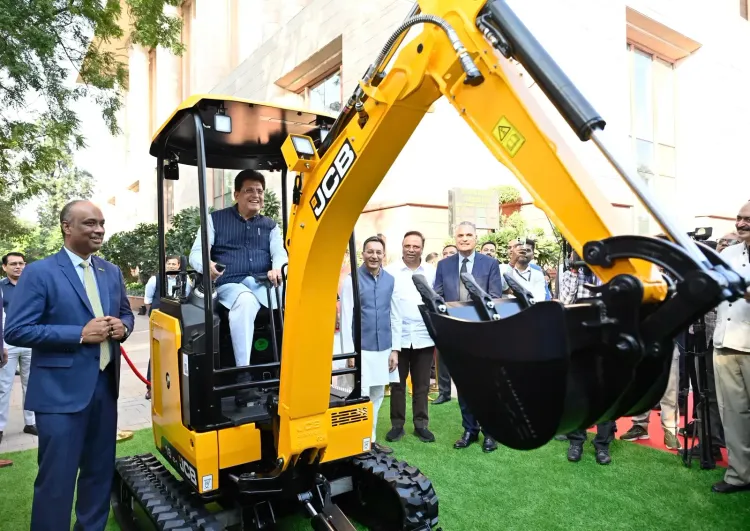
Commerce Minister Piyush Goyal flagged off the first JCB machine export to New Zealand, manufactured in Pune, Maharashtra .
The pact delivers 100% duty-free access across all 8,284 tariff lines for Indian exports, effective day one.
Bilateral trade is projected to double to $5 billion within five years, with $20 billion in long-term investment commitments from New Zealand.
Sensitive sectors including dairy remain protected; New Zealand will cooperate on improving India's dairy productivity.
MSMEs, farmers, women, youth and labour-intensive sectors are among the primary beneficiaries identified by the government.
Commerce and Industry Minister Piyush Goyal on Monday, 19 October 2026, flagged off the first-ever JCB machine export from India to New Zealand, manufactured in Pune, Maharashtra, marking a symbolic milestone as the India-New Zealand Free Trade Agreement (FTA) came into force from Tuesday, 20 October. The agreement delivers 100 per cent duty-free access for all 8,284 tariff lines covering Indian exports, making it one of the most comprehensive trade pacts India has signed in recent years.
What the FTA Unlocks for India
The pact immediately eliminates tariffs on processed foods, spices, seasonings, confectionery, bakery goods, packaged cereals, sauces, fruit juices, and processed vegetables — duties that previously stood at up to 5 per cent have dropped to zero on day one. According to the Trade Promotion Council of India (TPCI), Indian exporters — particularly in food processing, textiles, and light engineering — now hold an unparalleled competitive edge in the Oceania region.
The FTA is projected to double bilateral trade to $5 billion within five years and secure $20 billion in long-term foreign investment commitments into India. New Zealand has formally committed to facilitating that $20 billion in investment, which the government says holds significant potential for manufacturing, infrastructure, services, and innovation.
Goyal's Vijayadashami Framing
'The India New Zealand FTA is unlocking new opportunities for our manufacturing,' Goyal posted on X. Coinciding with Vijayadashami, the minister described the FTA's entry into force as a 'Vijay' — meaning victory — for both nations. The JCB machine flagged off represents the kind of labour-intensive, high-value manufactured export that the pact is designed to accelerate.
Farmers, MSMEs and Professionals in Focus
Goyal underscored that the agreement benefits a wide cross-section of Indian stakeholders. 'Our farmers will gain wider market access for fruits, vegetables, spices and other agricultural produce, alongside cooperation to improve productivity, support higher incomes, and strengthen livelihoods,' he said. The minister also noted that sensitive sectors, including dairy, remain protected, keeping farmers' welfare central to the agreement's design.
Beyond agriculture, the FTA opens new pathways for Indian professionals in New Zealand, while MSMEs, women entrepreneurs, youth, and workers in labour-intensive sectors stand to gain from expanded export opportunities. The TPCI highlighted that duty-free access could help Indian value-added agri-products integrate more deeply into Indo-Pacific supply chains.
New Zealand's Role and Dairy Cooperation
On its side, New Zealand has initiated cooperation to improve productivity in India's dairy sector — a notable development given that dairy was one of the sensitive areas ring-fenced from tariff cuts. This collaboration signals that the two nations intend to deepen ties beyond just goods trade, with knowledge and technology transfer forming a parallel track.
This is the second major trade pact India has operationalised in the Indo-Pacific region in recent years, following agreements with Australia and the UAE, reflecting a broader push by New Delhi to diversify its export markets and attract foreign investment into manufacturing. With guidelines and disbursements now live, industry bodies and exporters will be watching closely to see how quickly the projected trade doubling materialises.
Point of View
But the real test of this FTA lies in the fine print on rules of origin, investment facilitation timelines, and whether the $20 billion commitment from New Zealand translates into binding pledges or aspirational language. India's track record with FTA-driven export surges has been mixed — the ASEAN pact, for instance, widened the trade deficit rather than narrowing it. The 100% duty-free access figure is headline-worthy, but for MSMEs and agri-exporters, the bottleneck has rarely been tariffs alone; logistics, standards compliance, and market access barriers beyond duties have consistently proved harder to crack. The dairy protection carve-out is politically necessary but economically limiting — it signals that domestic lobbies still shape the ceiling of ambition even in otherwise comprehensive deals.
NationPress
19 Oct 2026
Frequently Asked Questions
What is the India-New Zealand Free Trade Agreement?
The India-New Zealand FTA is a bilateral trade pact that came into force on 20 October 2026, granting 100% duty-free access across all 8,284 tariff lines for Indian exports to New Zealand. It aims to double bilateral trade to $5 billion within five years and attract $20 billion in New Zealand investment into India.
What does the FTA mean for Indian farmers and MSMEs?
Indian farmers gain wider market access for fruits, vegetables, spices, and agricultural produce, while MSMEs in food processing, textiles, and light engineering benefit from immediate zero-duty entry into the New Zealand market. Sensitive sectors such as dairy remain protected under the agreement.
Why was a JCB machine from Pune chosen to mark the FTA launch?
Commerce Minister Piyush Goyal flagged off the first-ever JCB machine export from Pune, Maharashtra, to New Zealand as a symbolic representation of 'Made in India' manufacturing benefiting from the new trade pact. The JCB machine exemplifies the labour-intensive, high-value goods the FTA is designed to boost.
Which Indian export sectors gain the most from the India-New Zealand FTA?
According to the Trade Promotion Council of India, food processing, textiles, and light engineering stand to gain the most, with tariffs on processed foods, spices, confectionery, fruit juices, and packaged cereals dropping to zero on day one. Indian value-added agri-products are also positioned to integrate into Indo-Pacific supply chains.
How does New Zealand benefit from the FTA with India?
New Zealand gains improved access to India's large consumer market and has committed to facilitating $20 billion in investment into India. New Zealand will also cooperate with India on dairy sector productivity, even though dairy tariffs on the Indian side remain protected under the agreement.