Kishan Reddy hails return of 3 sacred idols from Australia
Synopsis
Union Minister G. Kishan Reddy on 9 July 2026 announced the repatriation of three sacred artefacts — a Metal Trident of Goddess Bhadrakali, a Stone Idol of Nandi, and a Stone Idol of Six-Headed Kartikeya — from Australia, marking a fresh milestone in India's ongoing cultural heritage recovery drive.
Key Takeaways
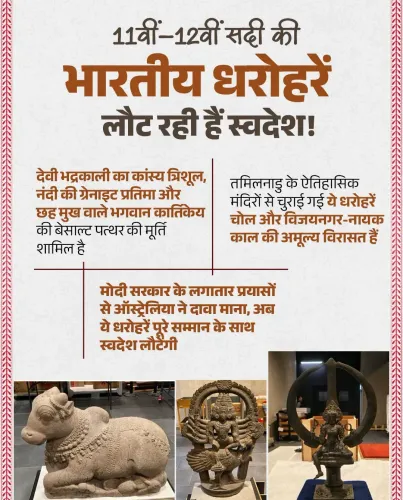
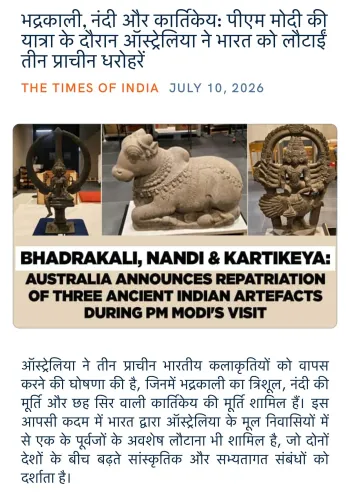
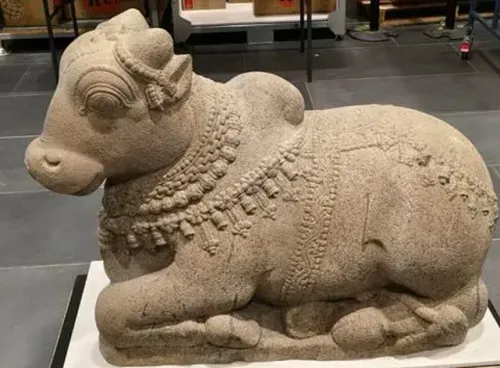
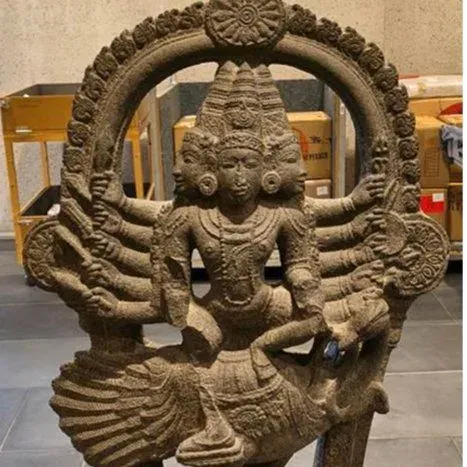
Three artefacts repatriated: A Metal Trident bearing the image of Goddess Bhadrakali, a Stone Idol of Nandi, and a Stone Idol of Six-Headed Kartikeya (Shanmukha) have been returned from Australia to India.
Ministerial acknowledgement: Union Coal and Mines Minister G.
Kishan Reddy announced the development on 9 July 2026 , calling it 'a proud homecoming for India's sacred heritage.' PM Modi credited: The minister attributed the repatriation to the leadership of Prime Minister Narendra Modi and bilateral cooperation with Australia.
Established policy framework: India has been expanding bilateral cultural property agreements since 2014 , with the Archaeological Survey of India running dedicated repatriation cells.
Regional significance: Goddess Bhadrakali holds deep cultural importance in Telangana , adding local resonance to the announcement.
More returns expected: Further repatriation announcements from other partner countries and new MoUs on cultural property protection are anticipated.
Union Coal and Mines Minister G. Kishan Reddy on Thursday, 9 July 2026, welcomed the repatriation of three ancient religious artefacts from Australia to India, calling it a significant milestone in safeguarding the country's cultural legacy. The returned objects include a Metal Trident bearing the image of Goddess Bhadrakali, a Stone Idol of Nandi, and a Stone Idol of the Six-Headed Kartikeya (Shanmukha).
Context
In his post on X, Kishan Reddy described the development as 'a proud homecoming for India's sacred heritage,' crediting the return to the 'visionary leadership' of Prime Minister Narendra Modi and the cooperation of trusted international partners. The minister, who also serves as BJP Telangana state president, shared three images alongside the announcement, underscoring the cultural and religious significance of the recovered objects.
The three artefacts span distinct iconographic traditions: the trident associated with Goddess Bhadrakali, a form venerated widely in South India; Nandi, the sacred bull and vehicle of Lord Shiva; and Shanmukha, the six-faced war deity known as Kartikeya or Murugan, particularly revered in Tamil and Telugu religious traditions.
Policy Backdrop
India has pursued the recovery of antiquities removed during colonial periods or through illicit trade using both legal instruments and diplomatic channels. Since 2014, the government expanded bilateral agreements on the return of cultural property, resulting in multiple consignments arriving from the United States, several European nations, and now Australia.
The Archaeological Survey of India and the Ministry of Culture operate dedicated repatriation cells that coordinate with foreign governments and museums to identify, document, and facilitate the return of displaced heritage objects. Australia has cooperated on such returns through both museum-to-museum transfers and government-to-government channels, making it one of India's active partners in cultural diplomacy.
Stakeholders and Impact
Heritage bodies, temple authorities, and religious communities — particularly those with devotional ties to the three deities represented — stand to benefit from the repatriation. For the broader public, the return of sacred objects carries both spiritual and national significance, reinforcing India's argument that antiquities of religious importance belong in their country of origin.
The announcement also carries political resonance in Telangana, where Goddess Bhadrakali holds deep cultural roots, with the famous Bhadrakali Temple in Warangal being one of the most prominent shrines dedicated to the deity. Kishan Reddy's highlighting of this particular artefact will likely resonate with constituents in the state.
What's Next
Observers and heritage advocates will watch for further announcements on pending repatriations from other partner countries. Any new Memoranda of Understanding on cultural property protection during upcoming bilateral diplomatic meetings could accelerate the pace of returns. The government is expected to continue using high-profile repatriation events as a visible marker of its cultural diplomacy agenda in the months ahead.
Point of View
Using high-visibility returns to reinforce a narrative of civilisational restoration. By making the announcement himself, Kishan Reddy — a minister whose portfolio is coal, not culture — signals that repatriation has become a cross-portfolio political asset for the BJP, particularly in states like Telangana where the recovered deities carry strong devotional currency. The choice to foreground Goddess Bhadrakali is unlikely to be accidental given the minister's role as BJP Telangana president ahead of any future electoral cycle. Broader diplomatic observers will note that Australia's continued cooperation on heritage returns reflects maturing bilateral ties that extend well beyond trade and defence.
NationPress
8 Oct 2026
Frequently Asked Questions
Which idols were returned from Australia to India in July 2026?
Three artefacts were returned: a Metal Trident bearing the image of Goddess Bhadrakali, a Stone Idol of Nandi, and a Stone Idol of the Six-Headed Kartikeya (Shanmukha).
Who announced the repatriation of Indian idols from Australia?
Union Coal and Mines Minister G. Kishan Reddy announced the repatriation on 9 July 2026 via a post on X, crediting Prime Minister Narendra Modi's leadership.
How does India get its stolen or lost artefacts back from other countries?
India uses bilateral cultural property agreements, diplomatic channels, and dedicated repatriation cells within the Archaeological Survey of India and the Ministry of Culture to identify and recover displaced heritage objects.
What is India's repatriation policy for cultural artefacts?
Since 2014, India has expanded bilateral agreements with multiple countries and established dedicated government cells to coordinate the return of antiquities removed during colonial periods or through illicit trade.
Why is Goddess Bhadrakali significant in Telangana?
Goddess Bhadrakali is deeply venerated in Telangana, with the historic Bhadrakali Temple in Warangal being one of the most prominent shrines dedicated to her, making the recovery of the related artefact especially significant for the region.