Rijiju: India-Slovakia Sign Defence Letter of Intent
Synopsis
Prime Minister Narendra Modi signed a Letter of Intent with Slovakia on defence cooperation during his state visit, pledging joint development and co-production between the two nations' defence industries — a move that advances India's Atmanirbhar Bharat push and diversifies its European strategic partnerships.
Key Takeaways
PM Modi signed a Letter of Intent with Slovakia on 15 June 2026 to advance bilateral defence cooperation.
The LOI covers joint development , joint production and cooperation between defence industries of both countries.
PM Modi described the agreement as proof of 'deep mutual trust and strategic convergence' between India and Slovakia.
The pact aligns with India's Atmanirbhar Bharat framework, which prioritises co-production over traditional arms procurement.
Slovakia is a NATO and EU member , making this LOI part of India's broader European defence diversification strategy.
Implementation details and follow-on agreements are expected to be announced in subsequent diplomatic engagements.
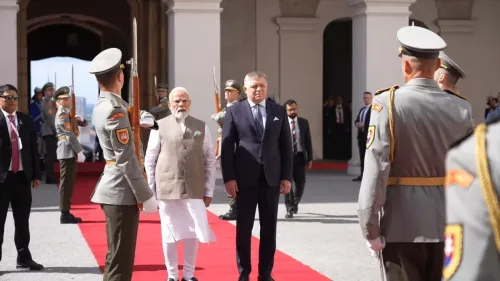
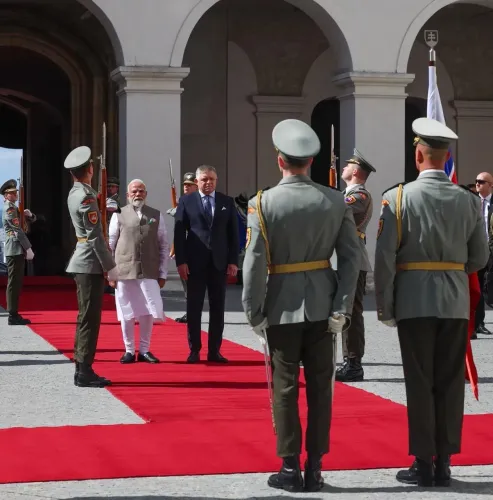
Union Parliamentary Affairs Minister Kiren Rijiju on Monday, 15 June 2026, shared remarks by Prime Minister Narendra Modi highlighting the signing of a Letter of Intent (LOI) between India and Slovakia on defence cooperation, marking a significant step in bilateral strategic ties during PM Modi's visit to the Central European nation.
Context
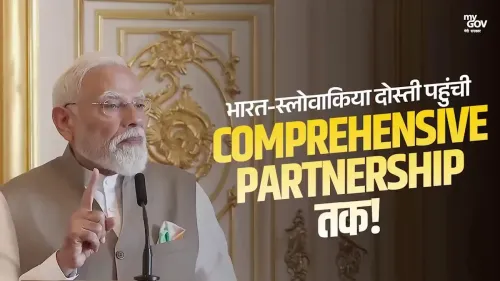
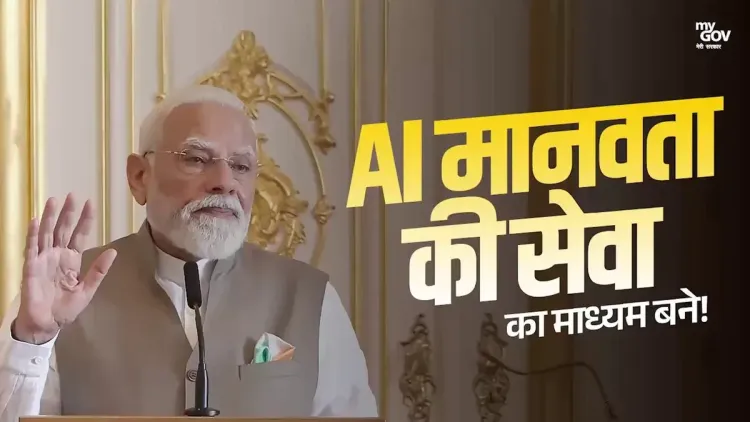
Quoting PM Modi, Rijiju posted: 'Raksha sahyog hamare gehre aapsi vishwas aur strategic convergence ka praman hai' — 'Defence cooperation is proof of our deep mutual trust and strategic convergence.' The Prime Minister added that the LOI signed on the occasion would give 'new momentum to joint development, joint production and cooperation between defence industries.'
The signing took place during PM Modi's visit to Slovakia, underscored by the hashtag #PMModiInSlovakia that accompanied the post. Slovakia is a member of both NATO and the European Union, and India has maintained diplomatic relations with the country while exploring avenues for industrial and strategic collaboration.
Policy Backdrop
The LOI fits squarely within India's Atmanirbhar Bharat (Self-Reliant India) framework, launched in 2020, which explicitly prioritised joint development, joint production and technology partnerships with friendly nations in the defence sector. The emphasis on co-production rather than a traditional buyer-seller relationship reflects a deliberate shift in India's defence procurement philosophy.
India has over the past several years pursued similar cooperation frameworks with multiple European countries as part of a broader strategy to diversify its defence supply chains, promote indigenous manufacturing and reduce import dependence. PM Modi's overseas visits have frequently served as platforms for announcing such defence-related understandings, embedding bilateral defence ties within a wider strategic convergence.
Stakeholders and Impact
The agreement is expected to benefit defence industries on both sides by creating structured pathways for technology sharing and co-production. For India, such partnerships support domestic defence manufacturers — both public sector undertakings and private players — who are central to the government's push to raise defence exports and reduce import bills.
The Indian Armed Forces stand to gain from access to technologies and platforms developed through collaborative frameworks, while Slovak defence firms gain entry into one of the world's largest and fastest-growing defence markets. The LOI is a non-binding instrument that typically precedes more formal inter-governmental agreements or contracts.
What's Next
Attention will now turn to the implementation roadmap that flows from the LOI — including the identification of specific joint projects, technology domains and timelines for co-production arrangements. Follow-on agreements or joint project announcements are anticipated as the two sides translate intent into concrete programmes.
The development is also likely to find mention in upcoming parliamentary sessions, where the government has been under pressure to demonstrate tangible outcomes from its defence diplomacy. The India-Slovakia LOI adds another data point to New Delhi's expanding web of European defence partnerships, reinforcing its strategic autonomy agenda.
Point of View
Converting diplomatic goodwill into structured industrial commitments. For Slovakia, the agreement offers a foothold in a defence market that is both vast and increasingly self-reliant, making early partnerships strategically valuable. The LOI's true significance will, however, be measured by the speed and substance of the joint projects that follow.
NationPress
15 Sept 2026
Frequently Asked Questions
What did India and Slovakia sign during PM Modi's visit in June 2026?
India and Slovakia signed a Letter of Intent (LOI) on defence cooperation, covering joint development, joint production and collaboration between the defence industries of both countries.
What is a Letter of Intent in the context of defence agreements?
A Letter of Intent is a non-binding document that signals both parties' intention to work together on specific areas — in this case, defence co-production — and typically precedes formal inter-governmental agreements or contracts.
How does the India-Slovakia defence LOI relate to Atmanirbhar Bharat?
The LOI directly supports the Atmanirbhar Bharat initiative launched in 2020, which prioritises joint development and co-production with friendly nations over conventional arms imports, boosting India's domestic defence manufacturing base.
Why is Slovakia significant for India's defence cooperation?
Slovakia is a NATO and EU member in Central Europe, giving India access to advanced defence technologies and industrial networks while helping New Delhi diversify its defence supply chains beyond traditional partners.
What happens after a defence Letter of Intent is signed between two countries?
After an LOI is signed, both sides typically work out an implementation roadmap, identify specific joint projects and technology domains, and negotiate formal agreements or contracts to translate the stated intent into concrete programmes.