DRDO tests 'Pralay' missile off Odisha coast in user evaluation trials
Synopsis
India's DRDO has cleared the 'Pralay' missile through user evaluation trials — the last major hurdle before induction. With Defence Minister Rajnath Singh confirming the 5 November test off Odisha met every objective, the indigenous surface-to-surface missile is now a formal step closer to joining the armed forces' active arsenal.
Key Takeaways
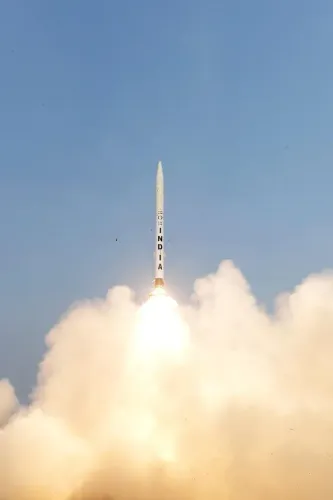
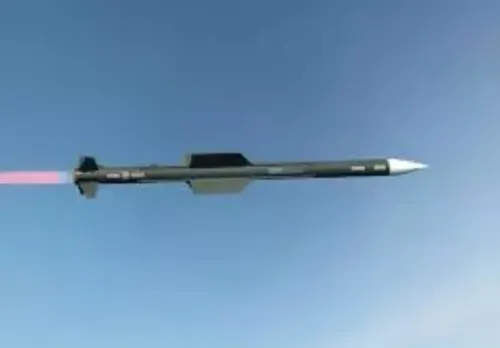
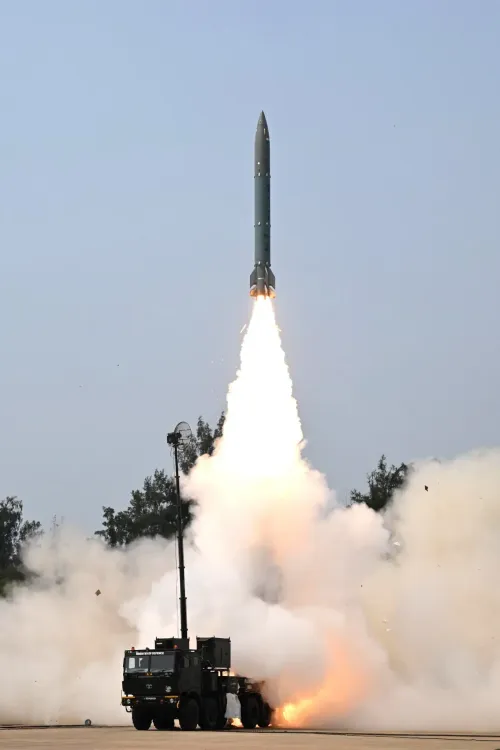
DRDO conducted a successful flight test of the indigenous Pralay surface-to-surface missile off the coast of Odisha on 5 November 2026 .
The test was part of user evaluation trials and met all stipulated objectives, validated by range instruments.
Defence Minister Rajnath Singh confirmed the test was conducted at 1110 hrs IST via a post on X.
Last month, DRDO also successfully tested its High-Altitude Platform System (HAPS) , which sustained flight at 20 km AMSL for over 30 minutes .
Successful user evaluation typically precedes formal induction recommendations to the Ministry of Defence .
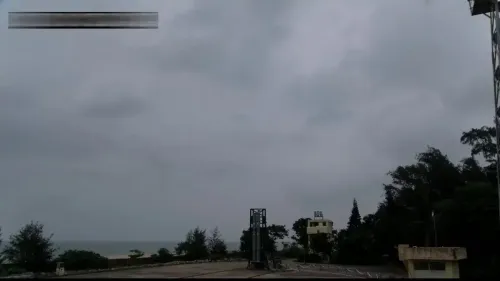
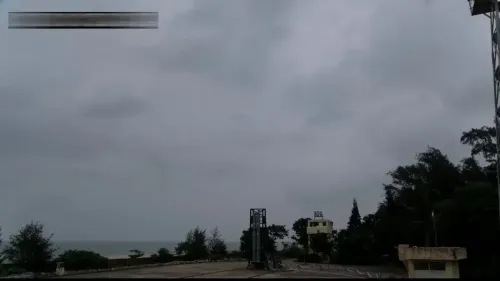
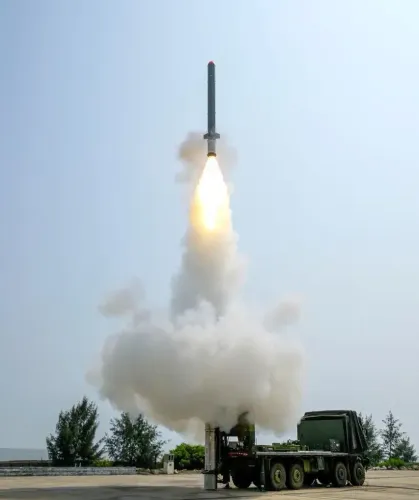
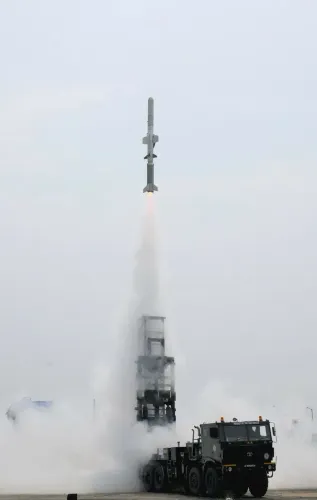
The Defence Research and Development Organisation (DRDO) on 5 November 2026 successfully conducted a flight test of the indigenously developed surface-to-surface 'Pralay' missile off the coast of Odisha, marking a fresh milestone in India's self-reliant defence programme. The test was carried out as part of user evaluation trials and met all stipulated objectives, according to the government.
What Defence Minister Rajnath Singh Said
Defence Minister Rajnath Singh announced the development on Thursday, stating that the trial was conducted at 1110 hrs IST. 'DRDO successfully conducted the flight test of the indigenously developed Pralay Missile off the coast of Odisha today at 1110 hrs,' Singh said in a post on social media platform X. He added that 'the test was conducted as part of user evaluation trials and successfully met all the stipulated objectives, as validated by data captured through various range instruments.' Singh described the outcome as 'another significant milestone in strengthening India's indigenous defence capabilities.'
Key Details of the Trial
The Pralay missile is a surface-to-surface ballistic missile developed indigenously under the DRDO's defence modernisation push. The flight test off Odisha's coast — a proven launch corridor for India's missile programme — was validated through data captured by multiple range instruments deployed during the trial. Performance data confirmed all pre-defined trial parameters were met, officials indicated.
DRDO's Recent Momentum in Indigenous Defence
This test follows another significant DRDO achievement last month, when the organisation successfully conducted the flight trial of its indigenously developed High-Altitude Platform System (HAPS). That platform reached an altitude of 21 km above mean sea level (AMSL) and sustained stratospheric flight at approximately 20 km AMSL for more than 30 minutes before being safely recovered. The HAPS trial was conducted in coordination with the Indian Air Force, the Centre for Military Airworthiness and Certification (CEMILAC), the Directorate General of Civil Aviation (DGCA), and the Airports Authority of India (AAI), among other agencies. During that flight, real-time video and vehicle performance data were transmitted continuously to a ground control station, demonstrating persistent surveillance and communications potential.
Why It Matters for India's Defence Posture
The Pralay missile's user evaluation phase signals that the system is moving closer to induction into the armed forces, shifting from development to operational readiness. Notably, India has been accelerating its indigenisation drive under the Atmanirbhar Bharat framework, with the defence sector earmarked as a priority. The Pralay programme is part of a broader family of indigenously developed tactical missiles designed to give the Indian military a credible short-range, surface-to-surface strike capability without dependence on foreign suppliers. The back-to-back successes — Pralay and HAPS within weeks of each other — underscore a consistent tempo of DRDO trials that analysts say reflects improved programme management and testing infrastructure along India's eastern seaboard.
What Comes Next
With user evaluation trials now successfully completed, the next step would typically involve a formal induction recommendation to the Ministry of Defence, followed by procurement and eventual deployment. The defence establishment is expected to release further details on the programme's production roadmap in coming weeks.
Point of View
DRDO appears to be running a deliberate sequenced communications strategy — steady drumbeat of successes rather than episodic announcements. What remains unaddressed publicly is the production timeline and unit cost, which will ultimately determine whether Pralay shifts India's tactical strike calculus or stays a showcase asset.
NationPress
5 Nov 2026
Frequently Asked Questions
What is the Pralay missile?
The Pralay is an indigenously developed surface-to-surface ballistic missile built by India's Defence Research and Development Organisation (DRDO). It is designed to provide the Indian military with a short-range tactical strike capability without reliance on foreign suppliers.
What happened in the 5 November 2026 Pralay missile test?
DRDO conducted a flight test of the Pralay missile off the coast of Odisha at 1110 hrs IST on 5 November 2026 as part of user evaluation trials. Defence Minister Rajnath Singh confirmed the test successfully met all stipulated objectives, validated by multiple range instruments.
What is the significance of a 'user evaluation trial'?
User evaluation trials are conducted to allow the armed forces to assess whether a weapon system meets operational requirements before formal induction. Successfully completing this phase means the Pralay missile is now a step closer to being formally inducted into service.
What other system did DRDO test recently?
Last month, DRDO successfully tested its High-Altitude Platform System (HAPS), which reached an altitude of 21 km AMSL and sustained stratospheric flight at around 20 km for more than 30 minutes before being safely recovered. The system is designed for persistent surveillance and communications missions.
What are the next steps for the Pralay missile programme?
Following a successful user evaluation trial, the standard process involves DRDO submitting a formal induction recommendation to the Ministry of Defence, after which procurement and production planning begin. Officials are expected to announce the production roadmap in the coming weeks.