Three Maoists including ₹10 lakh bounty zonal commander surrender in Jharkhand
Synopsis
A zonal commander with a ₹10 lakh bounty and two women cadres have surrendered to police in Jharkhand's Kolhan region — the latest sign that sustained security operations and the state's rehabilitation policy are cracking the CPI (Maoist)'s regional command structure in West Singhbhum.
Key Takeaways
Saluka Kayam alias Dangil, a CPI (Maoist) zonal commander with a ₹10 lakh bounty, surrendered in West Singhbhum, Jharkhand on 7 August .
Two women cadres — Kodo Muni Koda alias Padmini (₹1 lakh bounty) and Pinki — surrendered alongside him.
Saluka was associated with the South Zone Central Committee of CPI (Maoist) and was a key figure in the Kolhan belt .
Joint teams of state police and Central Armed Police Forces have been conducting sustained combing operations in the region.
Jharkhand's rehabilitation and surrender policy is credited as a contributing factor in encouraging cadres to lay down arms.
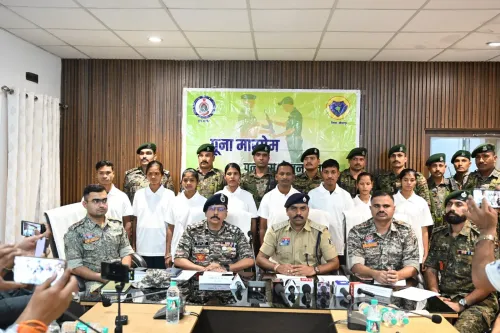
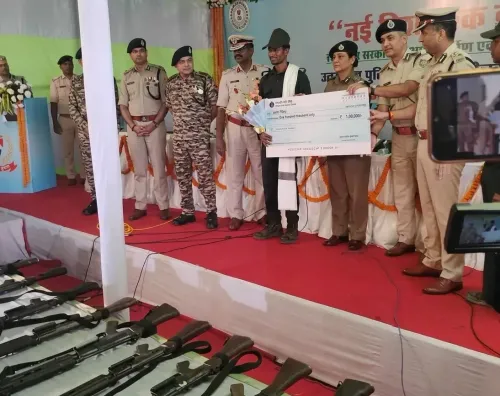
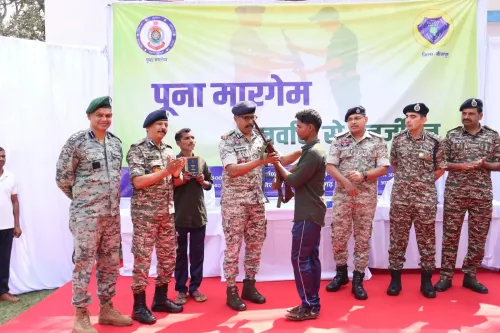
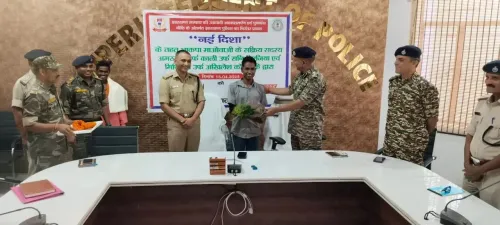
Three members of the banned CPI (Maoist), including a zonal commander carrying a bounty of ₹10 lakh, surrendered before police in West Singhbhum district of Jharkhand on 7 August, officials confirmed. The development marks another significant blow to the insurgent outfit's presence in the Kolhan region.
Who Surrendered
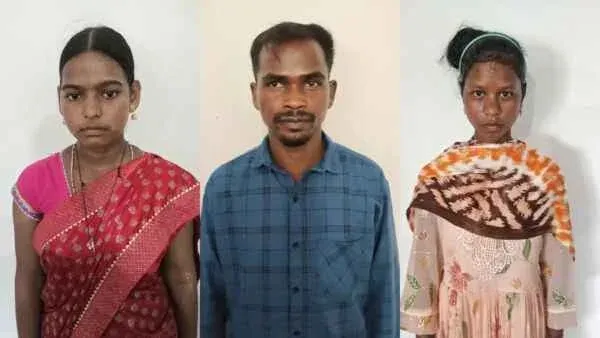
The Jharkhand State Police Headquarters identified the surrendered zonal commander as Saluka Kayam, also known by aliases including Dangil, Maru, and Bhuvneshwar. He was associated with the South Zone Central Committee of the CPI (Maoist) and had long been on the police's wanted list. A resident of Kudaburu Kayamsai village in the Sonua police station area, Saluka was considered one of the most prominent Maoist leaders operating in the Kolhan belt.
Accompanying him were two women cadres — Kodo Muni Koda alias Padmini, who carried a reward of ₹1 lakh on her head, and Pinki. Padmini hails from Rengra Tola in Banglasai under the Tonto police station area, while Pinki is a resident of Ichagora village under the Goilkera police station limits.
Role in Maoist Network
According to police records, Saluka Kayam is believed to have played a key role in sustaining Maoist activities across the Kolhan belt. His position within the South Zone Central Committee placed him among the upper tier of the outfit's regional command structure. Authorities say his surrender significantly weakens the organisation's operational capacity in the area.
Intensified Security Operations
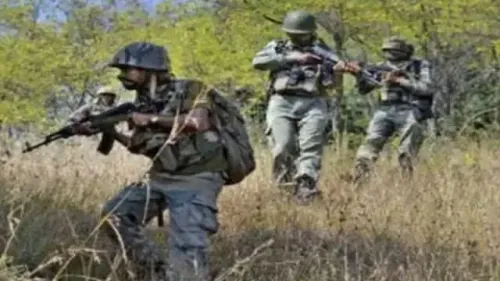
The surrenders come amid a sustained anti-Maoist drive across the dense forests of Kolhan. Joint teams comprising state police and Central Armed Police Forces (CAPF) have been conducting search and combing operations aimed at dismantling Maoist strongholds. According to officials, continuous security pressure has made it increasingly difficult for cadres to maintain safe hideouts and conduct activities in forested terrain.
Rehabilitation Policy at Work
Authorities attribute the latest surrenders, in part, to Jharkhand's state rehabilitation and surrender policy, which offers Maoist cadres a pathway back into mainstream society. Under the policy, those who surrender are entitled to rehabilitation benefits and government assistance to support their reintegration. Officials say the policy has been a consistent factor in encouraging cadres to lay down arms, particularly as operational space for the outfit continues to shrink.
The Kolhan region has seen a steady erosion of Maoist influence over recent months, and this latest surrender is expected to further disrupt the outfit's command chain in West Singhbhum.
Point of View
Which is harder to replace than foot soldiers. What is notable is the combination of coercive pressure and policy pull: security operations alone rarely produce this outcome. Jharkhand's rehabilitation framework appears to be doing real work, yet the state has rarely publicised outcome data on how many surrendered cadres actually reintegrate sustainably. That accountability gap matters as much as the headline surrender count.
NationPress
22 Sept 2026
Frequently Asked Questions
Who is Saluka Kayam and why is his surrender significant?
Saluka Kayam, also known as Dangil, is a CPI (Maoist) zonal commander associated with the outfit's South Zone Central Committee, who carried a police bounty of ₹10 lakh. His surrender on 7 August in West Singhbhum is significant because he was considered one of the most prominent Maoist leaders sustaining insurgent activities across the Kolhan region of Jharkhand.
Who else surrendered alongside the Maoist zonal commander?
Two women cadres surrendered with Saluka Kayam — Kodo Muni Koda alias Padmini, who had a ₹1 lakh reward on her head, and Pinki. Padmini is from Rengra Tola in Banglasai, and Pinki is from Ichagora village in the Goilkera police station area.
What is Jharkhand's Maoist surrender and rehabilitation policy?
Jharkhand's rehabilitation and surrender policy offers CPI (Maoist) cadres who voluntarily surrender a structured package of government benefits and assistance to support their reintegration into mainstream society. Authorities say the policy has been a consistent factor in encouraging surrenders, particularly as security operations reduce operational space for the outfit.
What anti-Maoist operations are underway in the Kolhan region?
Joint teams of the Jharkhand state police and Central Armed Police Forces have been conducting sustained search and combing operations across the dense forests of Kolhan to dismantle Maoist strongholds. Officials say continuous pressure has made it increasingly difficult for cadres to maintain safe hideouts or carry out activities in the area.
What impact does this surrender have on CPI (Maoist) in Jharkhand?
The surrender of a zonal commander and two cadres is described by officials as another significant setback for CPI (Maoist) in the Kolhan region. With Saluka Kayam's departure, the outfit loses a key figure from its South Zone Central Committee, further weakening its command chain in West Singhbhum.