India's first indigenous H5N1 bird flu vaccine launched in Bhopal at ₹1–2 per dose
Synopsis
India has developed what is claimed to be the world's first vaccine against the H5N1 variant of bird flu — priced at just ₹1–2 a dose so even marginal poultry farmers can access it. With over 500 outbreaks since 2006 and annual livestock disease losses estimated at ₹56,000 crore, the breakthrough from NIHSAD scientists in Bhopal could be a turning point for India's battered poultry sector.
Key Takeaways
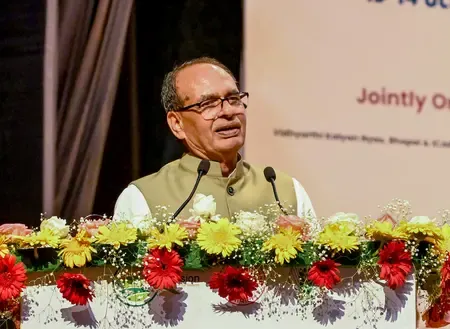
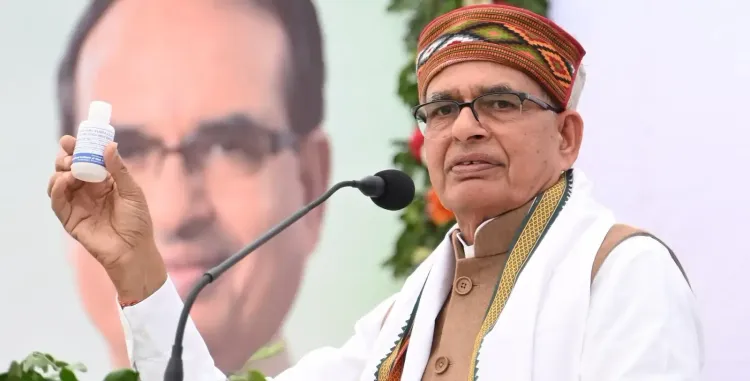
Union Agriculture Minister Shivraj Singh Chouhan launched India's first indigenous H5N1 bird flu vaccine in Bhopal on 20 November 2026 .
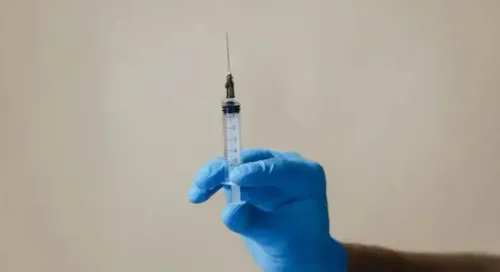
The vaccine was developed by scientists at NIHSAD under ICAR and is claimed to be the world's first against this H5N1 variant.
Each dose will cost between ₹1 and ₹2 , making it accessible to small and marginal poultry farmers.
India has recorded more than 500 bird flu outbreaks since 2006; approximately two lakh chickens have died in outbreaks this year alone.
A new laboratory will be established in Bhopal at a cost of ₹300 crore .
Annual losses from animal diseases in India are estimated at ₹56,000 crore , with foot-and-mouth disease accounting for ₹22,000 crore .
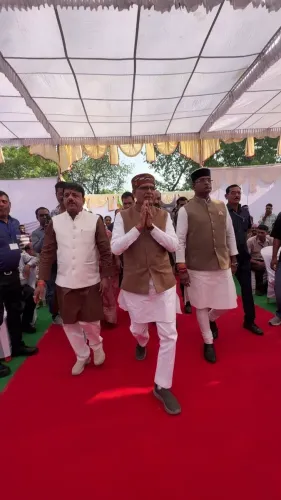
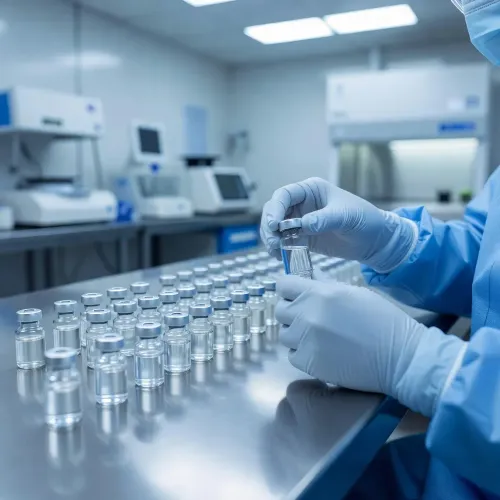
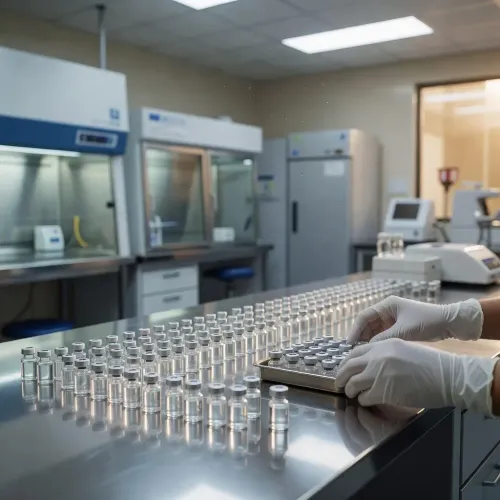
Union Agriculture Minister Shivraj Singh Chouhan on 20 November 2026 launched India's first indigenous vaccine against H5N1 bird flu in Bhopal, marking a significant milestone in the country's animal disease management programme. The vaccine was developed by scientists at the National Institute of High Security Animal Diseases (NIHSAD), which functions under the Indian Council of Agricultural Research (ICAR).
A World First, at ₹1–2 a Dose
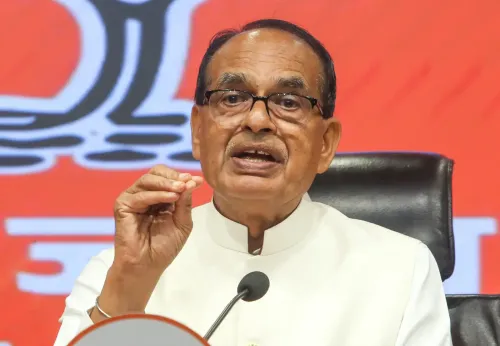
Chouhan described the vaccine as the world's first against this particular variant of H5N1 bird flu, adding that its pricing — between ₹1 and ₹2 per dose — has been deliberately kept within reach of small and marginal poultry farmers. 'The vaccine will cost only Rs 1 to Rs 2 per dose, so that even small poultry farmers can afford it. Animals are moving ATMs for farmers, providing them with a regular source of income,' the Minister said while formally dedicating the vaccine to the nation.
Chouhan also revealed that he chose Bhopal over New Delhi as the launch venue specifically so the scientists who developed the vaccine could be present at the event — an acknowledgement of the team's months of continuous work under stringent biosafety protocols.
Scale of Bird Flu Devastation in India
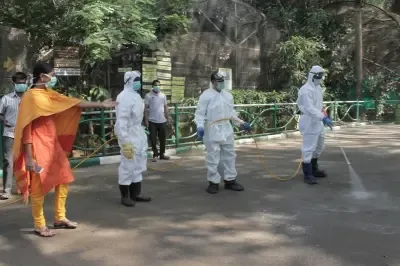
India has recorded more than 500 bird flu outbreaks since the first was detected in Navapur, Maharashtra in 2006, during which around 10 lakh chickens died and several more were culled. Subsequent outbreaks have continued to inflict heavy losses: approximately nine lakh chickens perished during a 2021 outbreak, while two lakh more died in the current year, according to the Minister. Beyond the immediate toll on birds, Chouhan cautioned that recurring H5N1 outbreaks also carry a potential risk of transmission to mammals and humans.
Broader Cost of Animal Diseases to India
Chouhan placed the H5N1 vaccine launch within a wider context of livestock disease burden, citing estimated annual losses of roughly ₹56,000 crore across animal illnesses. This includes ₹22,000 crore attributed to foot-and-mouth disease, ₹20,000 crore from lumpy skin disease, ₹9,212 crore from brucellosis, and ₹4,683 crore from Peste des Petits Ruminants (PPR). The Minister noted that indigenous vaccines have already been developed against lumpy skin disease, classical swine fever, and African swine fever, with the H5N1 vaccine adding to this growing portfolio.
Under the National Animal Disease Control Programme, launched by Prime Minister Narendra Modi from Mathura, a total of 147.16 crore free doses have been administered against foot-and-mouth disease to date.
New ₹300 Crore Laboratory Announced for Bhopal
In a parallel announcement, Chouhan said a new state-of-the-art laboratory would be established in Bhopal at a cost of ₹300 crore, signalling a continued federal investment in the city as a hub for high-security animal disease research.
Scientists Behind the Breakthrough
Eight scientists were formally acknowledged at the event for their contributions to the research, including Dr S. Nagarajan, Dr Manoj Kumar, and Dr Aniket Sanyal. Chouhan praised the team for working through weekends over several months and adhering to the strictest laboratory biosafety standards. 'Our scientists have once again demonstrated India's scientific capabilities. Those who go abroad and question the country's institutions and scientists should see the achievements of today's self-reliant India,' he said.
With the vaccine now formally launched, the focus will shift to production scale-up, regulatory clearances for commercial deployment, and integration into existing poultry disease control frameworks — steps that will determine how quickly small farmers see relief from H5N1-related losses.
Point of View
As they have for other animal vaccines. The claim that this is the 'world's first' vaccine against this particular H5N1 variant warrants independent scientific corroboration before it enters international discourse. And with ₹300 crore committed to a new Bhopal laboratory, the Centre is doubling down on NIHSAD as a biosafety anchor — a sensible bet given the institute's track record, but one that should be matched with transparent outcome metrics on vaccine coverage and outbreak reduction rates.
NationPress
20 Nov 2026
Frequently Asked Questions
What is India's indigenous H5N1 bird flu vaccine?
It is the country's first domestically developed vaccine against the H5N1 strain of avian influenza, created by scientists at the National Institute of High Security Animal Diseases (NIHSAD) under ICAR in Bhopal. It was formally launched by Union Agriculture Minister Shivraj Singh Chouhan on 20 November 2026 and is claimed to be the world's first vaccine against this particular H5N1 variant.
How much will the H5N1 bird flu vaccine cost?
Each dose is priced between ₹1 and ₹2, according to Chouhan. The low price point is intended to make the vaccine accessible to small and marginal poultry farmers across India.
Why is the H5N1 bird flu vaccine significant for India?
India has experienced more than 500 bird flu outbreaks since 2006, causing the death or culling of millions of chickens and substantial financial losses to the poultry industry. The vaccine is expected to help contain future outbreaks and reduce the risk of the virus spreading to mammals and humans.
Who developed the H5N1 vaccine and which scientists were recognised?
The vaccine was developed by a team of eight scientists at NIHSAD-ICAR in Bhopal. Among those formally acknowledged were Dr S. Nagarajan, Dr Manoj Kumar, and Dr Aniket Sanyal, who reportedly worked without weekend breaks for months under strict biosafety protocols.
What else was announced at the H5N1 vaccine launch event?
Chouhan announced the construction of a new state-of-the-art laboratory in Bhopal at a cost of ₹300 crore. He also highlighted that indigenous vaccines have been developed against lumpy skin disease, classical swine fever, and African swine fever, and that 147.16 crore free doses have been administered against foot-and-mouth disease under the National Animal Disease Control Programme.